Portuguese
  Spanish



The New Mega Plant for Sustainable Fuel Generation Was a Petrobras Refinery and Has Now Been Acquired by Acelen
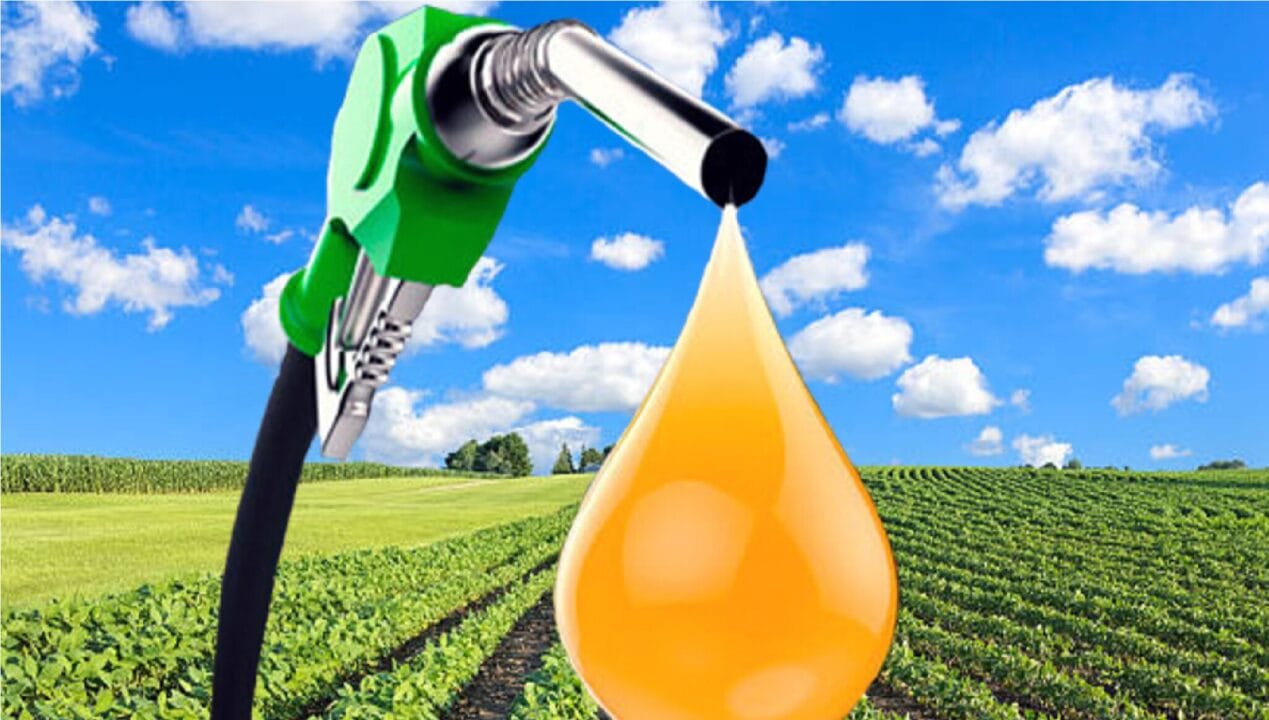
Acelen, a company controlled by the Arab fund Mubadala Capital, is ready to invest at least R$ 12 billion in an initiative to transform a plant in Brazil into a production center for sustainable fuel. The company acquired the Mataripe Refinery from Petrobras, located in Camaçari (BA), and now has grand plans for its investments in the country, according to Gizmodo.
Acelen’s Ambitious Plans for Sustainable Fuel in Brazil
Acelen plans to use the fruit of the native Brazilian palm Macaúba to produce 1 billion liters of green diesel and sustainable aviation fuel per year. The company is finalizing investment details and expects to close the deal in the first half of next year.
The company aims to build a sustainable fuel biorefinery in the same area where the Mataripe refinery is located in Brazil. Additionally, the plan includes planting the palm tree on 200,000 hectares of degraded areas in Bahia and northern Minas Gerais.
-
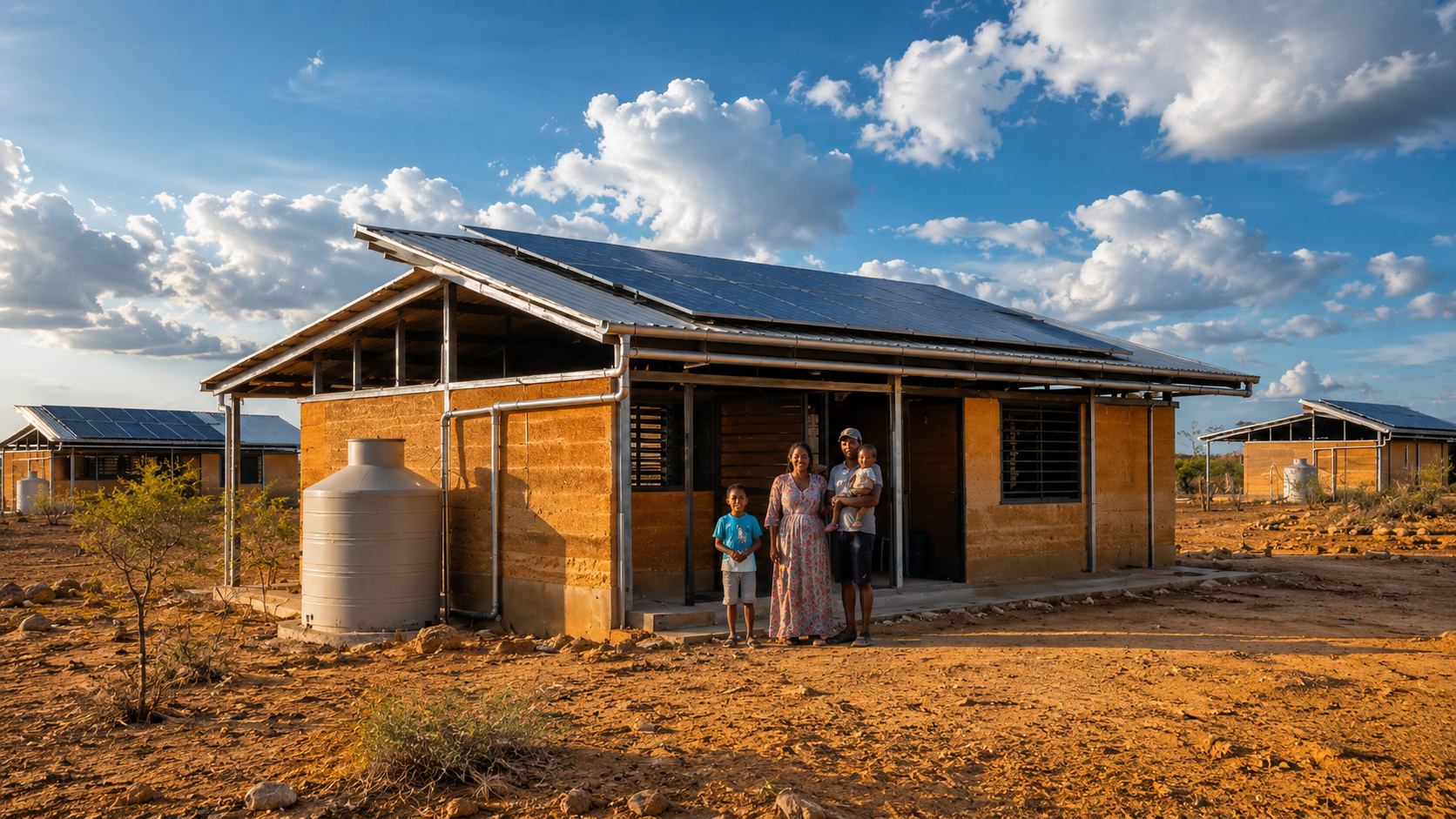
In Colombia’s desert, 30 families receive 80 m² homes with solar panels, waterless toilets, and rainwater collection systems amid water and energy shortages.

-
H2A to Invest $570 Million in 22 Biomethane Plants in Brazil, Converting Agricultural Waste into 700 Tons of Renewable Fuel Daily
-
Engie Secures 10-Year Use of 625 MWh in Batteries to Store Excess Solar and Wind Energy in Spain by 2028
-
Giant Batteries Take Center Stage in Chile Auction as Company Offers 960 GWh of Solar Energy for Nighttime Use, Aiming to Stabilize Solar Power Supply



Macaúba’s Potential for Sustainable Fuel Production
The macaúba is a native Brazilian palm tree with great potential but still little explored commercially. It could be crucial for Brazil to increase its production of biodiesel and sustainable fuel without the need to open new areas or compete with crops intended for food, such as soy.
With an oil yield five times greater than other crops, macaúba has the potential to significantly contribute to the recovery of pastures and degraded areas. Furthermore, the palm tree could be a viable alternative to increase profitability in livestock farms in the country.
Reduction of Fossil Fuel Use
The macaúba could also be an important solution for reducing the use of fossil fuels, such as kerosene, in the aviation sector. With the search for cleaner fuels, the palm tree could be an excellent option for generating renewable energy and fuel for airplanes in Brazil.
In addition to biodiesel and biojet fuel, macaúba can be used to produce high-quality cakes and feeds for animal nutrition, as well as various food, pharmaceutical, and cosmetic products. This could help introduce agribusiness in regions with underperforming economies, promoting income generation and jobs.