Portuguese
  Spanish




Construction Of The Largest Bridge For Cyclists And Pedestrians In Belgium Promises To Transform Urban Mobility And Promote Sustainable Transport In Flanders.
The construction of the largest bridge for cyclists and pedestrians in Flanders, Belgium has begun. With a total length of 710 meters, including 200 meters of sloped access, the new structure is scheduled to open for use later this year. This bridge represents a significant advancement in the region’s urban mobility project, providing a safe and efficient connection for cyclists and pedestrians.
Design And Architecture Of The Bridge
The bridge design includes a bike lane and a pedestrian walkway, which will be visually differentiated by colored surfaces.
The bike lane will have a brownish-yellow color, while the sidewalk will be gray. These colors were chosen to ensure that each area is easily identifiable and safe for its users.
-
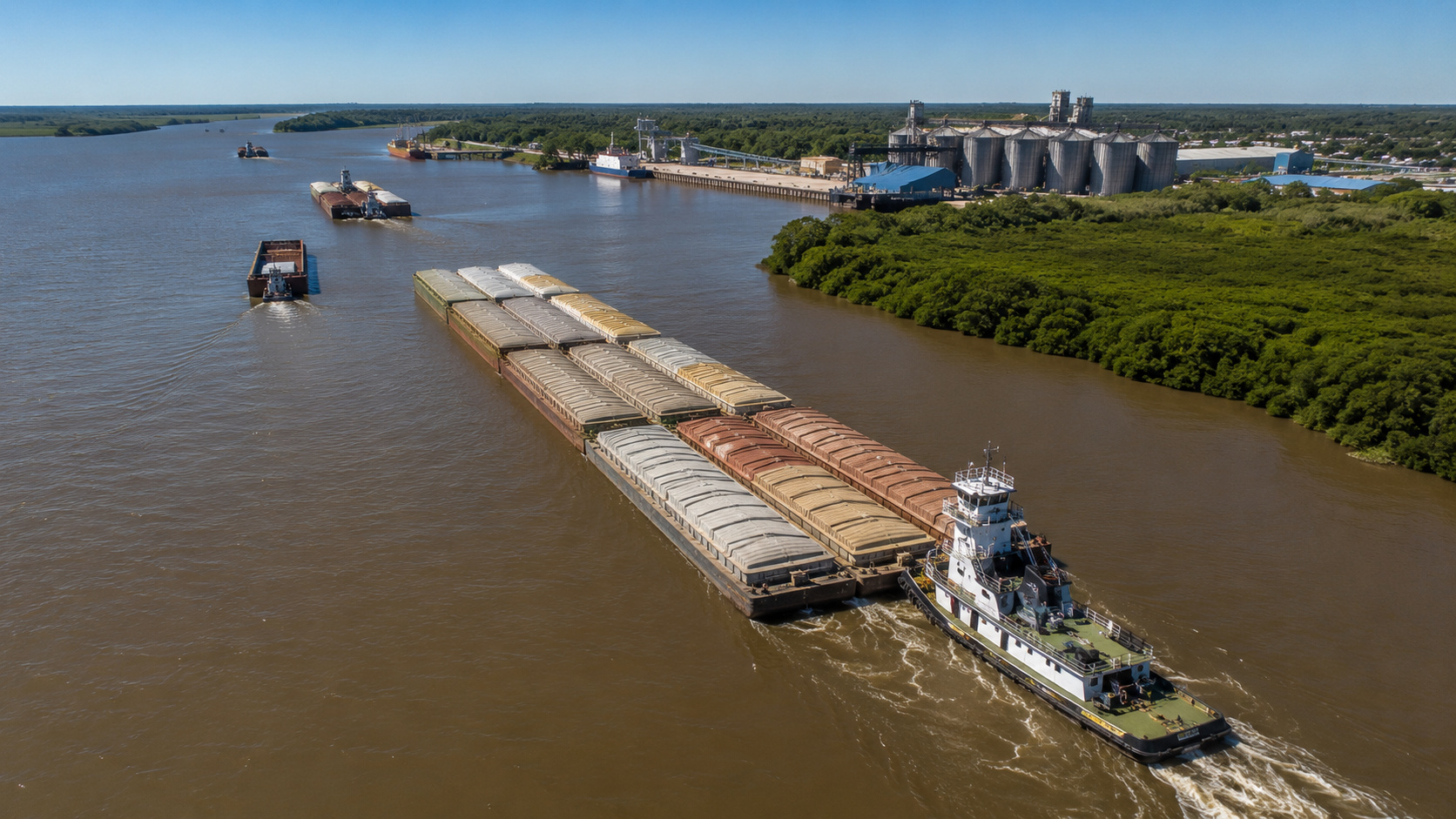
Latin America’s Largest Port Invests $400 Million in Rail System with Trains Up to 2.4 Kilometers Long
-
New Smart Radar Begins Issuing Fines to Solo Drivers in Carpool Lanes, Uses Cameras to Count Occupants, Changing Traffic Enforcement Rules on Busy European Roads

-
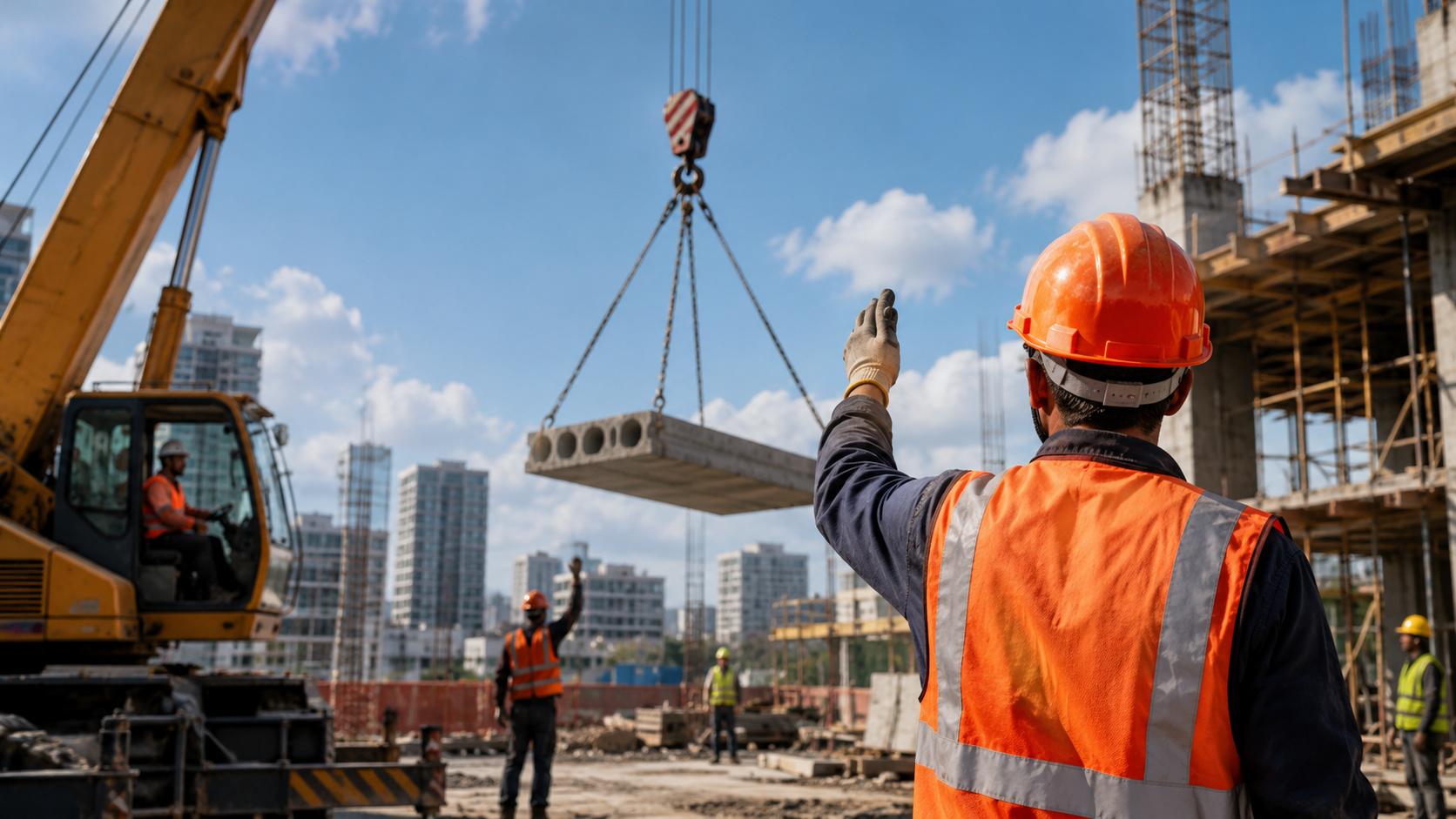
Why can the crane operator only obey the correct signalman on the construction site: among dozens of workers, a hand raised by the wrong person can confuse the maneuver and turn a load of tons into an immediate risk.
-
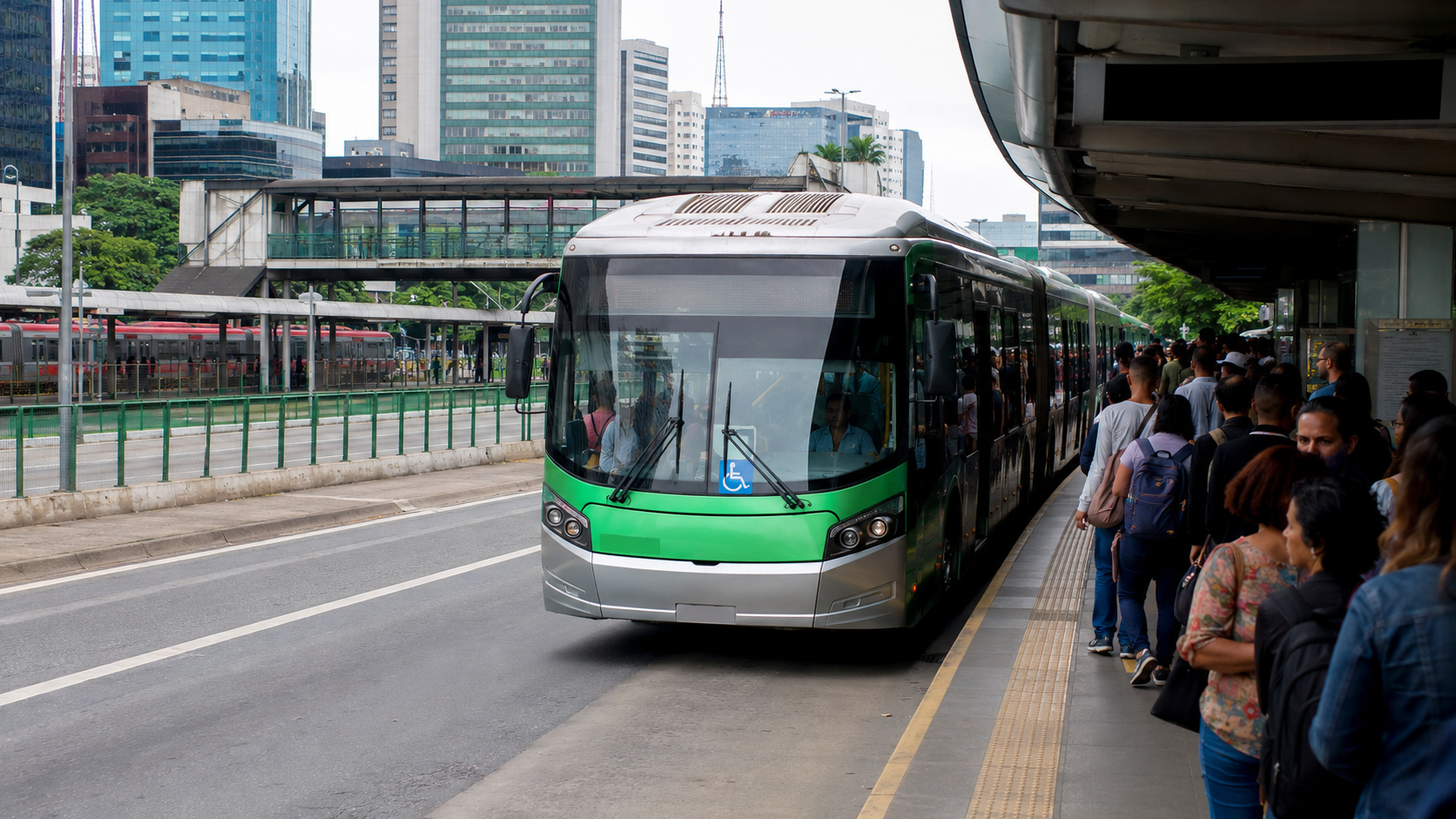
What changes with the new public transportation rules that can reduce pressure on fares and pave the way for zero fare in Brazil?

The bridge structure will be supported by V-shaped columns. According to Ralph Kieft, an architect at ZJA, the studio responsible for the design, the choice of gray steel columns and the white color of the bridge were intended to create a light and transparent appearance.
“The bridge is designed to integrate with the environment, with a design that appears to float above the highway.
The continuous gradient and straight trajectory of the bridge create a visual effect that marks the boundary between Flanders and Brussels,” explains Kieft.
The bridge will be elevated nearly eight meters above the highway, allowing for safe passage for vehicles and trains.
Access to the bridge will be provided by steps that integrate into the overall design, providing a comfortable ascent.
These steps are elongated and shallow, facilitating access and ensuring safety for all users.
With its long and straight structure, the bridge will be a notable visual landmark. The architectural design was conceived for the bridge to appear to float, with details that repeat along its length, creating a continuous and harmonious effect.
Impact Of The Construction On Urban Mobility
Located on the A201 Leopold III-Laan, the new bridge will provide a safe and efficient crossing in the area.
This project is part of the ‘Work on the Ring’ program, which aims to improve mobility and quality of life in the area around Brussels. The program’s goal is to invest in better public transport, upgrade the ring road, and create fast and safe connections for cyclists.
The company De Werkvennootschap, responsible for executing the project, believes that the new bridge will be an important link for mobility, facilitating travel between Flanders and Brussels.
Moreover, the project integrates a larger effort to make the region more accessible and sustainable for its residents.
Benefits For Cyclists And Pedestrians
The construction of this bridge is a response to the growing needs for sustainable urban mobility.
With the inclusion of a dedicated bike lane, the project aims to encourage more people to choose non-motorized transportation.
This not only helps reduce congestion on the roads but also contributes to lowering carbon emissions.
The bridge will be an example of how infrastructure can be designed to promote greener and healthier modes of transport.
By providing a safe and well-designed path for cyclists and pedestrians, the new structure will facilitate the integration of different transportation modes, benefiting the local community and supporting the creation of a more efficient and pleasant urban environment.
Completion Of The Largest Bridge Project In Europe
With the completion of construction expected in 2024, the new bridge for cyclists and pedestrians represents a significant advancement for transportation infrastructure in Flanders.
This project not only improves local mobility, but also reflects a commitment to creating a more sustainable and accessible urban environment.
The impact of the bridge will be monitored to ensure that it meets expectations and contributes positively to the quality of life in the region.
The new structure is expected to become a model for future infrastructure projects in other parts of the world.