





 Portuguese
  English
  Spanish
  3 min of reading


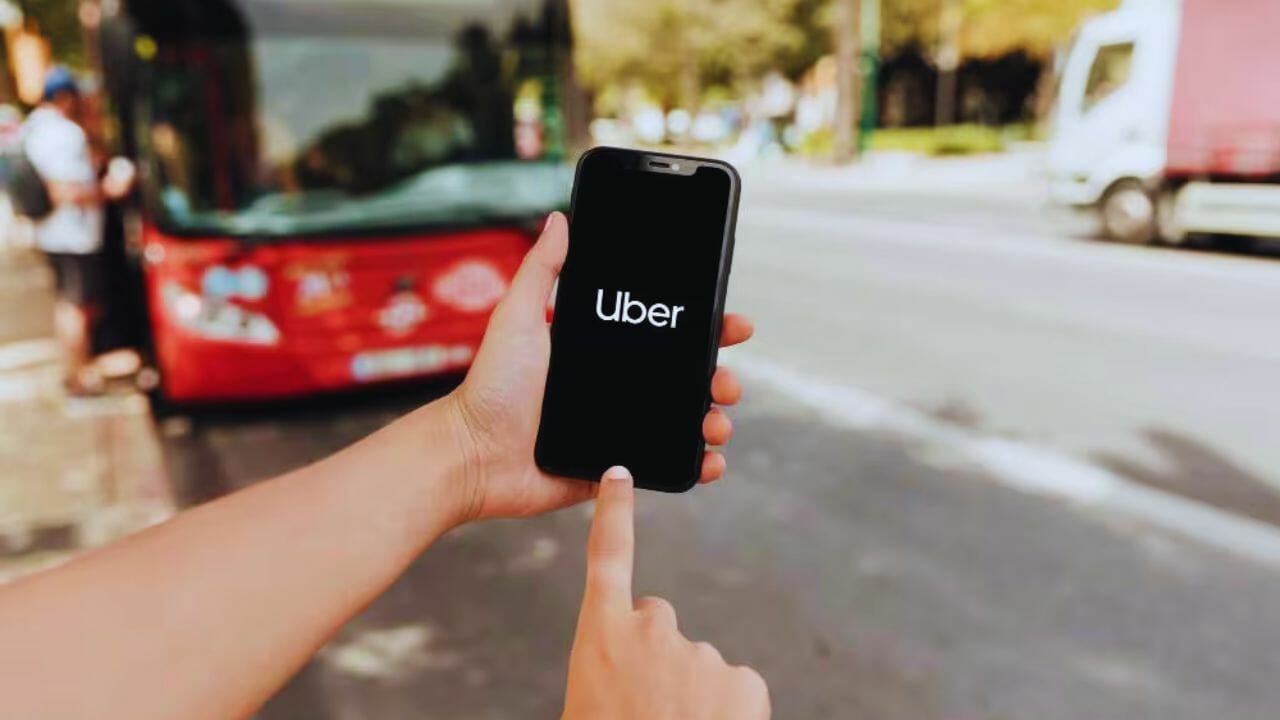
Uber, The Leading Ride-Hailing Company, Faces A Challenge In Brazil With The Increasing Number Of Cases Of The So-Called “Security Code Scam.”
This criminal practice has caused losses and concerns among users, who become victims of malicious drivers.
In this article, we will explore in detail how this fraudulent scheme works, what measures Uber is taking to combat it, and how you can protect your rights as a consumer.
What Is The Security Code Scam?
The security code scam is a criminal scheme in which malicious drivers request passengers the security code of the ride before boarding. Once in possession of this code, these drivers start the trip without the customer’s presence, generating fraudulent charges and causing financial losses to Uber users.
-
Spending too much at the vet? Discover how to save every month

-
INSS changes the rule and protects the benefit of those who do odd jobs: new measure prevents the immediate loss of BPC in situations that previously worried thousands of families and brings a little-known change for those seeking work.
-
Health costs pressure China to increase tax on cigarettes after the billion-dollar impact of smoking nearly doubles in 8 years

-
China’s major economic artery receives a megaproject worth $11.39 billion to allow ships to pass through the Three Gorges: new locks carved into the mountain promise to double the logistical capacity of the Yangtze River by 2050.




Prevention Through The U-Code
In response to this criminal practice, Uber has implemented a security feature called “U-Code.” This is a four-digit password generated by the app for each ride. The passenger must inform this sequence to the driver in person at the meeting time, which ensures the identification of the correct professional and adds an extra layer of security.
Uber’s Guidelines For Users
Uber has advised users never to share the security code via chat or phone before boarding. The company emphasizes that the numerical sequence should only be provided at the time of meeting the driver.
It has sent emails with detailed instructions on how to avoid the scam, reinforcing the importance of always verifying the driver’s identity and checking if the security code matches the one generated by the app.
Uber’s Responsibility For Damages Caused To Consumers
Uber, as a service provider, has a responsibility towards its users. If you are a victim of the security code scam, it is essential to act quickly and effectively to protect your rights. The first step to take is to cancel the ride and capture a screenshot of your phone as evidence of the incident. Then, contact the company to report the incident and request that you are not charged the cancellation fee.
Resorting To Consumer Protection Agencies
If the issue is not satisfactorily resolved by Uber, it is important to know that you have rights as a consumer. The Brazilian Institute of Consumer Defense (Idec) warns that the company can be held liable for damages caused and must take all necessary measures to prevent this type of fraud.
If needed, you can contact Uber’s support channels, such as the company’s customer service or the website of the National Consumer Secretariat (consumidor.gov.br), and even escalate the matter to Procon to seek a fair solution for your case.






Be the first to react!