Portuguese
  Spanish


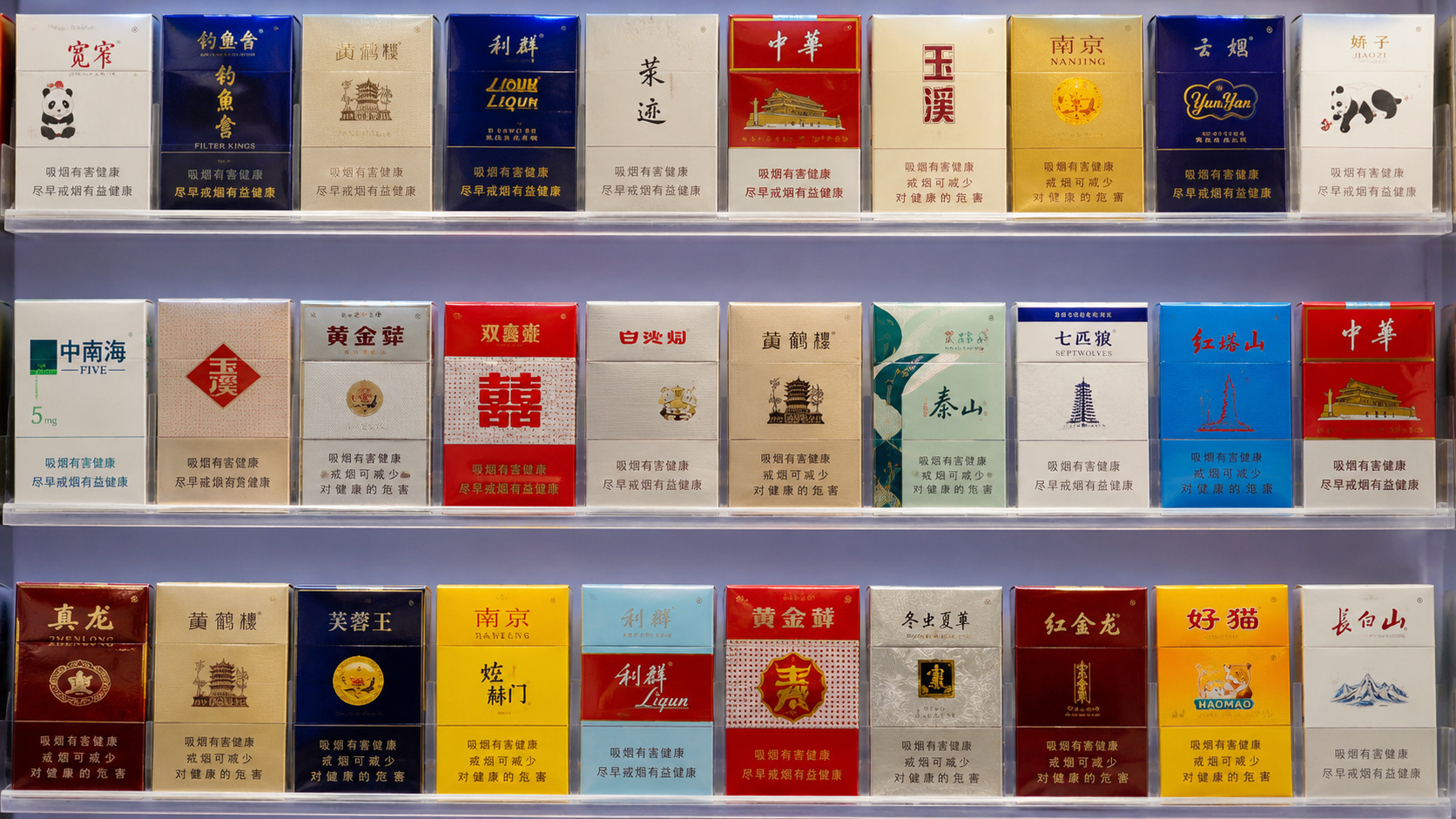

Study shows that smoking increased medical expenses, economic losses, and pressures on the Chinese healthcare system
A new public health discussion gained momentum in China after researchers calculated that the economic impact of smoking nearly doubled between 2012 and 2020. The survey, released by Caixin Global, reignited the debate on raising cigarette taxes in a country facing an aging population, an increase in chronic diseases, and growing pressure on medical expenses. The study was led by Rong Zheng, a professor at the University of International Business and Economics, and indicates that the losses associated with smoking increased from 1.4 trillion yuan to 2.43 trillion yuan during the analyzed period.
Technical study reveals impact greater than sector gains
The research shows that the economic cost of smoking reached about 2.3% of China’s Gross Domestic Product in 2020. This value exceeds the financial benefits generated by the tobacco industry, estimated at 1.52 trillion yuan from taxes, profits, and other revenues. Although the sector still represents a significant source of revenue, the researchers highlight that the total impact of smoking was 1.6 times above the economic gains produced by the tobacco chain. This result strengthens the assessment that taxation can function as a fiscal instrument and, at the same time, as a public health measure.
Pressure on health expands the debate
The increase in medical expenses made the discussion more urgent. Diseases associated with smoking require prolonged treatments, increase the demand for care, and raise costs for families and governments. The analysis also considers productivity losses, work absences, and premature deaths, factors that make the economic impact broader than the simple hospital bill. This scenario explains why experts have started to advocate for a stricter tax policy to reduce cigarette consumption and alleviate some of the pressure on the healthcare system.
-
Brazilian Workers and Instructors to Train in China on Electric Car Technology Ahead of New Factory Opening in Brazil

-
Viral Message Claiming Government Will Deposit Money for Registering CPF as Pix Key Debunked

-
Embraer Acquires Full Control of Mexican Aircraft Interiors Manufacturer EAI to Reduce Supplier Dependence and Protect Margins Amid Global Aviation Competition

-
Controversial Amazon Highway BR-319 to Receive $1.3 Billion for Road Upgrades and $570 Million for Territorial Governance in Brazil


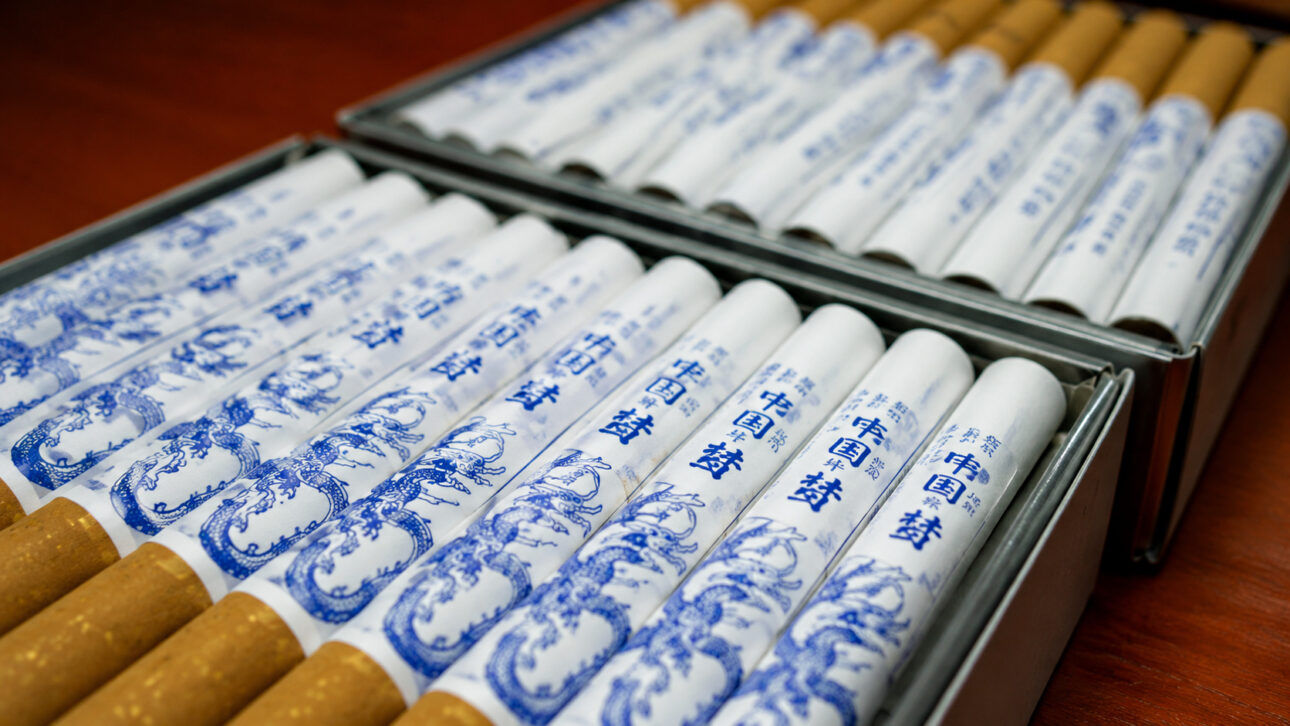
Experts advocate tax as a tool for reducing consumption
During an event organized by the Beijing Tobacco Control Association, the China-Japan Friendship Hospital, and the University of International Business and Economics, experts advocated for increasing the tax burden on cigarettes. Kewei Li, from the World Health Organization’s Tobacco-Free Initiative in China, stated that price increases tend to produce faster effects than educational campaigns. WHO data indicates that a 10% increase in tobacco prices can reduce consumption by about 4% in high-income countries and between 5% and 8% in low- and middle-income countries.
2015 History Reinforces Pressure for New Taxation
China already tested this path in 2015 when it raised taxes on cigarettes in May of that year. According to the State Administration of Taxation, wholesale sales fell by 15.9% shortly after the change, while wholesale consumption tax revenue increased by 4 billion yuan. Euromonitor International also recorded the first annual decline in cigarette consumption in the country in nearly two decades in 2015. These data have been used by experts as an argument for a new round of tax adjustments.
Youth and Low Income at the Center of the Discussion
Researchers cited by Caixin Global assess that the price increase has a greater effect on young people and low-income individuals, precisely the groups most sensitive to the cost variation of cigarettes. Dan Xiao, from the China-Japan Friendship Hospital, stated that about 100 million Chinese smokers wish to quit smoking. This data reinforces the idea that a stronger tax policy could encourage consumption reduction, provided it is accompanied by treatment programs and support for those trying to quit smoking.
Tax Reform Requires More Careful Design
Experts warn that the tax increase needs to be planned to avoid limited effects. Companies may launch cheaper brands or change commercial strategies to reduce the impact of taxation. Therefore, Rong Zheng advocates for greater emphasis on specific taxes per pack and the adoption of a minimum price for tobacco-derived products. Part of the revenue could also be directed to public health, health insurance, chronic disease prevention, and smoker treatment.

The Future of Anti-Tobacco Policy in China
The increase in costs associated with cigarettes has turned taxation into a strategic agenda for China. The discussion involves revenue, public health, productivity, and population aging, at a time when the country seeks to reduce pressures on its medical system. The experience of 2015 indicates that higher prices can decrease consumption, but experts argue that new measures should be accompanied by prevention and treatment policies.
Do you believe that increasing taxes on cigarettes can reduce smoking and alleviate public health costs in China?