






 Portuguese
  Spanish


Duracell expands network for electric cars with ultra-fast stations and bets on the advancement of electric vehicles by 2030.
The traditional battery manufacturer Duracell has decided to accelerate its entry into the electric mobility sector and already presents an ambitious plan to expand the charging infrastructure for electric cars. The company confirmed a technological partnership with Driivz to strengthen the operation of the Duracell E-Charge network in the United Kingdom, consolidating a project that foresees more than 500 ultra-fast charging points by 2030.
According to InsideEVs on May 12, the move reinforces a global trend: historical companies in the energy and battery sector are migrating to the electric vehicle market, seeking to meet a growing demand for reliable, fast, and integrated charging infrastructure. Duracell’s proposal is to reduce the so-called “range anxiety,” one of the main challenges faced by electric car drivers on long trips.
With an investment exceeding £200 million, the company intends to create more than 100 charging hubs in strategic areas, such as highways, shopping centers, and hotels. The initiative also shows how network expansion has become a priority for brands that wish to participate in the transformation of the global automotive sector.
-
2027 Toyota Corolla Cross Unveiled: New Design, Enhanced Fuel Efficiency, Reduced Maintenance Costs, Advanced Technology, Connected Services, and Up to 10-Year Warranty

-
Fiat Cronos Precision 2018: Affordable Sedan with Spacious Trunk and Reliable Maintenance
-
Volkswagen to Cut Production by 1 Million Cars by 2030, Reducing Jobs and Platforms, Focusing on More Profitable Models

-
Toyota Launches First 100% Electric Car in Brazil: bZ4X with 343 HP, All-Wheel Drive, 361 km Range, Priced at $419,990 BRL, Limited to 99 Units




Duracell strongly bets on the growth of electric cars
Duracell’s entry into the electric car sector was officially announced in 2025, when the company revealed the launch of the Duracell E-Charge platform. The proposal caught the market’s attention because it represents an important shift in the brand’s operations, historically linked to alkaline batteries and portable batteries.
Now, the company seeks space in a strategic segment for the future of mobility. The growth of electric vehicles has been pressuring governments and private companies to expand the charging infrastructure, especially in regions where the public network is still limited.
According to data from the International Energy Agency (IEA), the global number of electric vehicles surpassed 40 million in circulation in 2025, driven mainly by China, Europe, and the United States. The accelerated advancement of electrification has also increased the need for new charging points in urban and road areas.
In this scenario, the network expansion promoted by Duracell aims to address exactly a critical bottleneck: the difficulty of finding fast and reliable chargers during longer journeys.
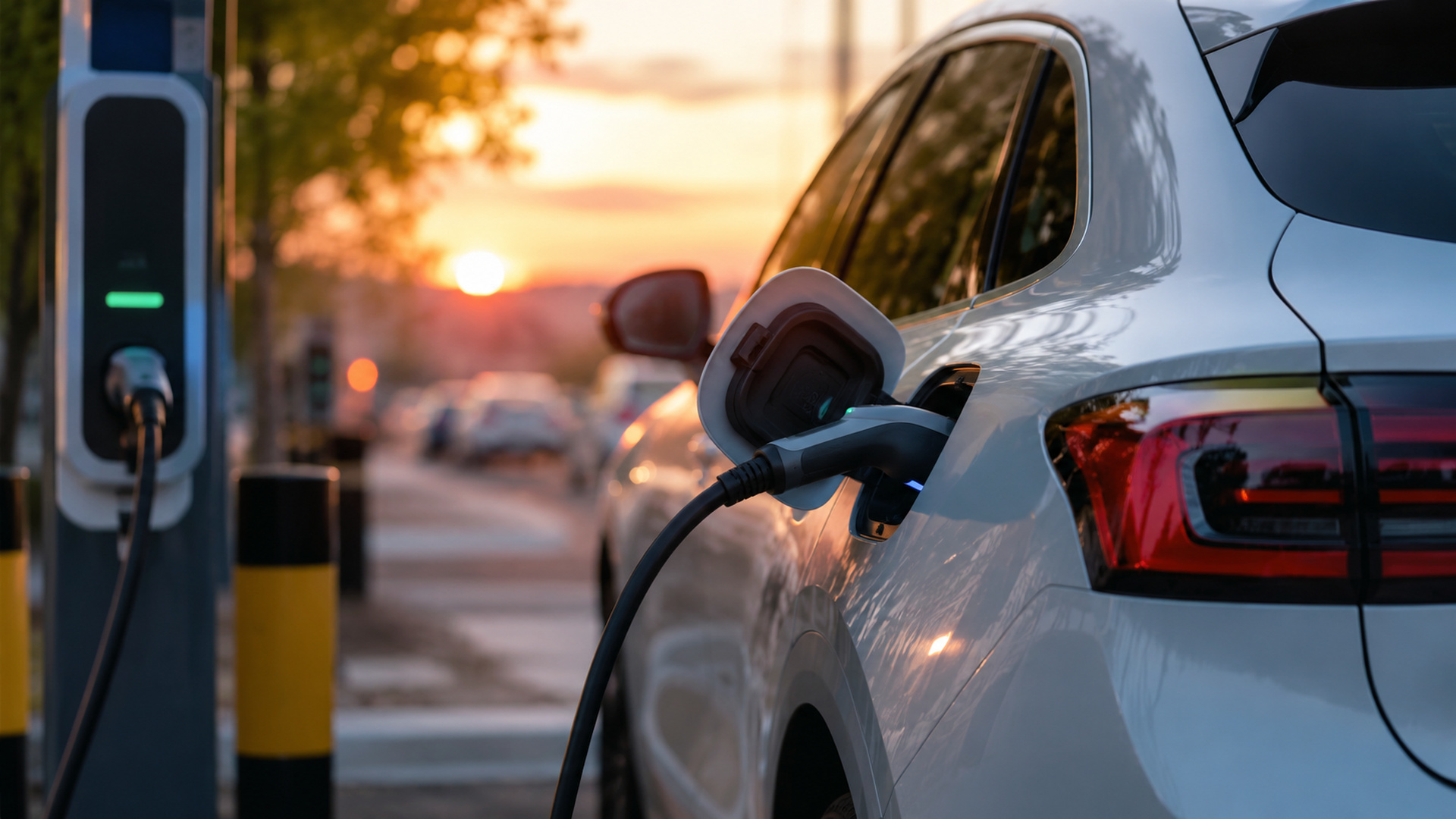
Technological Partnership Strengthens Duracell’s Network Expansion
To ensure operational stability, Duracell has partnered with Driivz, a company specializing in management platforms for electric vehicle charging. The software will be responsible for coordinating different network functions, including payments, remote diagnostics, charger monitoring, and app integration.
The initiative seeks to reduce technical failures and increase the availability of stations, a recurring problem in various charging networks around the world. In many countries, electric car users face difficulties related to chargers being out of operation or system incompatibility.
The technology will also enable modern functionalities, such as support for the Plug & Charge system. This feature simplifies the charging process by allowing the vehicle to be automatically recognized by the charger, eliminating manual authentication steps.
With this, Duracell aims to create a simpler and more intuitive experience for electric vehicle drivers, bringing charging closer to the convenience already associated with the everyday use of conventional batteries.

Network Expansion Plans Over 500 Charging Points
Duracell’s project plans the construction of over 100 charging hubs by the end of the decade. The goal includes more than 500 ultrafast points distributed in strategic regions of the United Kingdom.
The chosen locations should prioritize high-traffic areas, such as:
- Highways;
- Hotels;
- Shopping centers;
- Logistics corridors;
- High-traffic urban areas.
The network expansion will be developed in partnership with The EV Network, a British company specializing in infrastructure for electric mobility. The company will be responsible for financing and physically implementing the stations.
The main objective is to expand ultrafast charging coverage and make long trips more predictable for electric car drivers. Currently, the availability of infrastructure is still considered a decisive factor for many consumers evaluating the switch to electric vehicles.
First Duracell Station Already Operating in the United Kingdom
The first public unit of the Duracell E-Charge network began operation in the city of Cheltenham, United Kingdom, at the end of 2025. The hub has ten charging spots equipped with ultra-fast chargers of up to 300 kW.
This power level allows for significantly reducing the recharge time of compatible electric cars. In many modern models, chargers above 250 kW can recover a large part of the battery in less than 30 minutes.
Additionally, Duracell also mentioned studies for future stations with power up to 1,000 kW. The technology would be primarily aimed at new generations of large electric vehicles and electrified light trucks.
Although this type of charging is still in its early stages in the global market, the announcement shows that the company intends to keep up with the technological evolution of the sector.
Growth of Electric Vehicles Increases Demand for Infrastructure
The rapid global expansion of electric vehicles has created an international race for charging infrastructure. European governments, automakers, and private companies have been increasing investments in fast chargers to meet the growth of the electric fleet.
In Europe, for example, the European Union has approved rules requiring fast charging stations at regular intervals on the continent’s main highways. The goal is to ensure greater safety and predictability for electric car drivers.
In Brazil, the scenario also shows strong growth. Data from the Brazilian Electric Vehicle Association (ABVE) indicate a continuous increase in sales of electrified vehicles in recent years, driven mainly by plug-in hybrid and pure electric models.
As a result, the expansion of the charging network is considered essential to sustain the evolution of the national and international market.
Duracell Wants to Eliminate Range Anxiety
The so-called “range anxiety” is one of the biggest obstacles to the popularization of electric cars. The term defines the fear of running out of battery during a trip due to the absence of nearby charging points.
Duracell states that its strategy aims to minimize this problem. The proposal is to create a reliable network, with high operational availability and continuous user support.
The promised differentials include:
- Permanent service;
- Integration with apps;
- Multiple payment methods;
- Ultra-fast charging;
- Remote monitoring of equipment;
- Compatibility between different models of electric vehicles.
The intention is to make the recharging process as simple as the everyday use of the brand’s traditional batteries.
Network expansion can influence other markets
Although the current project is focused in the United Kingdom, Duracell’s advancement in the sector can influence other international markets. The global growth of electric cars demands billion-dollar investments in infrastructure, creating opportunities for energy, technology, and battery companies.
Experts point out that traditional brands have a competitive advantage when entering this segment, especially due to the credibility already established with consumers.
Moreover, the expansion of the charging network tends to become a strategic differentiator in the coming years. Companies capable of offering fast, reliable, and integrated stations can gain significant space within the electric mobility chain.
In the case of Duracell, the public’s familiarity with the brand can facilitate the adoption of the new Duracell E-Charge platform.
Electric cars depend on reliable infrastructure
The sustainable growth of the electric car market directly depends on the evolution of the recharging infrastructure. Without a broad and efficient network, consumers still face insecurity in making longer trips or relying exclusively on electric vehicles daily.
Therefore, investments like Duracell’s gain global relevance. The installation of ultra-fast hubs on highways and urban centers can reduce waiting times and increase drivers’ confidence.
The International Energy Agency itself highlights that charging infrastructure will be one of the decisive factors for the expansion of electric vehicles throughout this decade.
Furthermore, intelligent software solutions, such as those provided by Driivz, tend to become fundamental to ensure operational stability and integration between different networks.
Duracell reinforces the transformation of the automotive sector
Duracell’s entry into the electric vehicle market shows how electrification is reshaping different segments of the global economy. Companies historically associated with portable batteries are now competing in a strategic sector for the future of mobility.
The investment in ultra-fast chargers, connectivity, and technological integration reveals an increasingly strong trend: the recharging experience will become as important as the vehicle itself.
With more than 500 points planned by 2030, Duracell’s network expansion signals that the race for electric car infrastructure is just beginning. For consumers, this can mean simpler, more predictable trips free from constant worries about range.
As electric vehicles gain space on streets and highways, projects like Duracell’s tend to play a decisive role in the consolidation of large-scale electric mobility.
With information from InsideEVs








