Portuguese
  Spanish




Purchase of Intersect Power for US$ 4.75 Billion Places Renewable Energy at the Center of Google’s Strategy to Ensure Electricity for Its Artificial Intelligence Data Centers in the United States.
Alphabet, the parent holding company of Google, announced on Monday (22) the full acquisition of renewable energy developer Intersect Power. The deal amounts to US$ 4.75 billion in cash, along with the assumption of the company’s debts.
The operation ranks among the largest ever conducted by the group and underscores the importance of clean electricity to sustain the rapid advancement of artificial intelligence.
The decision is made against a backdrop of intense pressure on the electrical grids of the United States. The expansion of AI-focused data centers has skyrocketed energy demand to unprecedented levels in recent decades, highlighting structural limitations of an aging electrical system.
-
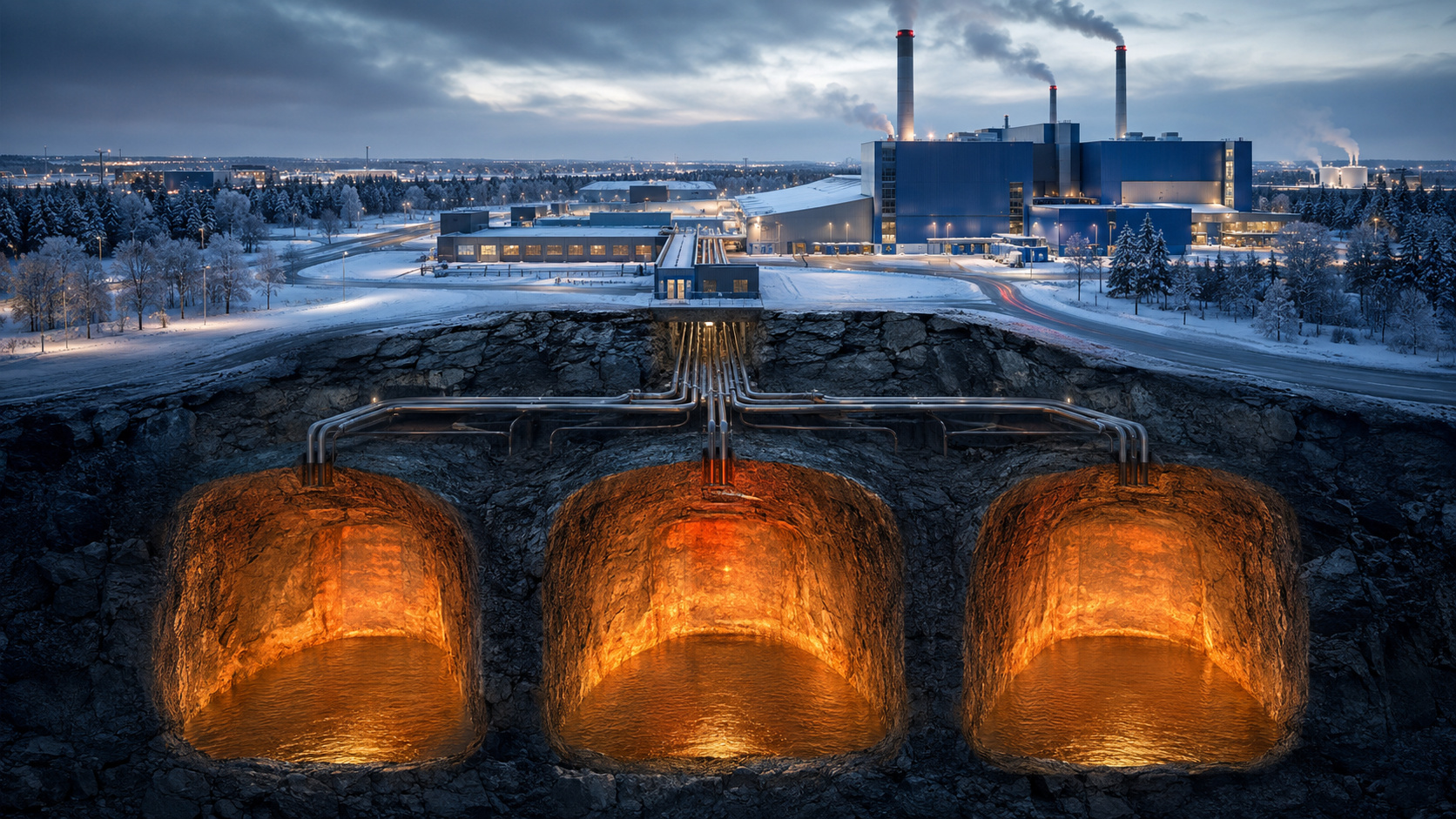
California Project Aims to Store Heat Underground in Former Oil Reservoir to Generate 100 kW of Electricity for Over 12 Hours

-
French Port Harnesses Industrial Waste Heat to Power Up to 30,000 Homes
-
Belgian Port to Install Shore Power for Cruise Ships by 2027, Cutting Dock Emissions by Up to 5% and Meeting EU Regulations
-
Canadian Project Converts Hot Water from Mature Oil Fields into Electricity, Repurposing Existing Wells and Infrastructure




Data Centers Drive the Race for Clean Electricity
Major technology companies have begun competing for access to electricity as a strategic input. Artificial intelligence-based services require high computing capacity and continuous operation, significantly increasing energy consumption.
In this context, renewable energy emerges as an alternative to ensure stable and predictable supply. By acquiring Intersect Power, Google secures an additional source of electricity capable of powering its data center complexes, reducing risks associated with energy shortages in certain regions.
Intersect Power Operates in Solar, Wind, and Storage Projects
Intersect Power specializes in developing large renewable energy generation projects. Its portfolio includes solar power plants, wind farms, and energy storage solutions, which are essential for balancing supply and demand in modern electrical systems.
With the acquisition, Alphabet now directly controls clean generation assets, allowing for greater integration between energy production and consumption in data centers. In addition, the strategy contributes to the company’s environmental goals, which aim for carbon-free electricity operations.
Partnership Between Google and Intersect Started Before the Purchase
The relationship between the two companies did not start now. In 2024, Google had already acquired a minority stake in Intersect Power. At the time, the partnership involved the construction of large renewable energy plants near the company’s data center campuses, as reported by Bloomberg.
With the total acquisition, this cooperation transforms into direct control. Alphabet internalizes a significant portion of the electrical generation needed for its large-scale computing operations.
Reduced Dependence on Local Utilities
By bringing renewable energy generation into its structure, Google reduces its dependence on local utilities. This move provides greater predictability in electricity supply, especially in regions where infrastructure is already operating near capacity.
Moreover, the initiative signals a growing trend in the technology sector. As the demand for AI increases, companies are beginning to invest directly in energy assets to ensure competitiveness, operational stability, and alignment with environmental commitments.