






 Portuguese
  Spanish


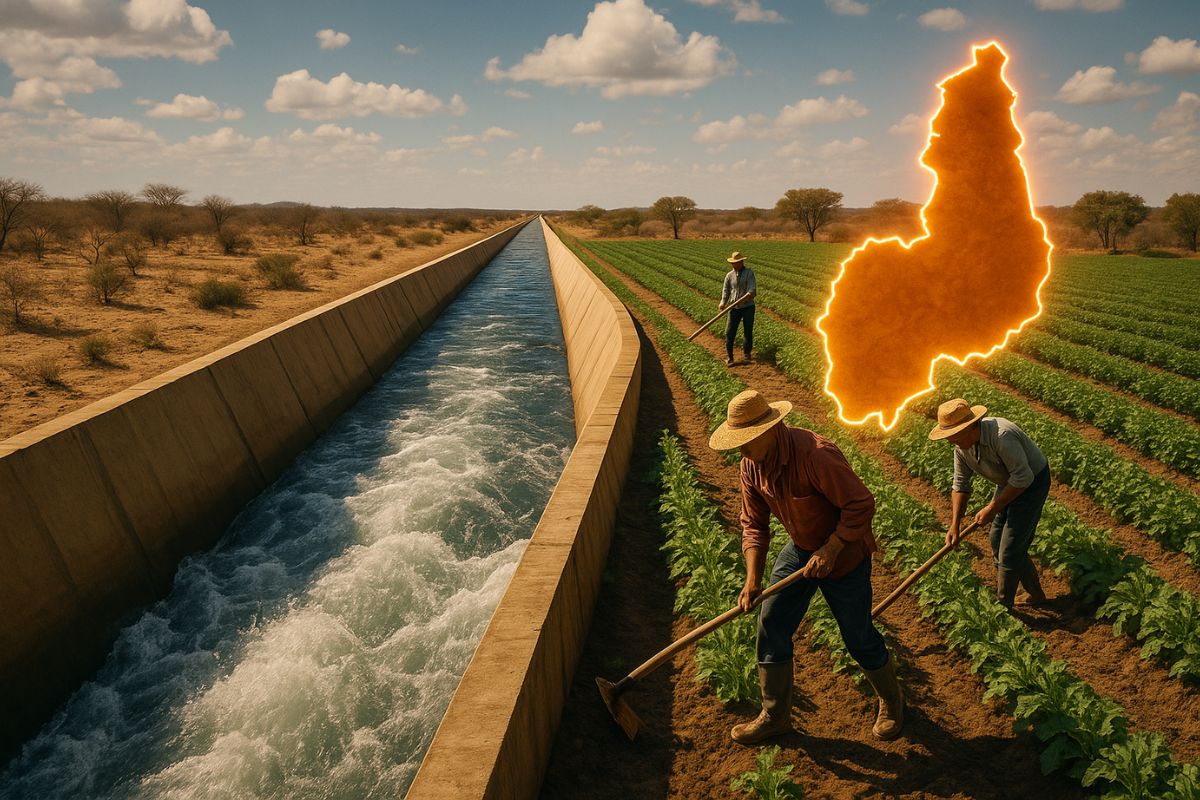

Government Approves Study for Expansion of the São Francisco River Transposition, See Locations. Study Will Benefit Over 40 Municipalities in Piauí, Ensuring Water Security and Boosting Regional Development.
The government approves a study for the expansion of the São Francisco River transposition, a crucial step to combat drought in the northeastern semiarid region. The initiative aims to increase access to water in areas historically affected by drought, directly benefiting 42 municipalities in Piauí.
With the connection between the Sobradinho reservoir in Bahia and the river basins of Piauí and Canindé, the project could transform the lives of over 1 million people, promoting regular water supply, irrigated agriculture, and local economic development. This is one of the most ambitious stages of the São Francisco River Integration Project (PISF), considered the largest water-related project in Brazil.
What the Study Approved by the Government Means
The Technical Feasibility Study, budgeted at R$ 8.5 million, will be conducted by the Ministry of Integration and Regional Development. It will assess the environmental, economic, and social sustainability of the project, defining how water resources will be allocated efficiently.
-
Prefabricated Home Assembled in Days Offers Cleaner, More Efficient Construction with Factory-Made Panels, Requires Technical Design to Prevent Moisture Issues

-
Single Mother Working Three Jobs Receives 111 m² 3D-Printed Home with Concrete Walls Built in 12 Hours, Featuring 3 Bedrooms, 2 Bathrooms, and a Printer for Replacement Parts

-
Simple Technique to Restore Rusty Metal Window Grilles Gains Attention for Revitalizing Old Structures Without Full Replacement

-
Couple Transforms Suffolk’s Last 1891 Windmill into Luxurious Four-Story Home with Zinc Observation Room in England




According to the director of Special Projects, Bruno Cravo, the planning phase is already advanced, with data collection in the field and a public hearing planned at the Legislative Assembly of Piauí. The goal is to ensure transparency in the process and allow civil society to participate in setting priorities.
How the Expansion May Impact the Region
The government approves a study for the expansion of the São Francisco River transposition not only to combat drought but also to generate economic and social growth. Among the expected impacts are:
- Water Security: over 600 thousand people will no longer need to rely on water trucks to access drinking water.
- Irrigated Agriculture: approximately 13 thousand hectares could be cultivated, increasing production and income for local farmers.
- Job Generation: the project may attract private investments, strengthen industries, and expand job opportunities in the region.
- Public Health: access to quality water reduces diseases associated with water contamination.
What Are the Technical and Environmental Challenges
Despite the benefits, the project faces complex technical challenges. New distribution channels, reservoirs, and adaptations to existing infrastructure will be necessary, with an estimated additional cost of R$ 45 million.
From an environmental standpoint, there are concerns regarding the preservation of fauna and flora, as well as risks of altering the water balance of receiving basins. Therefore, the feasibility study also includes a detailed economic, environmental, and social analysis to mitigate potential impacts.
Strategic Importance of the Transposition
The PISF is already considered a landmark in Brazilian engineering, with 477 km in length, 13 aqueducts, nine pumping stations, and 27 reservoirs. The expansion to Piauí further strengthens the role of the project within the National Water Resources Policy, ensuring water for human consumption and regional development.
Experts state that, in addition to improving living conditions in the semiarid region, the transposition could pave the way for agricultural modernization and make the Northeast less vulnerable to climate change.
The fact that the government approves a study for the expansion of the São Francisco River transposition represents a historical opportunity to transform the reality of the Piauí hinterland. If implemented, the project could reduce dependence on emergency solutions, such as water trucks, and inaugurate a new cycle of sustainable development.
And you, do you believe that the expansion of the transposition is the definitive solution to drought in the Northeast, or are there still doubts about its impacts? Share your opinion in the comments and engage in this essential debate for the country’s future.


