






 Portuguese
  Spanish


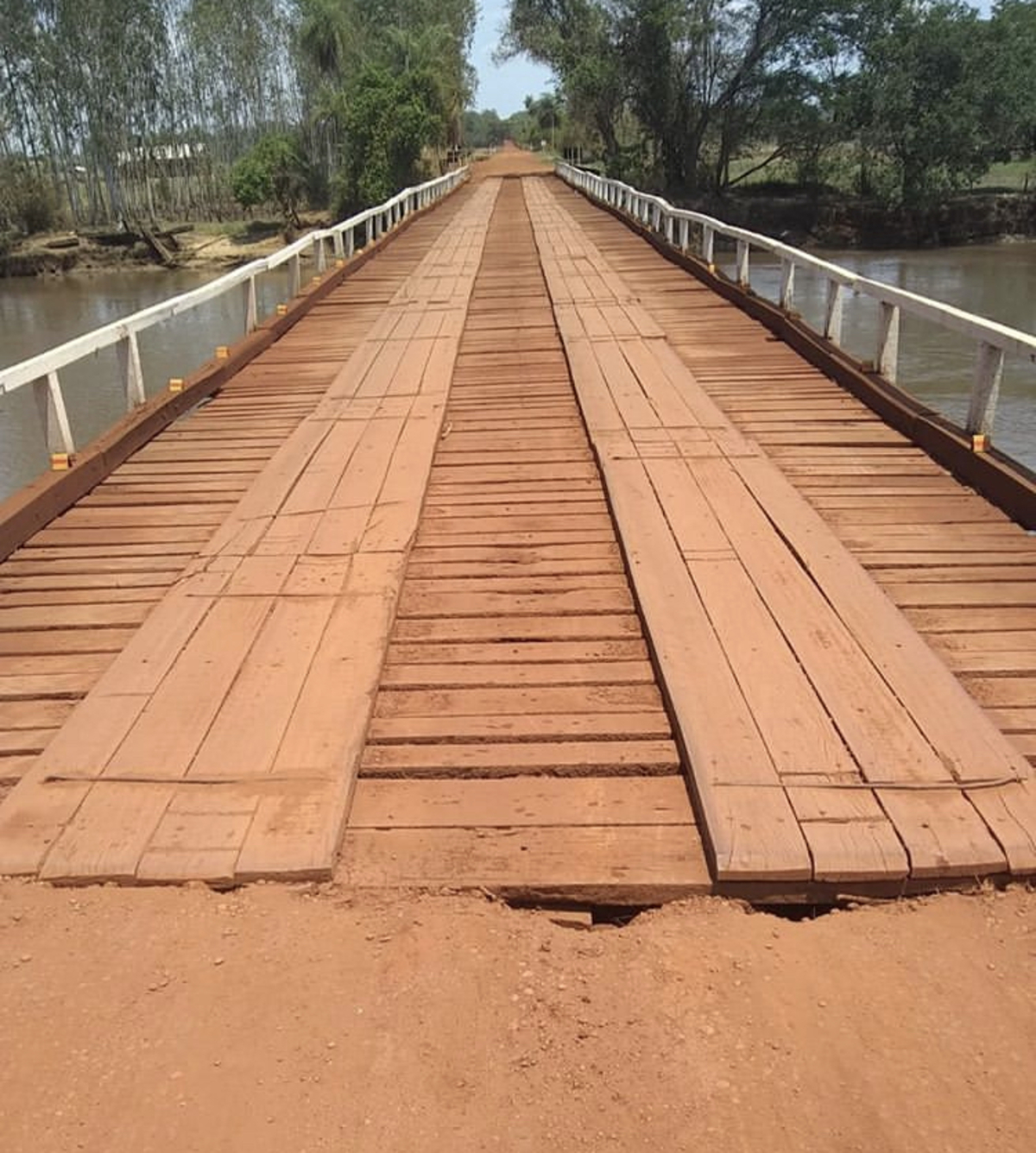


Understand More About The Government Of Mato Grosso Replacing 1,300 Wooden Bridges With Concrete By 2026, Aiming For Safety And Agility In The State.
In an ambitious initiative to modernize its road network and ensure traffic safety and fluidity, the Government Of Mato Grosso Is Replacing Over 1,300 Wooden Bridges.
The action, which is part of a strategic plan by the State Secretary of Infrastructure and Logistics (Sinfra), aims to eliminate precarious structures with high maintenance costs, replacing them with safer and more durable works, such as concrete bridges, culverts or metal pipes.
The bold goal is to complete the project by the end of 2026, transforming the state’s logistics and boosting the local economy.
-
Facing high rent, couple transforms parents’ garage into a fully functional apartment, creating a complete home at a fraction of the market cost.

-
MIT Scientists Develop Method to Transform CO₂ into a Construction Ally, Boosting Cement Strength by 13% in 24 Hours for More Sustainable Infrastructure

-
Canadian City Builds 8 Tiny Homes in 72 Hours for Homeless Youth, Plans 40 Affordable Houses for Female-Led Families Amid Housing Crisis

-
45-year-old Brazilian mother of 9 and grandmother of 12 receives 27 m² house made from recycled plastic, built in 15 hours with interlocking blocks and a recycled roof.


This large-scale project represents a shift in how transportation infrastructure is managed in Mato Grosso.
By focusing on replacing such a significant number of bridges, the government seeks to address a chronic problem affecting the lives of thousands of residents, rural producers, and drivers who travel daily along the state’s highways.
The Strategy Behind The Numbers
The replacement plan is detailed and already shows concrete results. So far, Sinfra Has Delivered 222 Concrete Bridges, demonstrating the project’s agility.
Work continues at full speed, with another 130 currently under construction, and 23 more in the bidding process, which will soon begin construction.
In total, the initial target of 375 Planned Concrete Structures is on track to be achieved, transforming the reality of rural roads.
In addition to large bridges, the government is also focused on more efficient solutions for small watercourses.
Sinfra is also investing in the installation of concrete culverts and metal pipes, which are used to allow the safe and economical passage of small watercourses.
This diversified approach ensures that Sinfra can tackle the problem of wooden bridges on all fronts, whether on large rivers or small streams.
The goal includes both replacing wooden structures with new concrete bridges and swapping them for concrete culverts or metal pipes, showcasing a comprehensive strategy adaptable to the needs of each location.
The Social And Economic Impact Of The Project
The replacement of wooden bridges goes far beyond engineering.
It is a matter of more safety and agility in vehicle crossings, which previously faced risks of accidents and long lines at ferries.
Sinfra demonstrated this commitment by announcing that nine bridges are being built to replace ferries, which will eliminate logistical bottlenecks and significantly reduce travel time.
The Secretary of Infrastructure and Logistics, Marcelo de Oliveira, emphasized the human and economic impact of the project with a clear and direct statement: “Even a small bridge can represent a significant obstacle for those who depend on that road. Eliminating these precarious crossings is providing real conditions for mobility, access to services, and the flow of production.”
The Secretary’s statement highlights that the initiative directly benefits agribusiness, one of the pillars of the economy of Mato Grosso, by facilitating the flow of production, but also improves access to essential services such as healthcare and education for rural communities.
Results And Next Steps
The results of the initiative are already noticeable in various regions of the state. Currently, the project has already eliminated 565 Wooden Bridges from the road system, a number that continues to grow as new works are completed.
The timetable, which extends until the end of 2026, calls for a continuous effort to achieve the goal of replacing over 1,300 Wooden Bridges.
This modernization of infrastructure is a crucial step for Mato Grosso to remain one of the engines of the national economy, with a more efficient, safe logistics prepared for future challenges.








ISSO JÁ DEVERIA TER SIDO FEITO HÁ DECADAS. NÓS NO SÉCULO XXI E AINDA EXISTEM PONTES DE MADEIRA.