





 Portuguese
  English
  Spanish
 3 min of reading


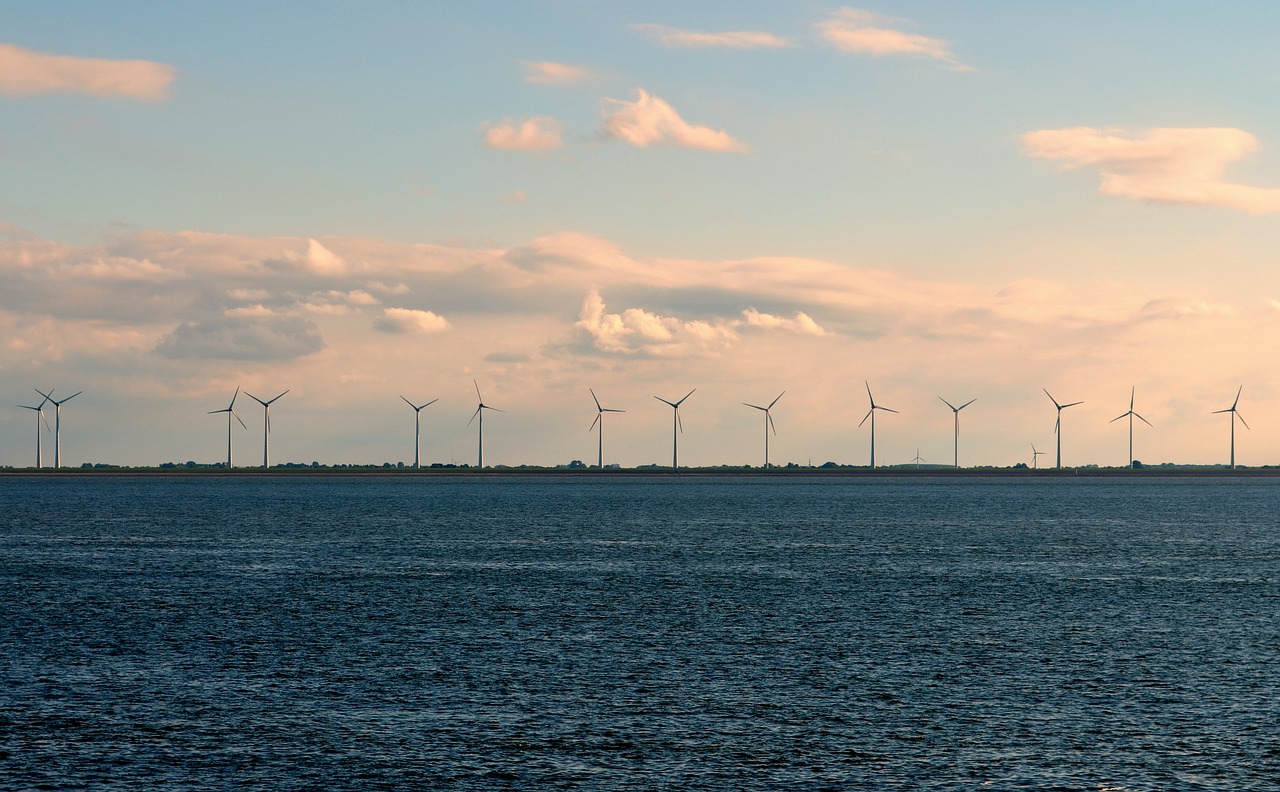
The Government of the State of Rio de Janeiro Awaits National Regulation Regarding Offshore Wind Energy and Green Hydrogen Projects and Plans to Utilize Its Established Oil and Gas Industry to Ensure Competitiveness in This New Segment.
The Department of Economic Development, Energy and International Relations of the Government of Rio de Janeiro held a meeting on Thursday, (07/07), with oil companies that intend to invest in the offshore wind energy and hydrogen sector in the state. In this way, the state government hopes for significant relevance in the region regarding projects in this new market and plans to leverage the fluminense oil and gas industry to boost investor attraction in the future.
Offshore Wind Energy and Green Hydrogen Will Be Major Markets for Rio de Janeiro in the Future and the State Government Prepares for Projects
The Brazilian energy market is preparing for a significant advance in the sector with offshore wind energy and green hydrogen projects in the coming years, and the Rio government intends to use its oil and gas industry to grow in the segment. Thus, the fluminense authority is projecting an investment of around US$ 85 billion in offshore energy generation in the coming years.
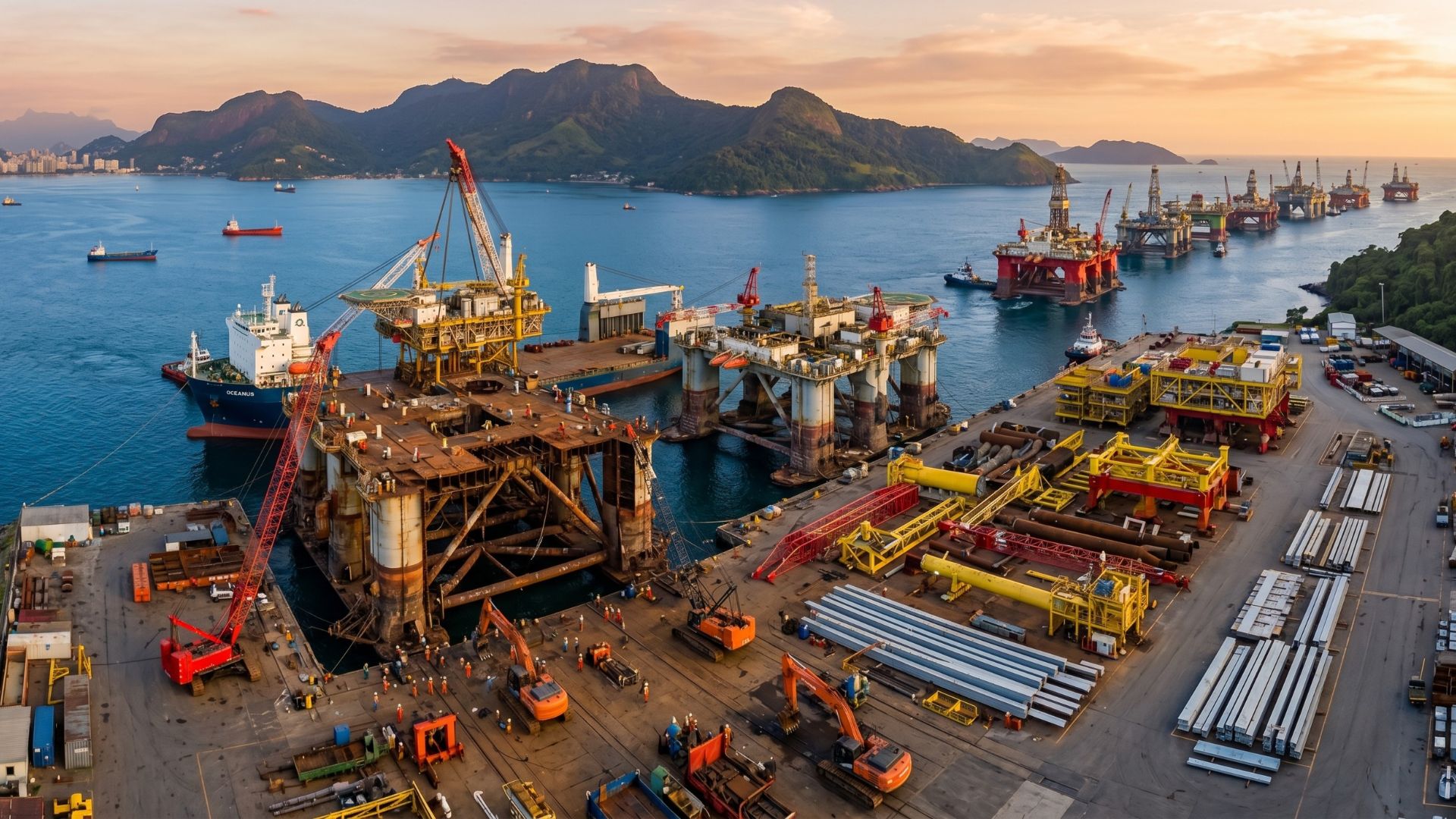
For this, the state government intends to create its own regulation aimed at projects of this type but is still awaiting the national regulatory framework before announcing its specifications. Currently, the state is one of the most attractive for green hydrogen and offshore wind energy projects. This is due to Rio’s infrastructure of highways, ports, gas pipelines, and proximity to major cargo centers, which would facilitate the installation of such enterprises.
-
More than 40 Petrobras platforms enter the decommissioning queue and open up a billion-dollar industry in Brazil for cranes, special ships, underwater cutting, and offshore recycling.

-
ANP schedules oil auctions in October and reinforces regulatory predictability for concessions, sharing, and investments in the oil and gas sector

-
There is oil below the oil that Brazil already extracts: Petrobras confirmed a new accumulation in the Búzios field, at a depth of 5,600 meters, in a zone below the reservoir already operating in the Santos Basin.

-
404 km off the coast of Rio de Janeiro, an oil company drilled 5,855 meters into the ocean and discovered the largest oil and gas reserve found in a quarter of a century.


Thus, the meeting of the Department of Economic Development, Energy and International Relations of the state government with companies BH2, BP, Equinor, Petrobras, and TotalEnergies this week ensured even closer relations with the oil companies for projects in this segment.
The Department presented studies on the potentials for offshore wind energy and green hydrogen production in the state and aims to attract companies to the region. According to government data, the state currently has nine offshore projects in the licensing phase at Ibama that total 27.5 GW of capacity but intends to expand these figures.
Rio de Janeiro’s Oil and Gas Industry Is the State’s Major Differentiator for Energy and Green Hydrogen Projects
During the meeting with companies from the oil and gas industry, the Department of Economic Development, Energy and International Relations of the state government discussed the main challenges for these companies and, according to them, the need for secure regulation is the biggest issue currently.
However, there is still a need to await the official national regulation, which is expected to be launched by the Federal Government later this year.
In addition, companies highlighted the possibility of evaluating financing mechanisms and tax incentives and greater speed in environmental licensing as a way to facilitate the installation of these projects. Thus, the government of Rio will need to ensure security and infrastructure for companies so that the offshore and hydrogen market can grow as projected.
Despite the requirements, the undersecretary of Oil and Gas in Rio, Daniel Lamassa, trusts in the established fluminense oil and gas industry to ensure the attraction of investments and emphasizes: “Rio has the significant advantage of having a very strong oil industry and shipbuilding industry. This will allow us to utilize specialized labor in the construction of support boats and logistics, as well as enable Petrobras, for example, to have offshore wind in its oil and gas concessions and to produce electricity for its platforms.”









Be the first to react!