Portuguese
  Spanish


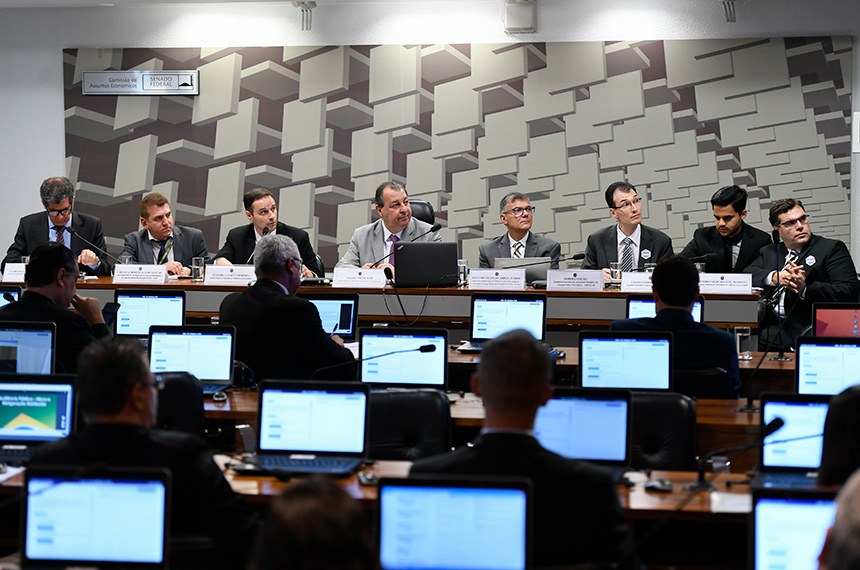

House Speaker Criticized Subsidies for Solar Energy and Said It Is Not About Taxing Solar Energy, It’s About Absurd and Unjustified Fees
A solution for solar energy that benefits lower-income consumers in relation to Aneel may come from the House Speaker, Rodrigo Maia (DEM-RJ), who advocated for an intermediate solution that will be presented in the National Congress in the new regulatory framework for micro and mini distributed generation: “Those who have more income will be able to adapt to the system, to participate in the system in a traditional way,” explained the deputy on the night of last Wednesday (5), to Globonews.
Also Read:
With a different speech about solar energy from the beginning of the year when he agreed with President Jair Bolsonaro’s criticisms of the Aneel proposal to change the rules for micro and mini GD, Maia stated that it is not about creating a new tax, but about organizing the system. “It has to separate what is taxing energy [and] what is transferring responsibility that is not of the captive taxpayer, of the 80 million taxpayers that exist today in the system. It is not possible to transfer the subsidy that the solar energy sector has been having in recent years to them,” he said.
-
Fired during apartheid and with a little borrowed money, an electrician started with a borrowed truck and transformed electrical services into a group connected to energy, real estate, and infrastructure in South Africa.

-
Wood has ceased to be just a construction material in Yale research and has become insulation for electrical transformers that face intense heat, aging, and increasing pressure from the renewable energy-powered grid.
-
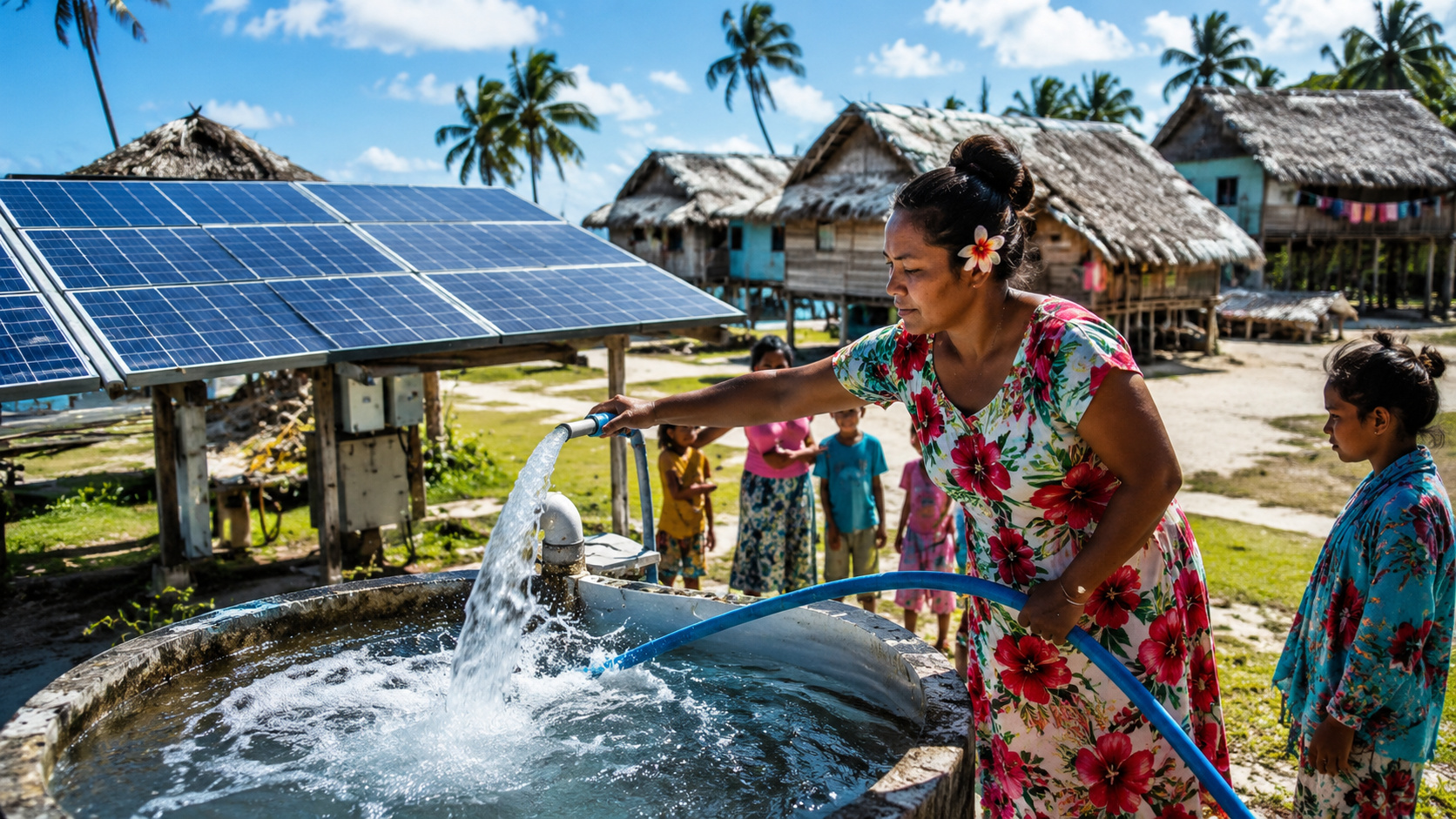
More than 1,000 residents of a remote island in Kiribati now have clean water and electricity with solar systems operated by the community itself.
-
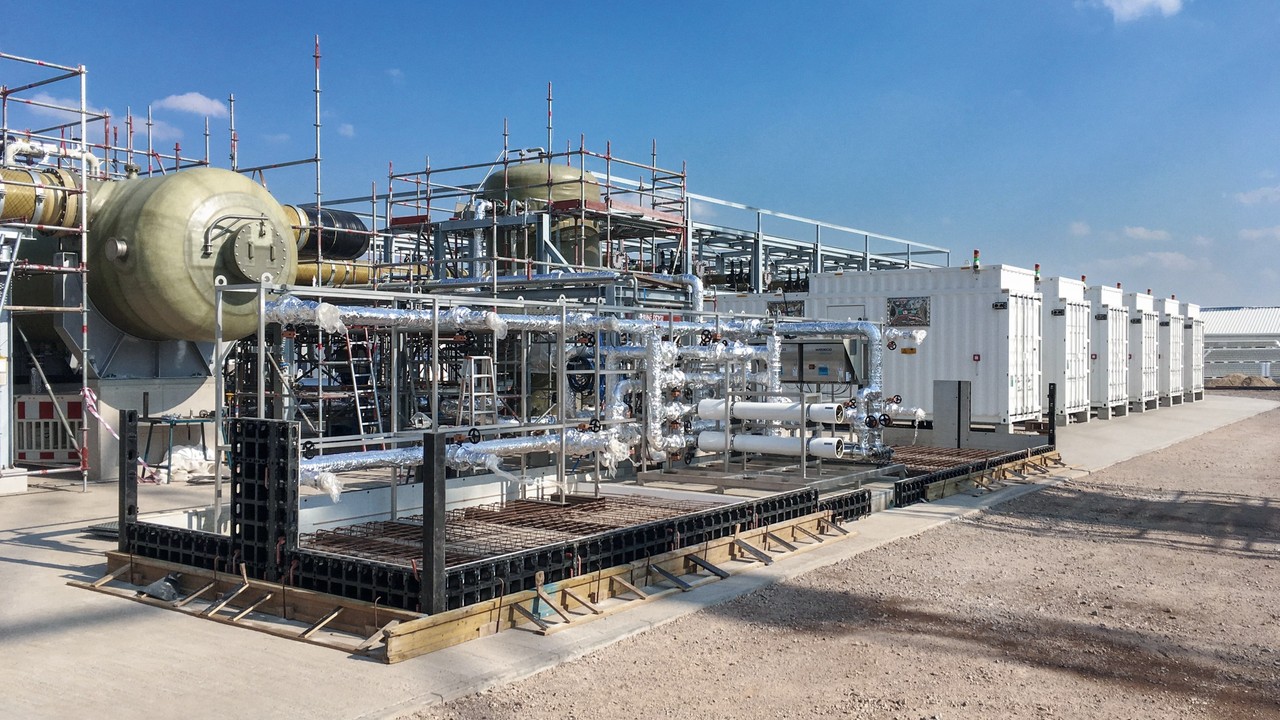
Ceará brings together 7 giants and R$ 66 billion to transform Pecém into the largest green hydrogen hub in Brazil, with final decisions expected by the end of 2026.

Parliamentarian
For the parliamentarian, if this subsidy were restricted to low income, no one would be discussing whether it is little or too much. He highlighted that the discounts included in the current system of compensation for energy injected into the grid benefit large solar energy producers in farms, who sell their production to the private sector. This gain would be 50% to 60% in the value of energy, as there is no payment for the use of the distribution network. “You receive energy at night but do not pay for being in the system, unlike what each of us pays,” he argued.
“The correct thing is that we should have the following rule: whoever is producing solar energy puts energy into the system at the price of the last auction. And when you consume energy from the distributor, you pay like any Brazilian pays,” Maia defended, later admitting that it is not easy at this moment to get a proposal like this approved. Therefore, there would have to be a transition. He advocated for changes, stating that “who will pay this subsidy, in one or two years, of R$ 5 billion, R$ 6 billion, are all Brazilians, including the poorer Brazilians.” “That is not fair,” he said.