






 Portuguese
  Spanish


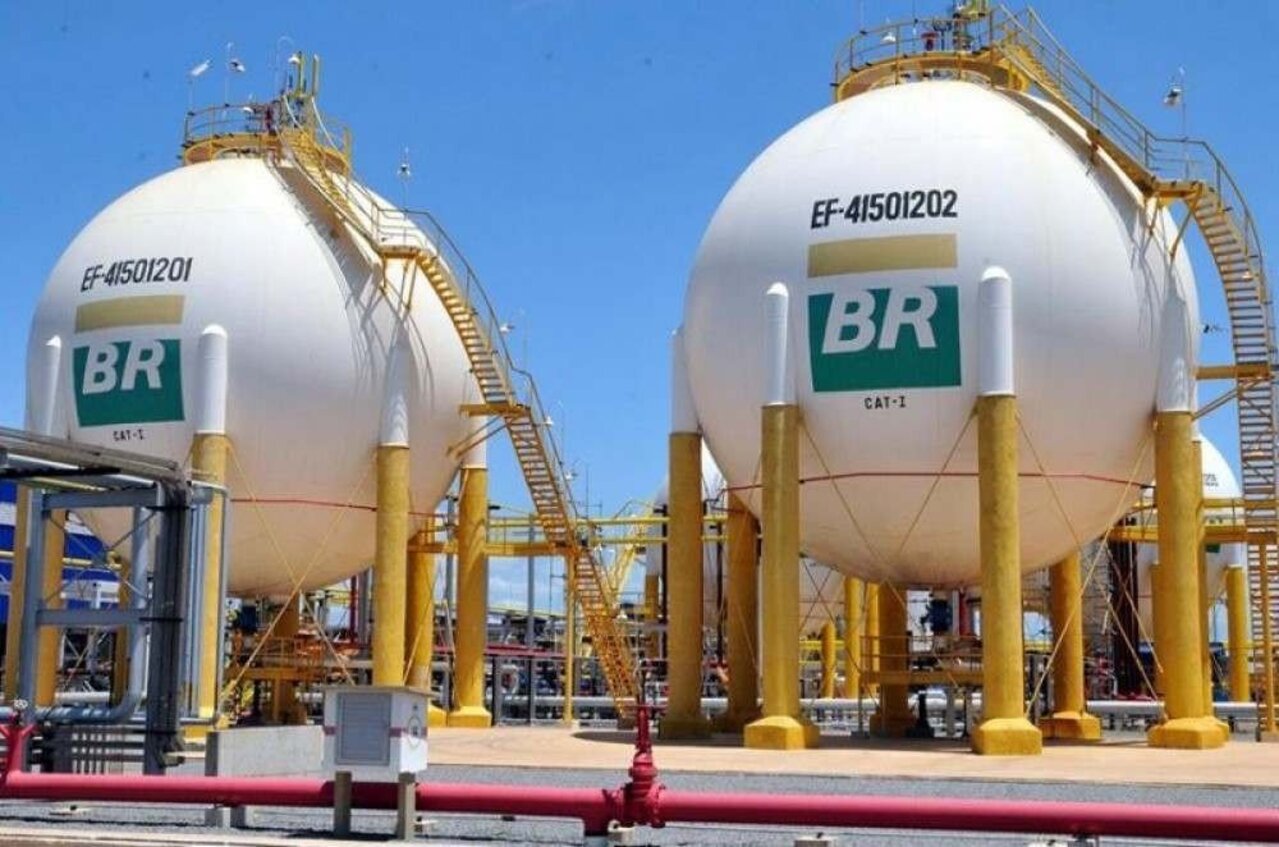

Was Signed by the Federal Government, the New Gas Law that Breaks Petrobras’ Monopoly
President Jair Bolsonaro signed the Gas Law on Thursday (8). This law, which is a new framework for gas, provides for changes in the rules of the natural gas market. After its approval, this new law has been one of the federal government’s main plans. Since 2019, the federal government has announced a program to eliminate Petrobras’ monopoly and unlock investments.
Read Also
New Gas Law Approved by the Federal Government – What Changes?
The new gas law recently approved by the federal government comes into effect nearly two years after the launch of the program that promised a “shock of cheap energy” with the end of Petrobras’ monopoly on natural gas.
The text of the Gas Law was approved by the National Congress in March. The bill became part of the New Gas Market program, aimed at modernizing the commercialization of the fuel in the country, launched in June last year.
-
Qantas and Airbus Invest in Company Aiming to Convert Unsorted Household Trash into Jet Fuel

-
Brazil to Issue “Panda Bonds” in China, Aiming to Raise Up to 5 Billion Yuan at Lower Interest Rates Than Dollar Debt
-
NATO Faces Internal Tensions as U.S. Pushes for Increased Defense Spending, Targeting 5% of GDP by 2035, with Warnings for Countries Near 2% Level
-
Brazil to Introduce B16 Diesel with Increased Soybean Oil Content for Trucks by 2026


Objective of the New Gas Law and the Federal Government Plans
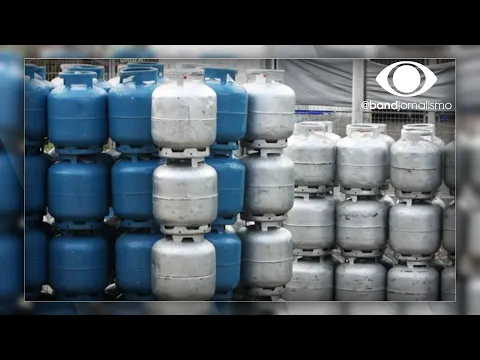

The gas law seeks to make it easier for private companies to enter the natural gas sector. This is due to changes in the way contracts are arranged, sharing existing structures with third parties through payments, among other factors.
The gas law also indicates that the construction of gas pipelines will no longer occur under the concession regime but rather under the authorization regime. Thus, the company wishing to build a gas pipeline only needs to request authorization from the National Agency of Petroleum, Natural Gas and Biofuels (ANP).
This breakup of Petrobras’ monopoly by the Federal Government also applies to the expansion, operation, and maintenance of the operations. According to the General Secretariat, the president did not veto the text approved by deputies and senators.
The Breakup of Petrobras’ Monopoly
For those who support the gas law signed by the federal government, the measure has been seen as a way to break Petrobras’ monopoly.
Moreover, supporters believe that the new law will attract competitiveness to the sector and that natural gas prices will fall.
Finally, in summary, for those against the Gas Law, these new regulations represent a dismantling of Petrobras’ monopoly in defense of the financial market, as reported by Agência Brasil. According to these individuals, there will be no reduction in gas or energy prices for the end consumer.







