






 Portuguese
  Spanish
 4 min of reading
  0 comments


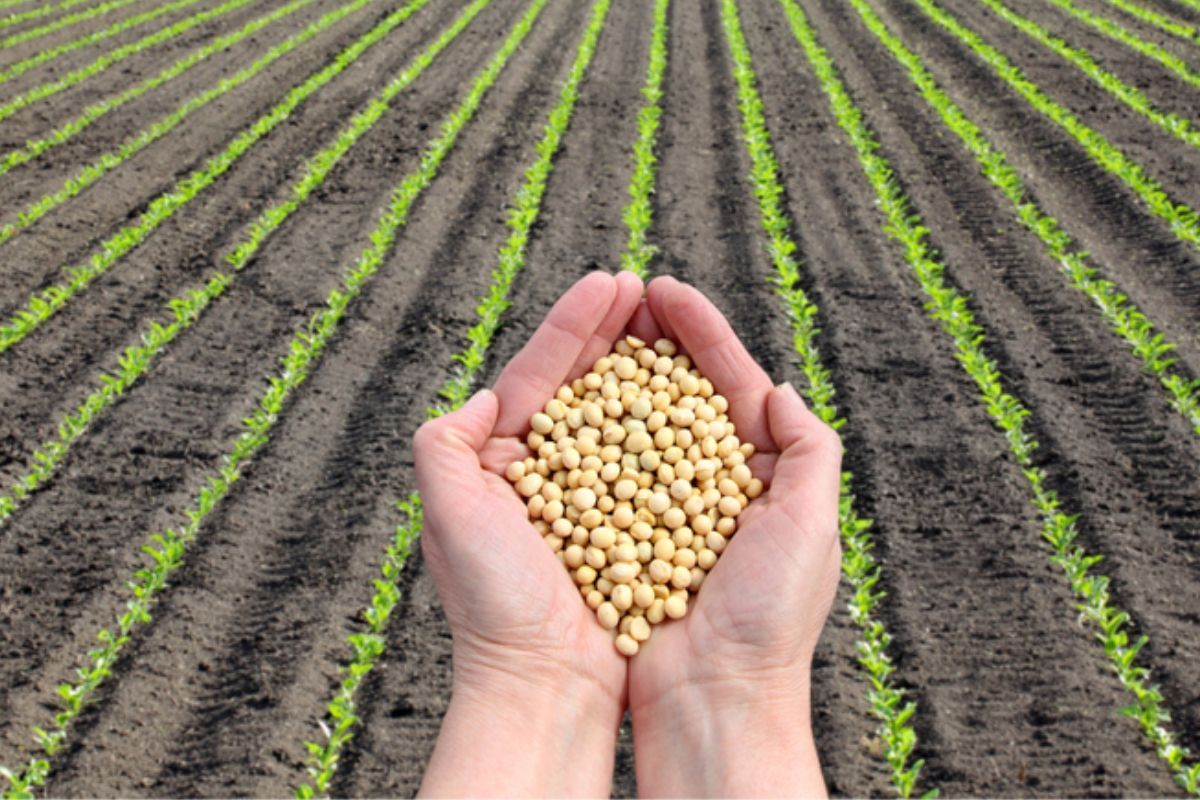
The Ministry of Agriculture and Livestock Announces the Next Phase of the Pilot Project Zarc Management Levels for Soybean in Paraná. Initiative Involves Embrapa, Rural Insurance, and Sustainable Cultivation Practices
Soybean in Paraná is gaining special attention with an innovative project that combines technology, sustainability, and risk management, according to a report published.
The Ministry of Agriculture and Livestock (Mapa) has scheduled for October the start of a new phase of the Agricultural Risk Climate Zoning at Management Levels (ZarcNM), designed especially for farmers aiming to cultivate more safely in the face of climate change.
This pilot project was developed by Embrapa and is based on a classification system that assesses the management level in each planting area.
-
After working as a waiter for ten years, he borrowed R$ 500 from his brother, created 40-minute lines with an açaí cart on the street, and today runs a farm with 600,000 trees in Pará and a network worth R$ 45 million.

-
A Brazilian inventor converts a regular motorcycle into an agricultural tricycle with a sprayer, dump body, and mobile workshop with a generator to assist small rural producers without a tractor.
-
The $9.9 trillion agriculture that feeds the 2026 World Cup with hamburgers in Dallas, tacos in Mexico, poutine in Canada, and food for 7 million fans

-
While almost everyone depends on the supermarket, Ângelo, 36, and his aunt Inês, 75, go to the market only to buy salt, coffee, and cleaning products; everything else comes from their own land in Casca, Rio Grande do Sul.

The objective is simple: to differentiate plots according to how they are managed, taking into account efficient and sustainable agricultural practices.
In practice, this means that properties can be classified into different categories, which will open doors to direct benefits, such as access to differentiated subsidy percentages in rural insurance.
For those who cultivate soybean in Paraná, this is an important opportunity to combine productivity, sustainability, and greater protection against climate risks.
How The Agricultural Management Classification Works
The classification proposed by ZarcNM divides areas into four levels, ranging from NM1 to NM4. This assessment occurs through six technical indicators.
Among them are the amount of calcium in the soil, the period without tillage, the presence of straw covering the ground, and the diversity of crops used.
To achieve the classification, the soybean farmer in Paraná needs to gather three types of information: basic data of the farmer and the area (with geolocation and usage history), data collected via remote sensing and geoprocessing, as well as physical and chemical analyses of the soil.
The samples need to be geo-referenced to ensure accuracy. These information is recorded in the Management Levels Information System (SINM), which is essential for validating the final classification of each property.
Caring for this step ensures that the results are credible and can be used as a basis for accessing rural insurance.
Role of Embrapa and Operators in the Project
Embrapa played a central role in developing the technical protocol that guides the entire application of ZarcNM. But the execution is not limited only to researchers.
The system is already being operated by accredited users, such as cooperatives, insurance companies, banks, geotechnology companies, and public agencies.
These operators are divided into three categories: contract, geoprocessing, and soil analysis. Additionally, there are sub-operators who help expand the project’s reach.
This collaborative model is strategic for soybean farmers in Paraná to access quality information and adequately classify their areas.
The involvement of these institutions also facilitates the integration process between agriculture, rural insurance, and sustainability, which are central points of this new phase.
Resources Allocated to Rural Insurance
One of the major attractions of this phase of the project is the financial incentive. Mapa will allocate R$ 8 million in subsidy for the rural insurance premium exclusively for soybean in Paraná for the 2025/2026 harvest.
Producers whose areas are classified at management levels will be able to access differentiated subsidy percentages, which can reach up to 35%.
This benefit is directly linked to the quality of management and the property’s history. The more sustainable and efficient the cultivation system, the greater the advantage for the farmer.
This investment shows how the project seeks to align financial security with good agricultural production practices.
Next Steps of the Pilot Project
The calendar has also been defined. By October 10, producers must have their areas validated in SINM.
Shortly after, on October 13, insurance companies must submit proposals to Mapa that meet the technical criteria defined by Embrapa.
This movement reinforces the goal of making soybean in Paraná better prepared to face climate risks, based on reliable information and sustainable practices.
The pilot project will serve as a model for future expansions, encouraging the use of technologies and care for the soil.







Be the first to react!