Portuguese
  Spanish





Reform Home Brazil Program Offers Financing of Up to R$ 30 Thousand for Renovations and Installation of Solar Energy, with Reduced Interest Rates, Digital Hiring, and a Term of Up to 60 Months.
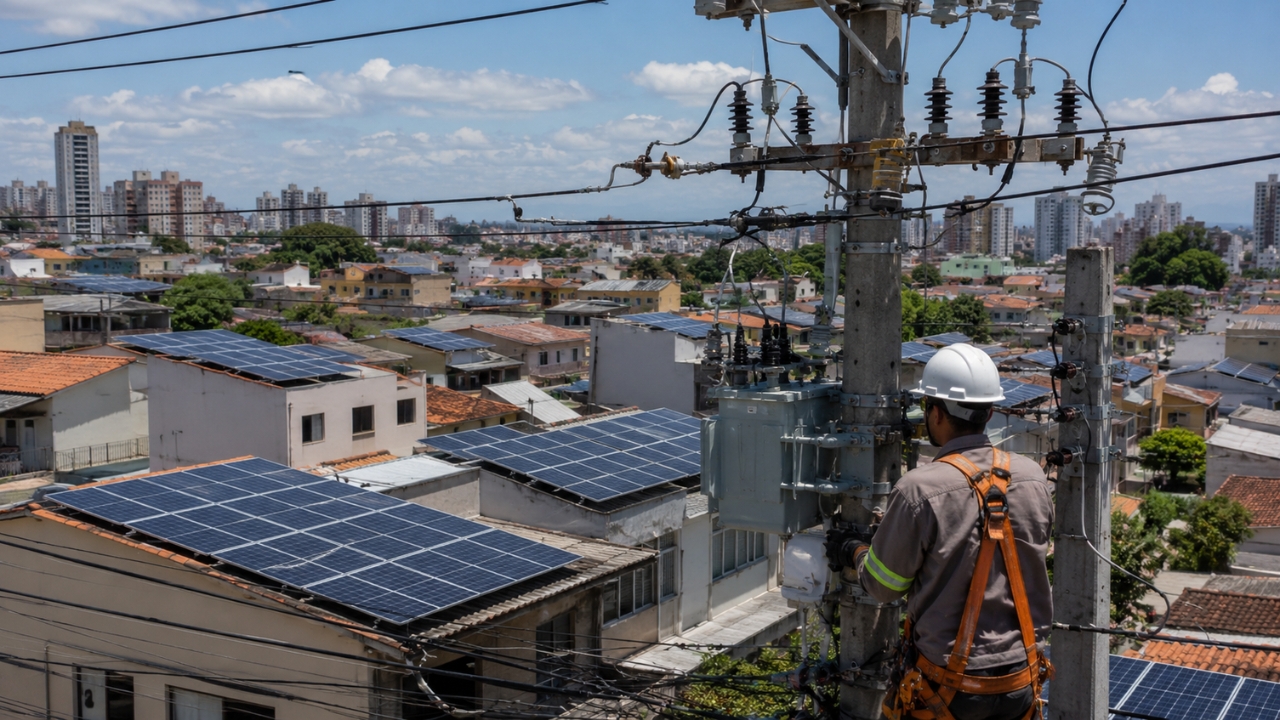
The federal government has expanded housing credit options by explicitly including the installation of solar energy among the financeable purposes of the Reform Home Brazil Program. The initiative allows families with a monthly income of up to R$ 9,600 to take out loans of up to R$ 30 thousand to renovate properties or install photovoltaic systems, with installments of up to 60 months.
The program is coordinated by the Ministry of Cities, in partnership with the Ministry of Finance and Caixa Econômica Federal. The proposal aims to address qualitative housing deficits while encouraging sustainable solutions, such as solar energy generation in urban residences.
Volume of Resources and General Conditions of the Program
Overall, the Reform Home Brazil Program provides R$ 40 billion in credit nationwide. The interest rates are considered accessible, with rates starting at 1.17% per month, varying according to the beneficiary’s income bracket. Additionally, the value of the installments is limited to 25% of the family income, which seeks to reduce the risk of excessive indebtedness.
-
World’s Largest Engie Solar Plant in Brazil Highlights Billion-Dollar Energy Waste Issue: Company Considers Batteries and Bitcoin Mining to Avoid Wasting Production

-
Over 60 Tractors Take to the Streets in Lopera as Solar Parks Compete with Olive Groves, Affecting 13,000 to 100,000 Trees According to Conflicting Reports

-
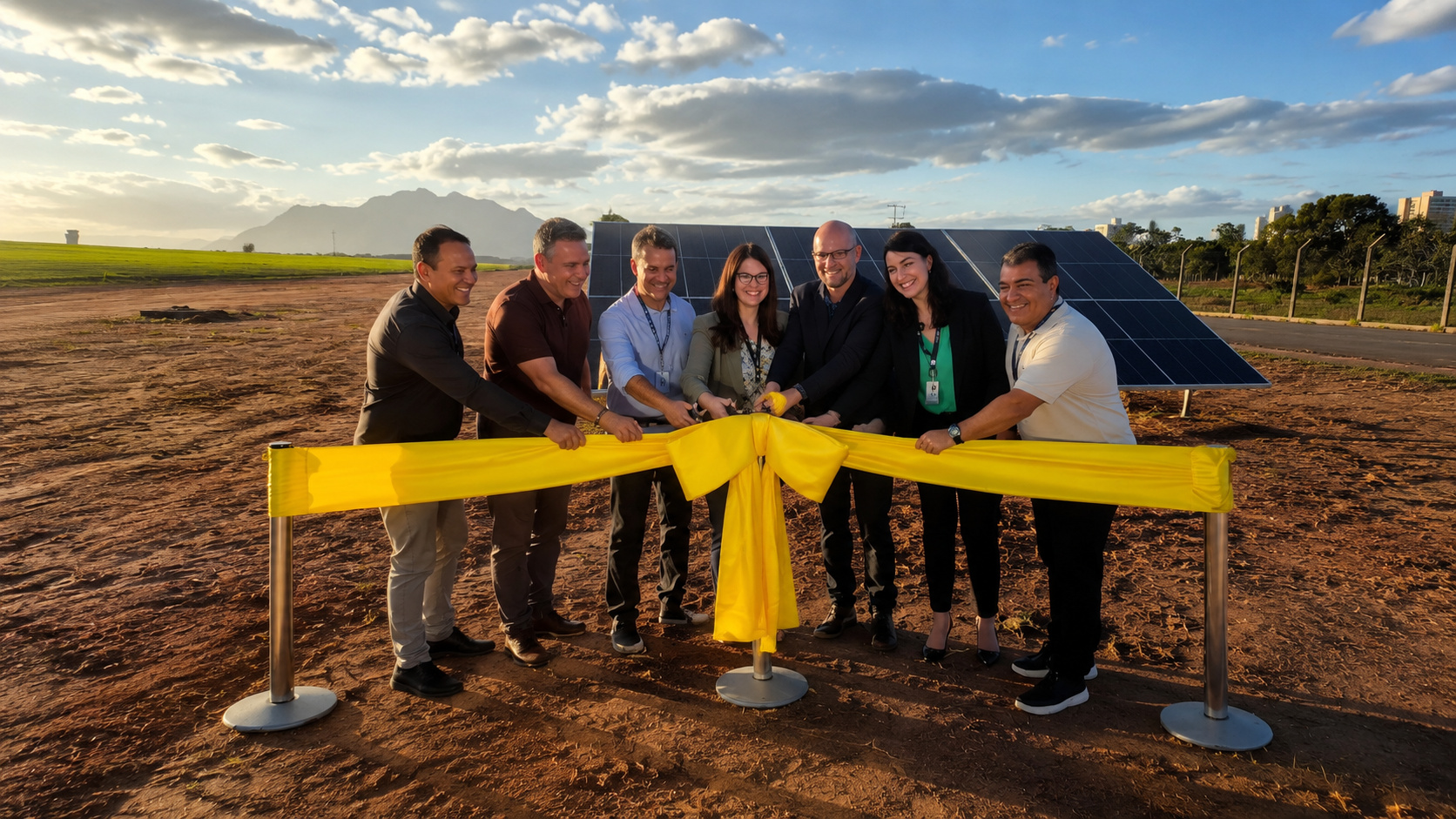
Brazil’s Vitória Airport to Launch Solar Plant Covering Area of 10 Soccer Fields, Boosting Clean Energy and Cutting Costs
-
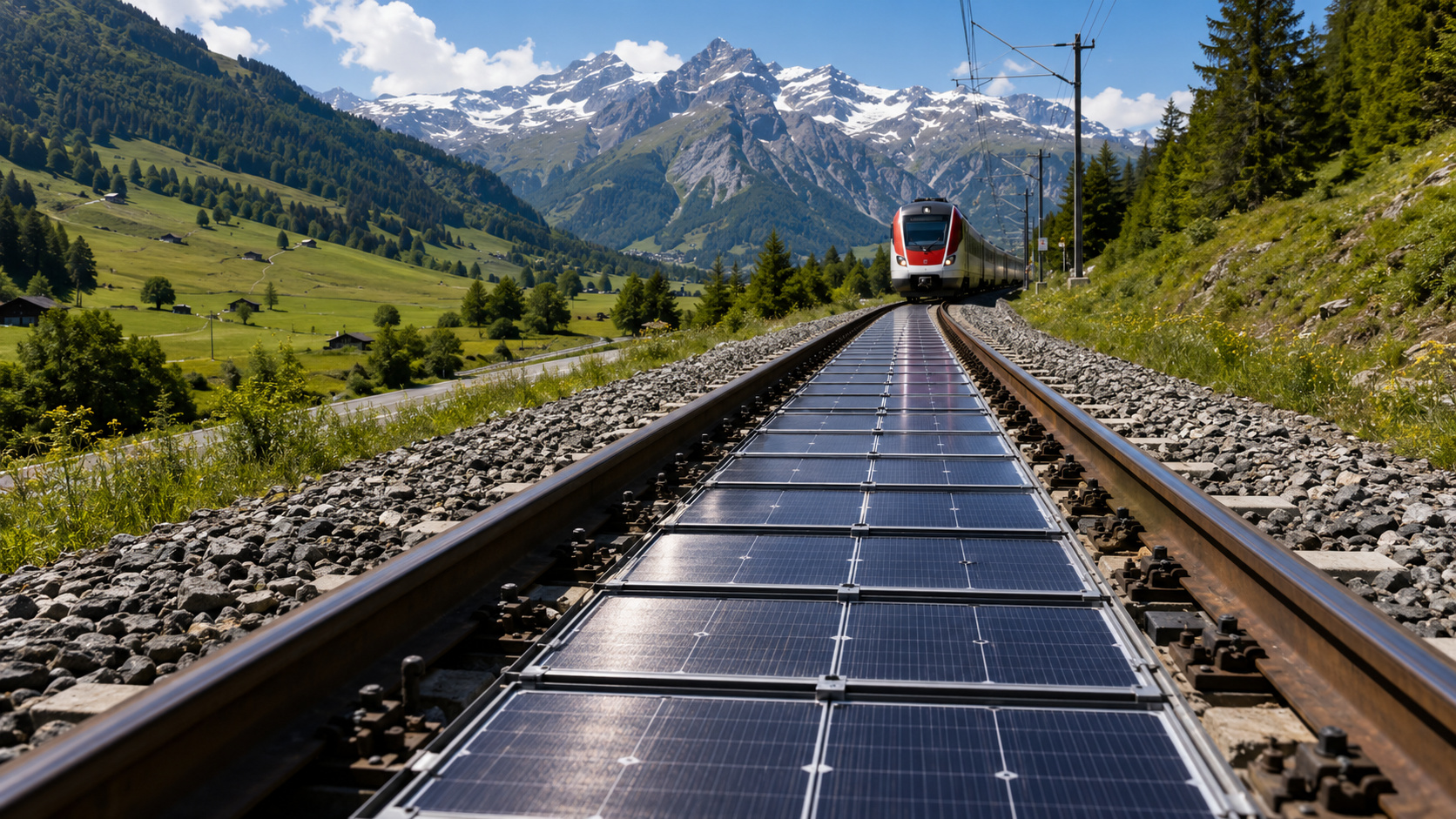
Switzerland Converts Train Tracks into Solar Power Plants with Removable Panels to Generate Energy Without Using Additional Land


The funds can be used for a range of housing improvements. These include small construction projects, bathroom construction or renovation, roof replacement, painting, room expansion, and increasingly, the installation of solar energy systems. This aspect has gained prominence in light of the quest to reduce electricity bills and increase energy efficiency.
Solar Energy as an Alternative to Reduce Household Expenses
The inclusion of solar energy in the program’s scope reflects a shift in the profile of housing policies. In addition to improving the physical structure of homes, the government now encourages solutions that directly impact families’ monthly budgets.
With the financing, the beneficiary can use the credit to purchase solar panels, inverters, and other necessary equipment for generating electricity. The expectation is that over time, savings on the electricity bill will help offset the value of the financing installments, especially in regions with high solar incidence.
Social Objective of the Program, According to the Ministry of Cities
According to the Minister of Cities, Jader Filho, the initiative focuses on families still facing some type of housing inadequacy. “It’s so that these families can make essential improvements, such as building a dedicated bathroom, renovating the roof, or adapting the structure of the house, ensuring a more dignified home,” he stated.
In this context, solar energy emerges as a complement to traditional renovations. In addition to providing comfort, the technology contributes to sustainability and reduces dependency on the conventional electricity network.
Digital Hiring and Monitoring of the Works
Another central aspect of the Reform Home Brazil Program is the digitization of the hiring process. The entire procedure occurs virtually, without the need to visit a Caixa Econômica Federal agency.
The interested party must access the bank’s website, choose the desired type of service, simulate the credit, and begin the application. To release the first installment, it is mandatory to send photos of the location where the renovation or solar energy installation will take place.
After the completion of the work and the purchase of materials, the beneficiary must prove completion through new images. Only after this step is the final installment of the financing released. The system tracks all phases, and in case of irregularities, the contractor may face penalties, including fines and inclusion in restrictive registries.
Income Brackets and Financing Limits
The program is divided into three income brackets, each with specific conditions. Brackets 1 and 2 serve families with a monthly income of up to R$ 9,600. In these cases, the financed amount varies from R$ 5 thousand to R$ 30 thousand, with interest rates ranging from 1.17% to 1.95% per month. The repayment term may vary between 24 and 60 months.
Bracket Reform 1 accommodates families with income up to R$ 3,200, with interest of 1.17% per month. Bracket Reform 2 serves incomes between R$ 3,200.01 and R$ 9,600, with a rate of 1.95% per month. In both brackets, the installment cannot exceed 25% of the family income.
Bracket 3 is intended for families with income above R$ 9,600. In this case, financing can reach up to 50% of the property’s value, respecting the maximum limit of R$ 1.125 million. The interest rate can go up to 1.95% per month, which may be lower depending on the credit analysis, with a repayment term of up to 180 months.


Source of Resources and National Scope
The first two brackets have R$ 30 billion from the Social Fund. Bracket 3 has R$ 10 billion from the Brazilian Savings and Loans System. The program is valid for families nationwide, as long as the property is located in an urban area.
With this, the government seeks to expand access to credit for renovations and the adoption of solar energy in residences, integrating housing policy, energy efficiency, and financial inclusion into a single initiative.