Portuguese
  Spanish


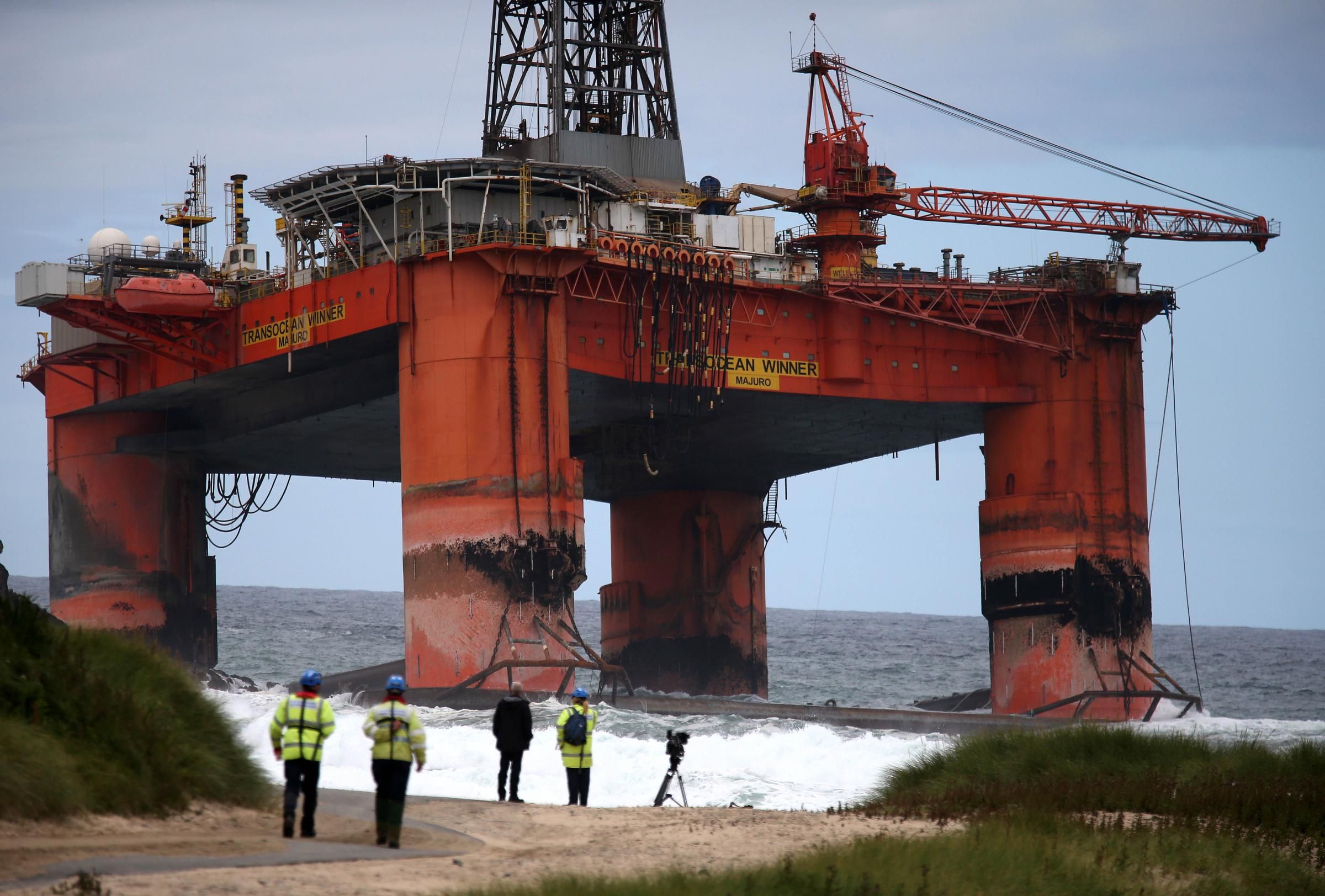

Enormous Volumes of Hydrocarbons Discovered Around the World Are Currently “Trapped” in the South Atlantic Oil Fields According to a Study by Westwood Global Energy Group.
The consultant identified 119 oil fields with hydrocarbons in this category that were found between 2008 and 2016 with 11 Bbbl of oil and 36 Bboe of gas, but are currently not progressing toward development, including Brazil, Angola, and the Falkland Islands in the South Atlantic. These volumes, which cost about US$ 24 billion to discover and with a combined value of US$ 65 billion, represent 40% of the proven reserves in high-impact discoveries during this period.
Read Also
- Oil Market Heats Up and 400,000 Jobs Expected to Be Created
- Petrobras Drills Well and Identifies Hydrocarbons in the Pre-Salt Campos Basin
- Petrobras Detects Hydrocarbons in Peroba
- National Agency of Waterway Transportation Reports That Ports and Navigation Remain Operational
Oil Fields Stagnant with Hydrocarbons
Westwood’s Hydrocarbon analysis shows that the largest volume of ‘stagnant’ gas is in the Ruvuma-Rufiji basin off the coast of Mozambique and Tanzania, where 166 tcf were proven between 2010 and 2015, yet only 38 tcf showed any signs of progression.
Brazil has the largest reserve of oil/condensate idle with hydrocarbons, with 3.8 Bbbl spread across 19 high-impact oil fields discovered in five geological basins.
-
Oil production grows in Rio, but reserve replacement raises a warning sign

-
Petrobras is expected to complete the drilling of the Morpho well in the Foz do Amazonas in August 2026, the first well in the Equatorial Margin, an oil frontier that the ANP estimates at more than 30 billion barrels and could redraw the map of Brazil.

-
Oil returns to the center of concerns with tension between the US and Iran

-
IEA reduces forecast for global oil demand in 2026 after impacts of the Middle East crisis
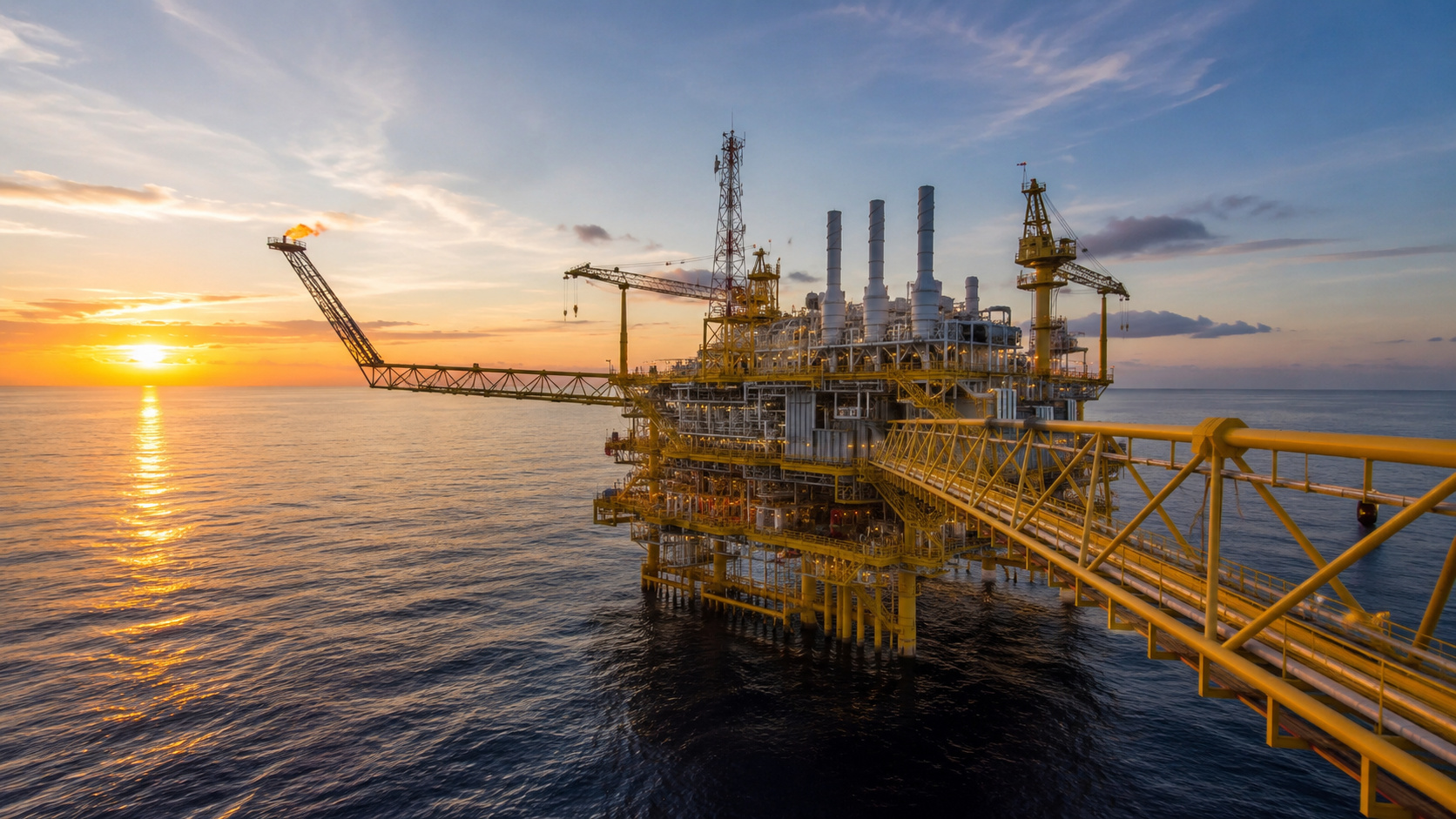


Elsewhere, 3 Bboe of oil and gas remain in the subsurface of the Kwanza and Lower Congo basins in Angola; 14 tcf of discovered gas remains untouched in the Browse and Carnarvon basins off the west coast of Australia; and over 500 MMboe are idle in Nigeria, Malaysia, Gabon, Vietnam, Romania, Cyprus, Canada, the Falkland Islands, and the US.
Fiscal Regime Impedes Distribution
According to the oil field consultant, there are 26 factors that contribute to this state of affairs with hydrocarbons. The main impediments are the fiscal regime/gas terms in the host country, along with access to financing and portfolio prioritization. Subsurface factors include fluid composition, reservoir quality, and compartmentalization.
Off the coast of Tanzania, 14 discoveries of oil and gas fields in deep waters grouped in five potential developments are going nowhere due to prolonged negotiations with the government regarding gas terms and reservoirs being more compartmentalized than off the coast of Mozambique to the south – with lower resource densities and higher development costs. In the Santos basin in Brazil, six discovered oil fields are affected by subsurface issues.
Jupiter, from Petrobras, for example, has large volumes of associated CO2, although new CO2 handling technologies are being tested in the Mero field in the Libra Block. Graeme Bagley, head of Global Exploration and Evaluation at Westwood, also cited discoveries in the pre-salt Dolomita Sul, Bigua, and Bem-Te-Vi, all smaller than average in the play due to the smaller trap size and low reservoir quality. Petrobras has since abandoned these fields.
In the Kwanza oil fields, the discovered hydrocarbons contain ~ 50% gas, and operators only received rights to the gas since 2018 under production sharing agreements. Several actions can be taken to reduce the accumulation of stranded fields, Bagley suggested.