Portuguese
  Spanish


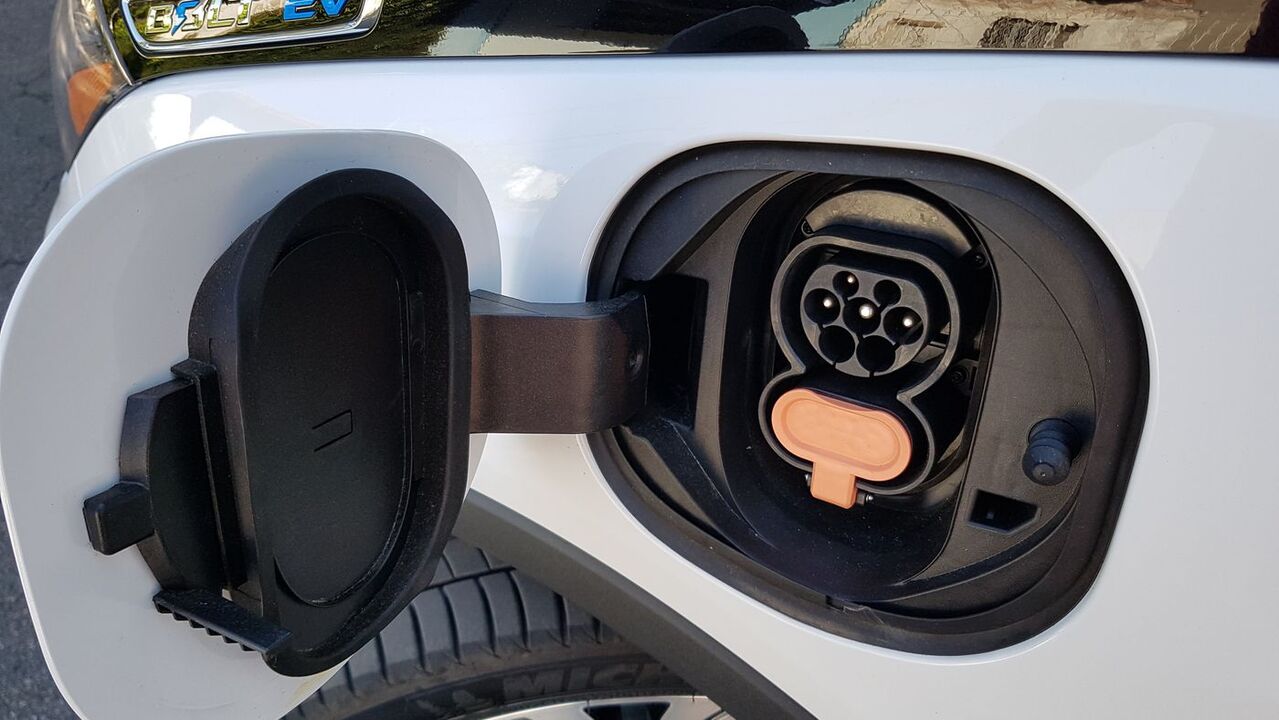

GM’s ‘Perfect’ Battery Promises to Change the Way Consumers Look at Electric Cars
This week, General Motors (GM) announced a partnership with the startup SolidEnergy System (SES) to manufacture a new line of batteries for electric vehicles. These new models are lighter, promising greater range and perfectly fitting the conditions that an electric car demands.
Read Also
Forecast to Build a Production Line for New Batteries
According to GM, SES technology will enhance the energy density of lithium-ion batteries and assist in the mass adoption of electric vehicles. Thus, the companies will build a production line for a prototype by 2023.
Competitive Advantage of SES and GM Over Tesla
The battery produced by SES uses materials with safety comparable to the lithium-ion batteries found in smartphones and other devices. SES designed a “no-anode” lithium-metal battery that is twice as energy-dense, allowing for the production of lighter electric vehicles with much more spacious interiors for additional features. GM also states that the new battery models will be designed to cost 60% less than the current ones by the middle of this decade.
-
Latin America’s Largest Port Invests $400 Million in Rail System with Trains Up to 2.4 Kilometers Long
-
New Smart Radar Begins Issuing Fines to Solo Drivers in Carpool Lanes, Uses Cameras to Count Occupants, Changing Traffic Enforcement Rules on Busy European Roads

-
Why can the crane operator only obey the correct signalman on the construction site: among dozens of workers, a hand raised by the wrong person can confuse the maneuver and turn a load of tons into an immediate risk.
-
What changes with the new public transportation rules that can reduce pressure on fares and pave the way for zero fare in Brazil?


For experts, the new technology from SES and GM gives the automaker a competitive edge over Tesla. Currently, Elon Musk’s company produces the cheapest lithium batteries for electric vehicles.
GM Is One Step Closer to Transition
The recent announcement is another step for GM in the shift to electric vehicles. Previously, the automaker revealed plans to launch 30 electric vehicle models globally by 2025.
It is estimated that it will stop selling light vehicles with combustion engines by 2035. The automaker is investing US$ 27 billion in the development of electric and autonomous vehicles, in an effort to further accelerate this transition process.