Portuguese
  Spanish




Qell Acquisition Corp Intends to Invest in Ethanol Vehicles, as Other Automakers Are Targeting Investment in the Electric Car Market
The American group Qell Acquisition started last Thursday (7) a billion-dollar bet on ethanol vehicles, challenging the electric car automakers of the global automotive industry. The company opened a subsidiary in São Paulo, named Qell Latam Partners, aimed at initially acquiring some companies in the automotive supply chain in Latin America, which are valued between US$ 500 million and US$ 3 billion.
Read Other Related News
Qell’s Plans in Latin America May Boost Sales of Ethanol-Powered Vehicles and Leave Electric Cars Behind
Qell went public on Nasdaq in the United States in mid-2020, but only recently did the company join with the developer of electric vertical takeoff and landing aircraft, Lilium, involving around US$ 3 billion.
For its new project, Qell has gathered partners: former GM International president, Barry Engle; former president of Nextel and Via, Francisco Valim; and Carlos Zarlenga, former GM president in South America.
-
Rolls-Royce Turns Heads with 30-Inch Floating Wheels, 6.6-Liter V12 Engine, and 563 Horsepower

-
2019 Kia Sportage EX: A Spacious and Cost-Effective SUV with 2.0 Flex Engine and Panoramic Roof
-
Fiat Strada Becomes Top Seller in June, Surpassing Onix, Polo, Hilux, and T-Cross with 107 HP Engine and 732 km Range.

-
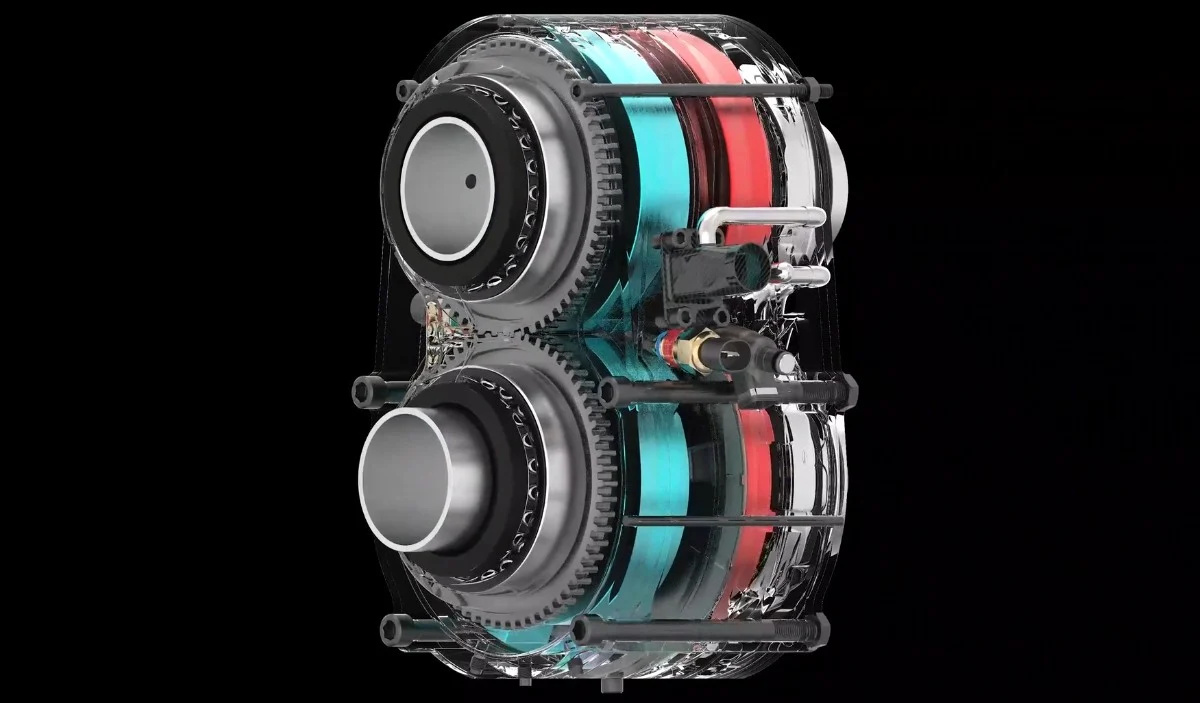
Suitcase-sized hydrogen engine spins at 25,000 rpm, nearly doubling the efficiency of conventional cars and replacing exhaust smoke with water vapor


They believe that Latin America is being left out of the map regarding the next generation of investments in the global automotive supply chain, considering that disruptions have been caused due to the rapid migration to electric cars, leading manufacturers to prefer other regions.
The Devaluation of Latin America for the Automotive Market
Francisco Valim, in an interview with Reuters, referenced Ford, which ended its production operations in Brazil, using a ‘global restructuring’ as an excuse, while continuing to invest heavily in electric cars, both in Europe and in the United States.
General Motors, Stellantis, and other automakers have publicized their ambitious plans aimed at partially transforming their automotive models into electric cars in Europe by 2030, given government pressure to reduce emissions of pollutants to the planet. However, here in Brazil, this transition will occur at a slower pace. According to the consulting firm McKinsey, it is estimated that only 30% of the circulating fleet in Brazil will be electric cars by 2030.
Moreover, for Valim, this reduction of global investments in Latin America opens up significant opportunities to explore regional strengths, as well as the appreciation of the fleet of ethanol-powered vehicles, or flex models. It is certain that this technology will still be dominant for many years.
Valim believes that automakers are not focused on developing viable alternatives with existing and easily accessible technologies, and refers to the total investment in electric cars as a mistake. Valim considers investment in ethanol vehicles to be important as well, seeking ways to minimize gas emissions.
Execution of Qell’s Plans in Brazil Still for 2021
Qell has mapped out 120 companies in the Latin American automotive supply chain that could become investment targets. According to Francisco Valim, investment in the automotive sector will be the entry point for Qell’s presence here in Latin America, but the company is considering entering other sectors of the industry related to mobility.