





 Portuguese
  English
  Spanish
  3 min of reading
  0 comments


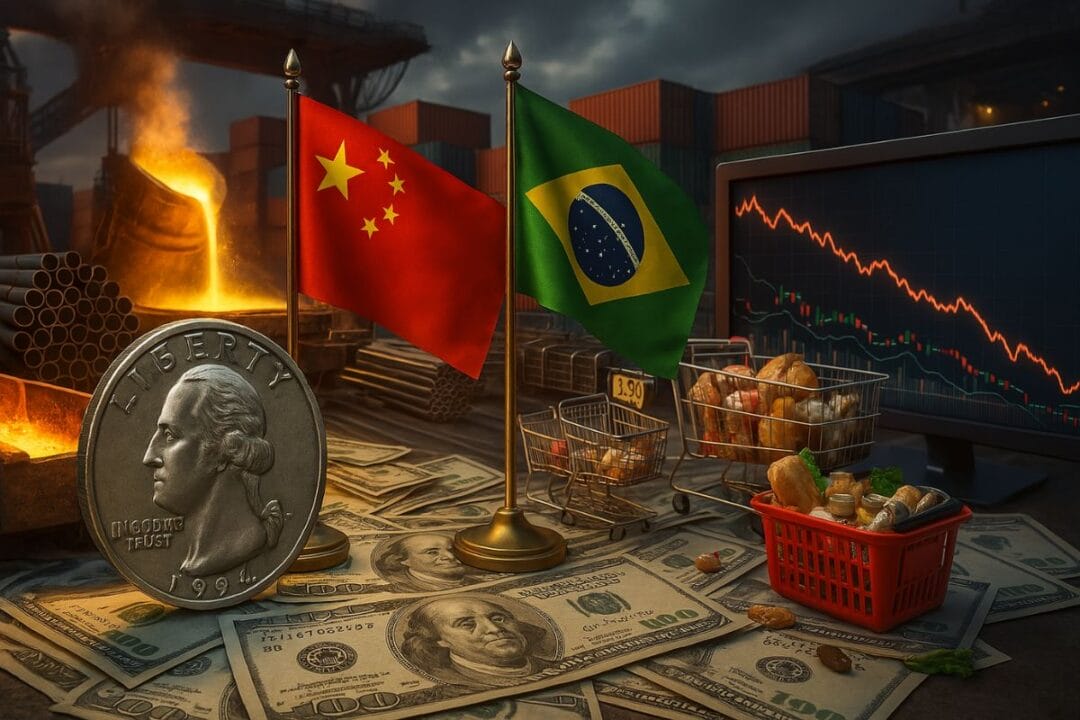
Economic Powers Clash in Brazil With Direct Impacts on Energy, Dollar, Jobs, and Food. Understand What’s at Stake
The trade war between the United States and China may seem distant, but it is already affecting your wallet. Tariffs, import quotas, and protectionist measures create a domino effect that hits Brazil hard, especially in areas like exports, agribusiness, heavy industry, and exchange rates.
Even if you don’t follow economic news, know this: this global dispute is already affecting food prices, imported goods, investments, and even the employment level in the country.
What Is a Trade War and Why Does It Worry Brazil?

The trade war began with measures taken by the Donald Trump administration, which imposed tariffs of up to 25% on products from China. In response, other countries, including China itself, levied taxes on American items, creating a climate of global instability.
-
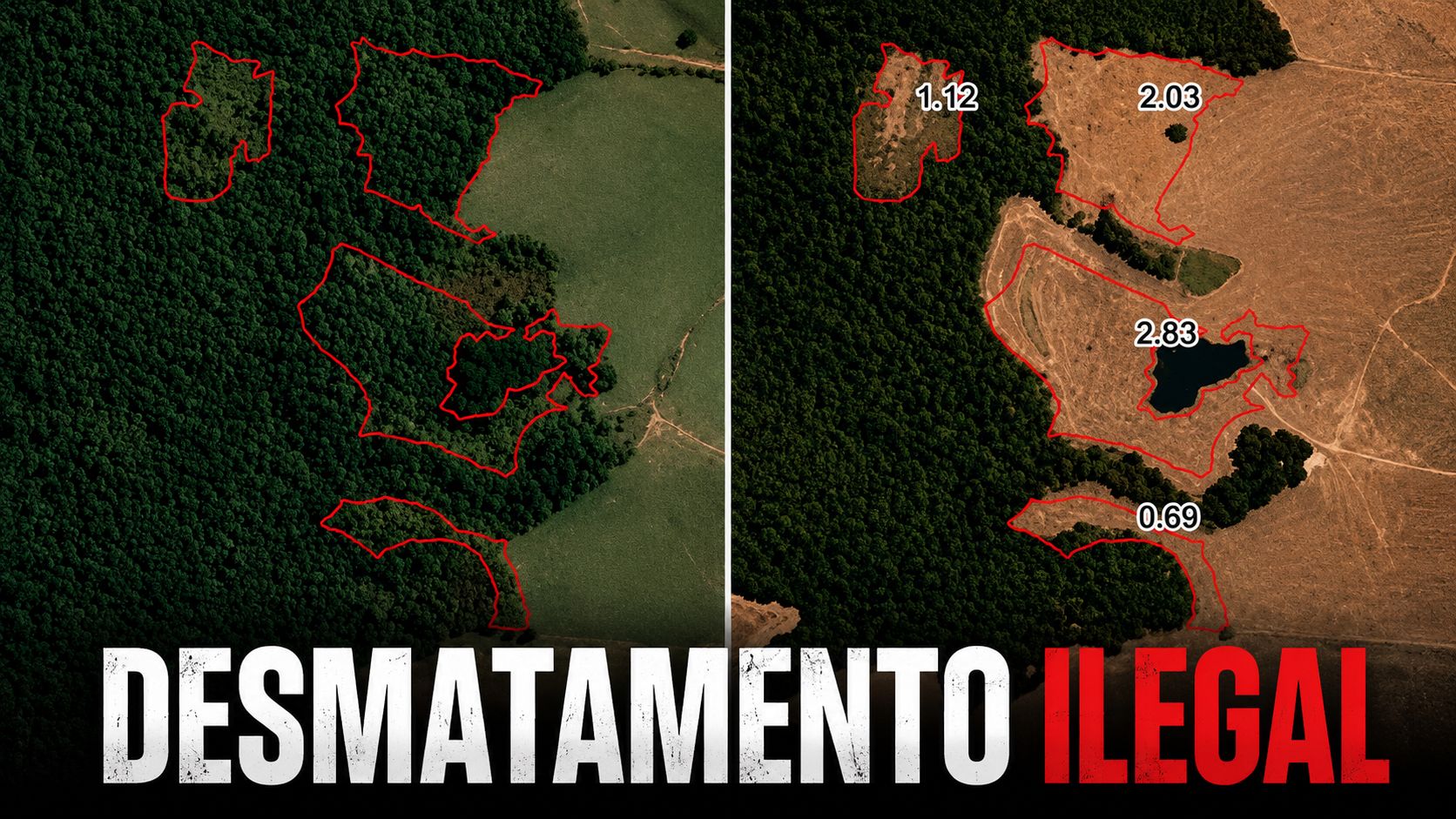
Satellite images reveal illegal deforestation in Paraná, showing more than 10.3 hectares of native forest destroyed in Lapa, resulting in the owner receiving a fine of R$ 109,000.

-
State government launches an unprecedented plan against marine litter with 45 goals, actions for 10 years, and a priority to reduce plastics that already appear on 100% of the beaches analyzed on the Brazilian coast.
-
Correios prepare a new layoff plan for up to 7,000 employees amid the crisis: the plan is expected to target employees from units that will be closed during the company’s restructuring.

-
Retirement no longer covers the bills for millions in Brazil: the number of elderly people working has increased by 53% in ten years, exposing the harsh reality of those who need to remain active after 60.



In Brazil, the impact was direct: exports to the USA began to be taxed at 10% and, in the case of steel, the tariff reached 25%. This reduced the competitiveness of Brazilian products abroad and raised the red alert in strategic sectors.
More Expensive Products and Unstable Dollar: The Impact on Daily Life
With less space to export, many Brazilian companies prioritize the domestic market. This can cause increases in food and industrial goods prices. Additionally, global instability leads investors to seek safety in the dollar, which pressures the exchange rate and raises import costs.
You feel this at the supermarket, in the prices of electronics, medications, auto parts, and even international tickets. A simple tariff imposed on a country on the other side of the world can make Argentine wine or the cell phone you wanted to buy more expensive.
Trade War Affects Jobs and Discourages Investments
With trade barriers, Brazilian exporting industries may reduce production, and with that, the number of jobs. The uncertainty scenario also makes long-term investments difficult, especially when there is a risk of competition with products from countries redirecting their exports to Brazil.
Chinese companies, for example, facing barriers in the USA, may seek space in countries like ours, which increases competition with domestic products.
But Can Brazil Also Benefit?
Yes. Despite the risks, the trade war also opens opportunities. If China buys less American soy, it may increase imports of Brazilian soy. Brazilian products may also gain market share in the USA if they are cheaper than Chinese products with tariffs.
Moreover, with the devalued real, our exports may become more competitive in other countries. This is a chance to diversify markets and reduce dependence on the USA and China.
What Lies Ahead?
There are still no clear signs that the trade war will end. Even with changes in government in the USA, tensions persist. Brazil needs to observe the scenario carefully, seek balanced trade agreements, and protect sensitive sectors of the economy, such as energy, logistics, agribusiness, and basic industry.


Be the first to react!