






 Portuguese
  Spanish





Revenue Drop, Billion-Dollar Loss and Strategic Restructuring Put Harley-Davidson Under Pressure Amid Tariffs, Sales Slowdown and Changes in Global Consumer Profile.
Harley-Davidson ended the fourth quarter of 2025 with a significant drop in revenue and an increased loss.
The company reported revenue of US$ 496 million for the period, a decline of 28% year-on-year, and a net loss of US$ 279 million, more than double the negative result recorded in the same quarter of 2024.
The data is included in the balance sheet released to investors and was reported by international agencies.
-
Rolls-Royce Turns Heads with 30-Inch Floating Wheels, 6.6-Liter V12 Engine, and 563 Horsepower

-
2019 Kia Sportage EX: A Spacious and Cost-Effective SUV with 2.0 Flex Engine and Panoramic Roof
-
Fiat Strada Becomes Top Seller in June, Surpassing Onix, Polo, Hilux, and T-Cross with 107 HP Engine and 732 km Range.

-
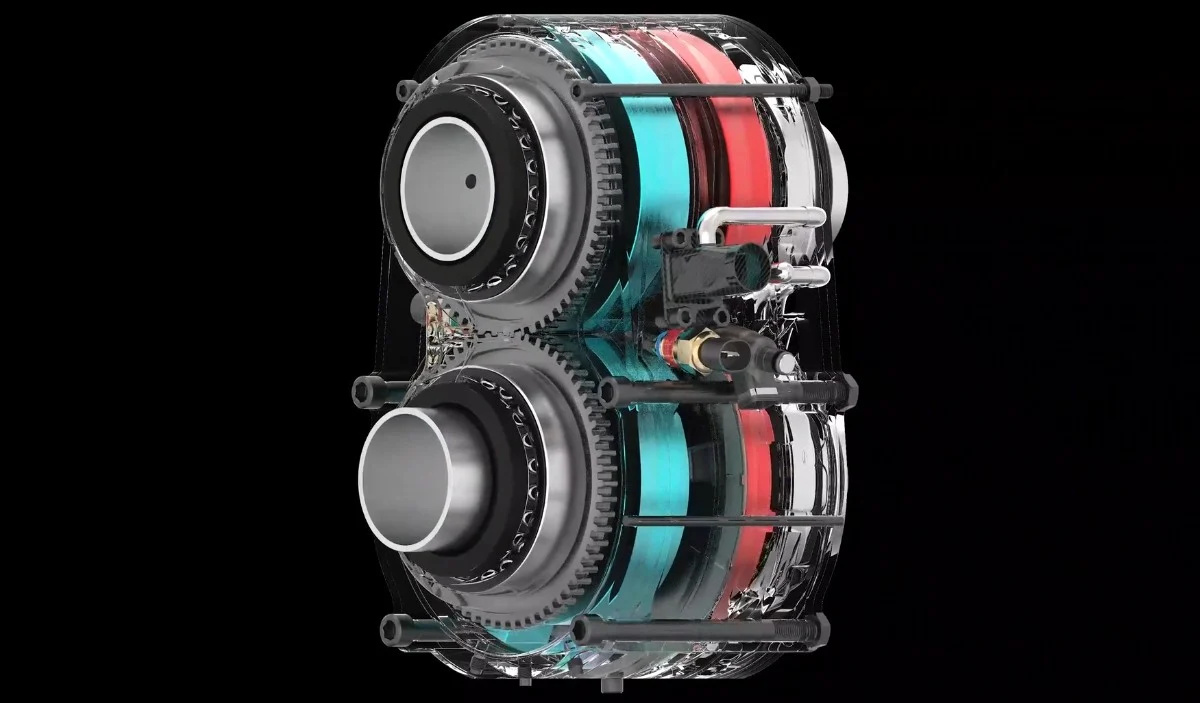
Suitcase-sized hydrogen engine spins at 25,000 rpm, nearly doubling the efficiency of conventional cars and replacing exhaust smoke with water vapor


For the entire year of 2025, consolidated revenue fell by 14% compared to the previous year.
Although the year ended with a net profit of US$ 339 million, the performance in the last quarter pressured the overall result and reinforced the scenario of declining sales.
Sales Decline and Pressured Margins in the Motorcycle Sector
According to the corporate report, the motorcycle division experienced a 10% reduction in quarterly revenue.
The financial services area saw a decline of 59% during the period.
Global motorcycle shipments fell by 16% in 2025 compared to 2024.
In retail, global sales declined by 12% for the year, according to the company itself.
In addition to the drop in volume, the annual gross margin was 3.8 percentage points below that recorded in 2024.
The fourth quarter ended with a consolidated operating loss of US$ 361 million.
Executives attributed part of the pressure to the macroeconomic environment.
In a conference call following the results announcement, Chief Financial Officer Jonathan Root stated that global retail has been operating in a volatile environment since mid-2024, with persistent inflation and high interest rates affecting purchasing decisions.
Impact of Tariffs and Semiconductor Costs
Another cited factor was the impact of tariffs on imported components.
According to Reuters, new tariffs cost US$ 22 million just in the fourth quarter and totaled US$ 67 million throughout 2025.
Harley-Davidson stated that about 75% of the components of its motorcycles are sourced from North America.
Nevertheless, semiconductors and other strategic parts continue to be imported, keeping the company exposed to regulatory and exchange fluctuations.
In market communications, the company did not detail specific projections for reducing this impact in the short term.
Strategy Focused on Higher-Value Models
In recent years, the manufacturer has intensified its focus on higher-value motorcycles, such as touring and custom models, which traditionally have higher margins.
A report from Reuters noted that this strategy aimed to compensate for volume reductions with higher prices.
Recent figures, however, indicate that demand has also declined in this segment.
The company has not released detailed breakdowns by price range but confirmed a decline in global shipments and total retail.
Entry-Level “Sprint” Motorcycle Expected in 2026
As part of the reorganization, Harley confirmed plans to launch a lower displacement and more affordable motorcycle called “Sprint,” expected in 2026.

This information was mentioned by Reuters as an attempt to broaden the consumer base.
So far, the company has not presented technical specifications or pricing positioning for the new model.
The commercial impact is expected to occur only after the launch, scheduled for next year.
In public statements, the management classified 2026 as a “transition year.”
According to the company, broader strategic changes will be detailed throughout the year, including adjustments to the product line and relationships with dealerships.
Operational Adjustments and Stock Market Reaction
The management stated that it is taking measures to stabilize the business and align production with retail demand.
In a document filed with the SEC, President and CEO Artie Starrs declared that the company seeks to restore confidence in its dealer network and align wholesale volumes with actual sales.
In the financial market, the shares recorded a slight increase after the release of the strategic plan, following a drop in pre-market trading.
Reuters attributed the movement to expectations that the company would provide clearer guidelines for recovery throughout 2026.
Status of LiveWire Electric Division
In 2025, LiveWire reported an operating loss of US$ 75 million, a figure that management stated is within internal projections.
The company also reported shipments of electric motorcycles during the period.
So far, there has been no official announcement regarding the closure of the electric division’s activities.

The structural separation of LiveWire had already been communicated previously as part of the corporate strategy.
Recent financial data shows a significant decline in revenue, volume, and margins, while the company announces restructuring and a new product positioning for 2026.
In light of this scenario, the market will watch whether the expansion of the offering to more accessible segments will be enough to reverse the downward sales trend and recover profitability in the coming quarters.







Harley se acomodou, e perdeu o foco da necessidade de ter um mix de produtos que geram mais rentabilidade.