






 Portuguese
  Spanish


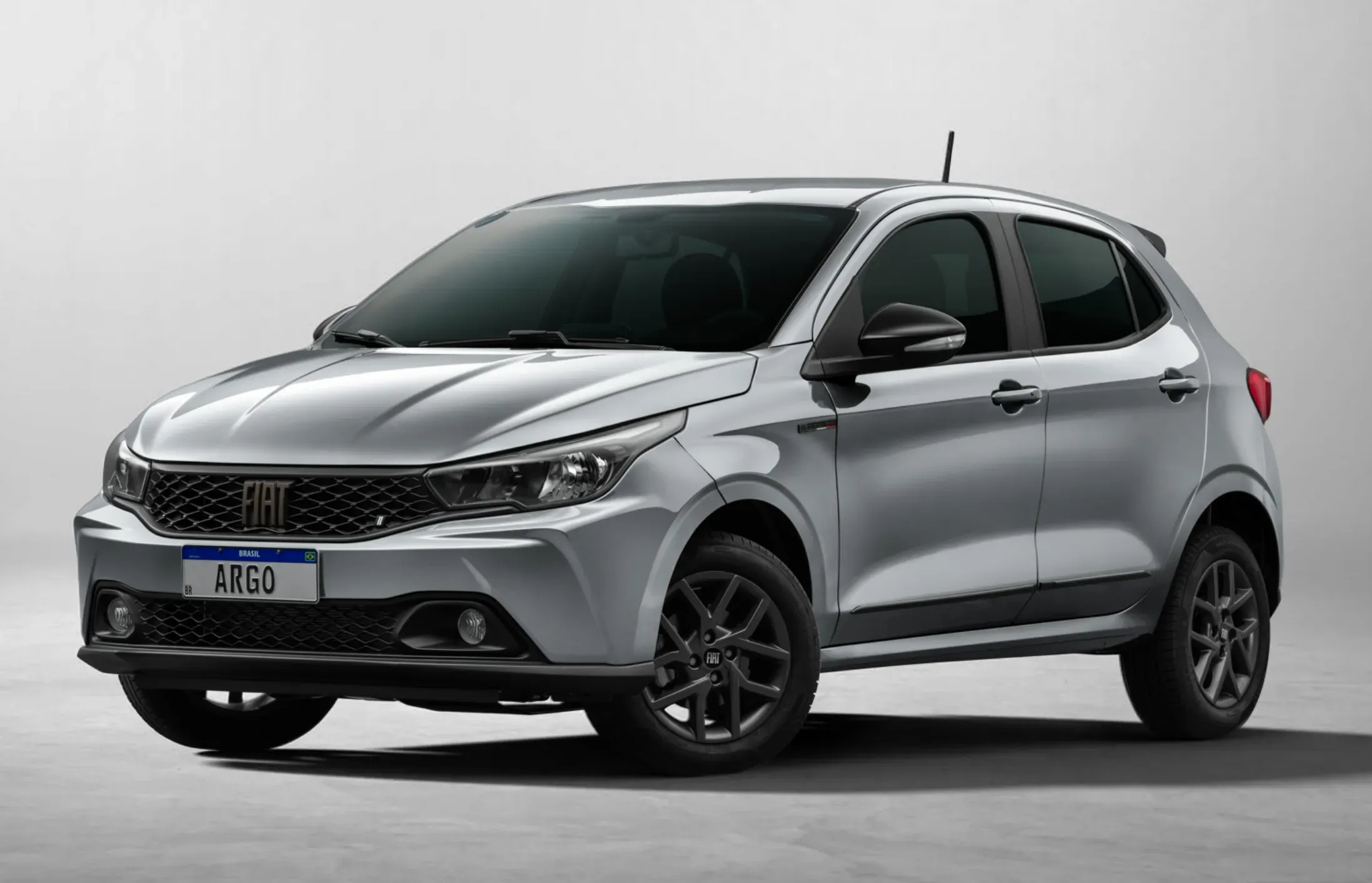


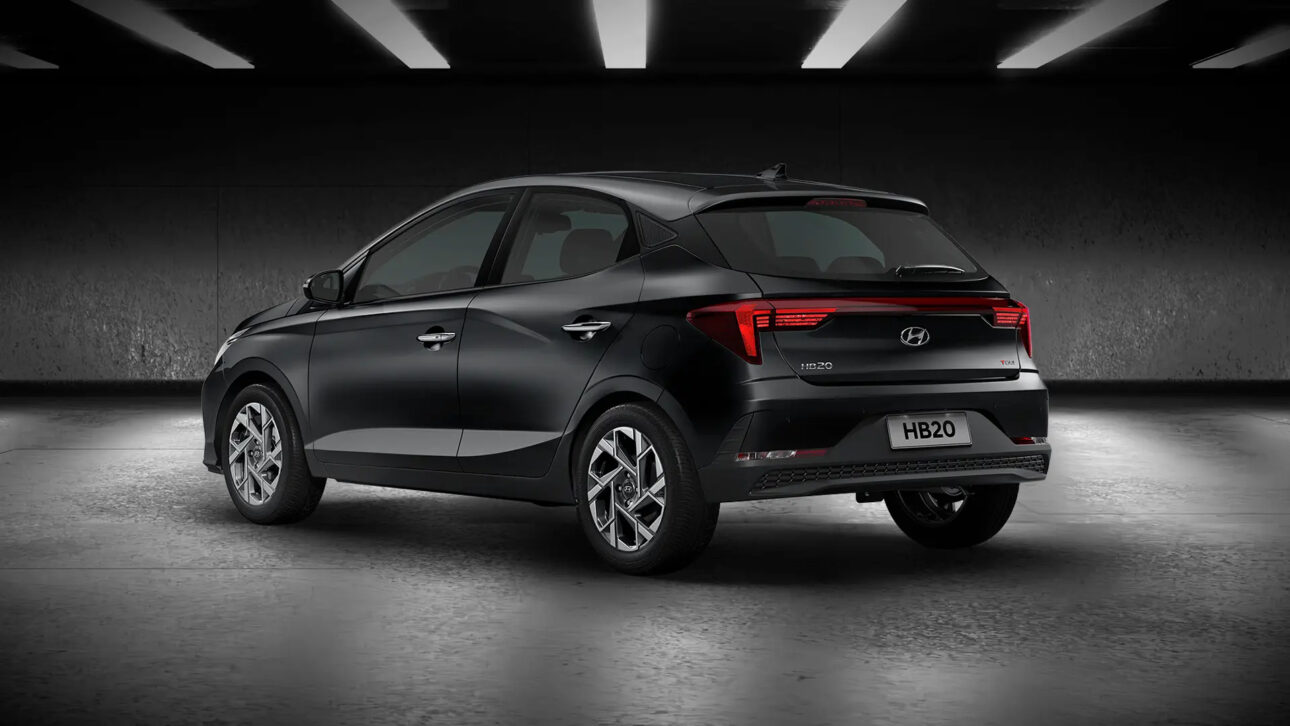
Buying a hatch today involves much more than just looking at the price tag. Those eyeing models like the Hyundai HB20 and the Fiat Argo know that the final decision comes down to fuel consumption, interior space, comfort level, embedded technology, and maintenance costs. This competition, which drives dealerships nationwide, presents strengths and limitations that deserve careful attention before signing the contract.
Hatch: Which Delivers More Everyday Economy
Fuel economy is undoubtedly one of the most important factors in choosing a hatch. The Hyundai HB20 with a 1.0 naturally aspirated engine records quite competitive averages: about 9.5 km/l on ethanol and up to 14 km/l on gasoline in urban routes, potentially exceeding 16 km/l on highways. The Fiat Argo 1.0 Firefly is not far behind. It usually runs 9.8 km/l on ethanol and about 13.5 km/l on gasoline in the city, reaching 15 km/l on highways.
In practice, the Argo tends to be slightly more efficient on ethanol, while the HB20 has an edge in gasoline consumption. For those who drive a lot on highways, the Hyundai may represent greater long-term savings, but for urban drivers who refuel with ethanol, the Fiat proves competitive.
-
Man Revives 1962 Mercury Comet with Parts from a Damaged Nissan Leaf, Achieving Electric Conversion for Under $6,000

-
British Mechanics Convert Classic Land Rover Defender to Electric, Maintaining Original Look with 483 Horsepower and 75 kWh Battery

-
Chevrolet Onix Turbo AT 2020: Affordable Used Hatchback with Turbo Engine, Automatic Transmission, and Six Airbags
-
Rolls-Royce Turns Heads with 30-Inch Floating Wheels, 6.6-Liter V12 Engine, and 563 Horsepower



Comfort and Interior Space
Comfort is another aspect that influences the choice of the ideal hatch. The Hyundai HB20 was redesigned in its latest generation to offer more ergonomic seats and an adjustable driving position, making long trips easier. However, the interior space is still considered average: four adults can travel comfortably, but the fifth passenger in the back seat feels the limitation.
The Fiat Argo, on the other hand, has one of its strengths in the cabin. The body width ensures more room for shoulders and legs, especially in the back seat. Additionally, the suspension is tuned to better absorb the holes and irregularities of Brazilian asphalt, providing a smoother ride.
Standard Items and Embedded Technology
In compact hatches, the list of equipment can make a difference. The Hyundai HB20 offers, from the more basic versions, progressive electric steering, air conditioning, front power windows, and a multimedia center compatible with Android Auto and Apple CarPlay. In pricier configurations, features like cruise control, side airbags, and traction and stability controls come into play.
The Fiat Argo also does not disappoint. The model comes with electric steering, air conditioning, and power windows straight from the factory. The Uconnect multimedia center is well-regarded for its intuitive and fast interface. In the more complete versions, the Argo adds a rearview camera, parking sensor, multifunction steering wheel, and even wireless phone charger.
Trunk and Practicality
In terms of luggage space, the Hyundai HB20 has a trunk of 300 liters, sufficient for everyday shopping or luggage for a family trip. The Fiat Argo, on the other hand, also offers 300 liters but with slightly better internal utilization due to the shape of the lid and the folding of the rear seats.
For those prioritizing urban practicality, both models are on par. They are compact enough for parking and maneuvering in busy areas but still accommodate luggage satisfactorily.
Maintenance and Ownership Costs
Another point the hatch buyer should consider is the cost of maintenance. The Hyundai HB20 has transparent scheduled services and costs aligned with the segment average. The South Korean brand’s dealership network has also grown in Brazil, making service more convenient.
On the other hand, the Fiat Argo benefits from the tradition of the Italian automaker in the country. Parts availability is ample, and labor is usually more accessible, especially outside the capitals. In practice, maintaining an Argo may be slightly cheaper in the long run, especially for simple repairs and when out of warranty.
Handling and Performance
Behind the wheel, the Hyundai HB20 offers a firmer drive, with direct responses from the electric steering. The 1.0 naturally aspirated engine performs well in urban use but may show limitations on heavy inclines or overtaking on highways. The 1.0 turbo engine in the more expensive versions, however, provides plenty of power and more vigorous accelerations.
The Fiat Argo, with the 1.0 Firefly engine, is praised for its smoothness and good torque distribution at low revs, which eases driving in heavy traffic. However, its performance is modest at high speeds, requiring patience during accelerations.
Which Hatch Offers the Best Cost-Benefit
If the goal is to find the most balanced hatch, it’s worth looking at the package as a whole. The Hyundai HB20 stands out for its efficient consumption, more modern design, and robust technology packages. Meanwhile, the Fiat Argo wins over consumers with its comfort, interior space, and possibly lower maintenance costs.
Buyers who drive a lot on highways, seek an intuitive multimedia center, and do not want to compromise on predictable maintenance are likely to be satisfied with the HB20. In contrast, those who value interior space, smoothness in driving, and maintenance economy may feel more comfortable with the Argo.
Final Thoughts
In practice, there is no absolute winner in this hatch competition. The best model will be the one that fits the driver’s lifestyle and priorities. By considering not just the purchase price but also consumption, maintenance, comfort, and technology, consumers have two solid options ready to meet their everyday needs. The final choice, therefore, depends on how each detail weighs in the routine of who will be behind the wheel.








A publicação foi bem tendenciosa pois,já tive os dois modelos e nada se compara com os itens de série que o HB20 possui.
Para ter todos os itens no Argo certamente teria que adquirir o modelo mais completo.
Sendo que no HB20 esses itens estão disponíveis inclusive nas versões de entrada.
Eu prefiro o HB20, 6 air-bags, multimídia sem fio, com câmera de ré. Não é quebrador, acabamento melhor. Limitador de velocidade, e piloto automático. E ainda 5 anos de garantia! Eu nunca havia repetido um carro, mas ano passado quando a garantia do meu primeiro hb20 acabou depois de 60 com o carro, troquei noutro, para ter mais 5 anos de tranquilidade.
Não houve comparação entre as garantias dos dois, e que é fundamental