






 Portuguese
  Spanish
  2 min of reading
  0 comments


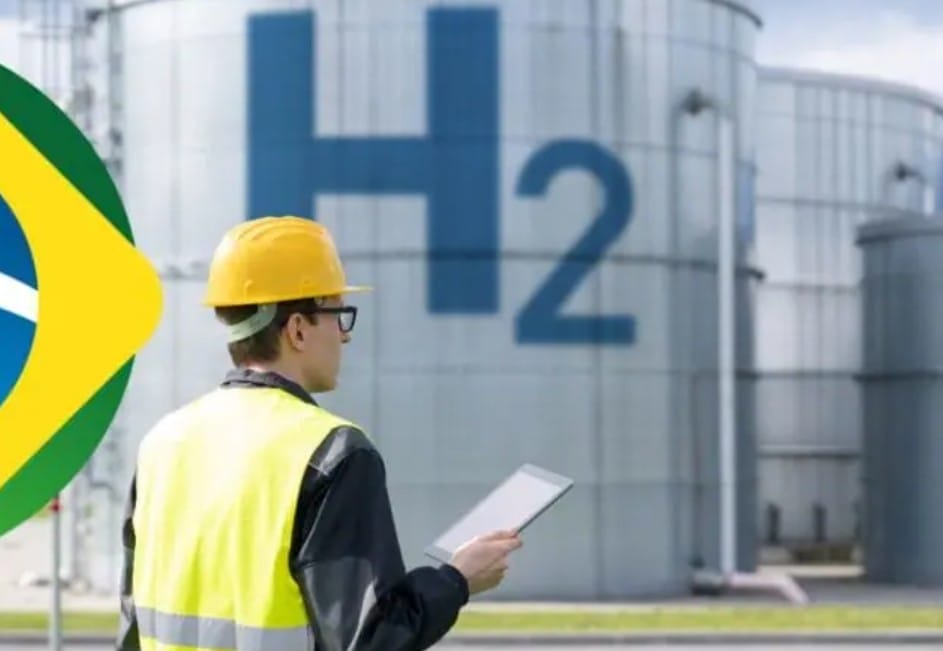
Green Hydrogen Portal: Information on Renewable Energy, Sustainable Innovation, and Career Opportunities.
Green hydrogen is a clean and renewable energy source, produced from renewable sources such as solar and wind energy. This type of hydrogen is produced through a process of water electrolysis, where electricity generated from renewable sources is used to separate water into hydrogen and oxygen. Green hydrogen has become a promising option to reduce carbon emissions and mitigate climate change, and can be used in various sectors such as transportation, industry, and energy generation.
Green hydrogen is a sustainable alternative to hydrogen produced from fossil fuels, contributing to the global energy transition. Additionally, renewable hydrogen offers numerous advantages, such as reducing reliance on fossil fuels and decreasing greenhouse gas emissions. The large-scale adoption of green hydrogen can revolutionize the way energy is produced and consumed, bringing significant benefits to the environment and society.
Renewable Energy: The Potential of Green Hydrogen
The quest for sustainable and clean energy sources has driven the development of innovative technologies, and green hydrogen emerges as a promising alternative. The use of renewable hydrogen, produced from clean energy sources, has the potential to revolutionize the way we generate and consume energy. This technological advancement can not only contribute to reducing environmental impact, but also to economic development and create new career opportunities.
-
Advancement in renewable energy: A R$ 150 million project launched by Petrobras and Finep aims to create state-of-the-art electrolyzers for green hydrogen, strengthening national research and preparing Brazil to compete in a billion-dollar energy market.

-
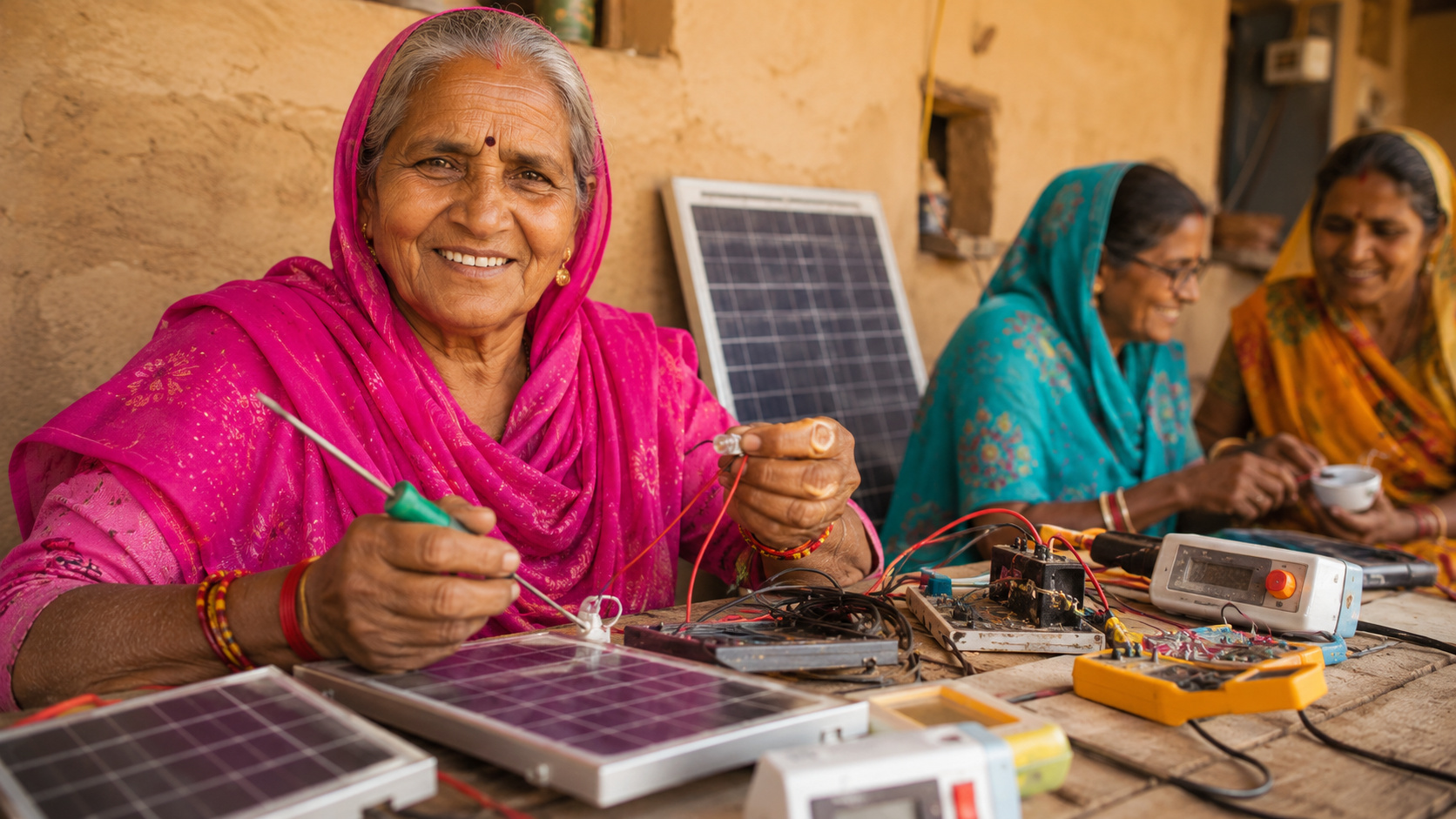
Illiterate or semi-literate grandmothers were trained to repair solar systems, open rural workshops, and light up homes that still depended on kerosene.
-
US$ 7 billion, green hydrogen, and steel with up to 95% less CO₂: the first green steel plant on the planet emerges in Sweden and targets Brazil as the next chapter

-
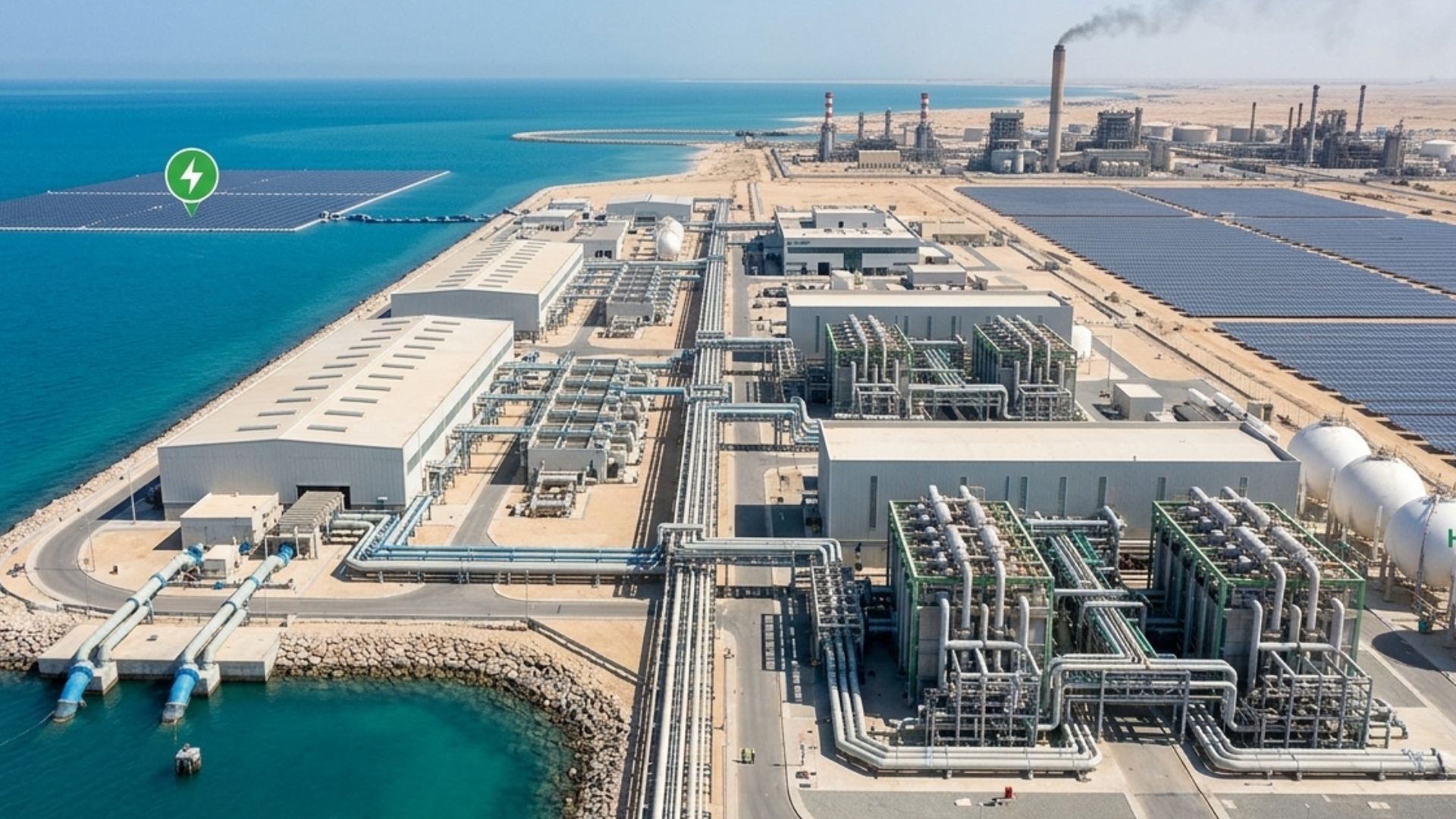
The world has bet on green hydrogen as the fuel of the future, but now faces the side effect: producing 1 kilogram requires about 9 liters of ultrapure water, and the largest projects on the planet are precisely in the driest regions of the Earth, where water is already scarce for people.



Clean Technology and Sustainable Innovation
The production of green hydrogen involves the use of electrolysis, a process that uses renewable energy to separate water into hydrogen and oxygen. This means that the production of renewable hydrogen does not emit greenhouse gases, making it an attractive option to mitigate climate change. Furthermore, the use of clean technologies for energy generation opens new opportunities for professional growth and positively impacts economic development.
Sustainable Production and Environmental Impact
The production of green hydrogen promotes sustainability and reduces the negative environmental impact associated with traditional energy sources. By adopting this sustainable approach, we can combat climate change and promote more equitable and responsible economic growth.
The Importance of Green Hydrogen
With the growing demand for clean and sustainable energy, green hydrogen emerges as an innovative solution that has the potential to transform the way we think about energy generation. By investing in green hydrogen production technologies, we can ensure a more sustainable and prosperous future for generations to come.
Source: H2 Verde Brasil








Be the first to react!