






 Portuguese
  Spanish


Learn About the Energy Revolution and Opportunities for Brazil as a Leader in the Green Hydrogen Market
The energy crisis caused by the war in Ukraine exposed crucial vulnerabilities in the European Union, particularly regarding the dependence on Russian natural gas.
This scenario has driven a global race for safer and sustainable energy alternatives.
Amidst this, Brazil, with its vast renewable energy sources, emerges as an emerging power in the green hydrogen market, one of the most promising alternatives for the global energy future, according to a video from the Elementar channel.
-
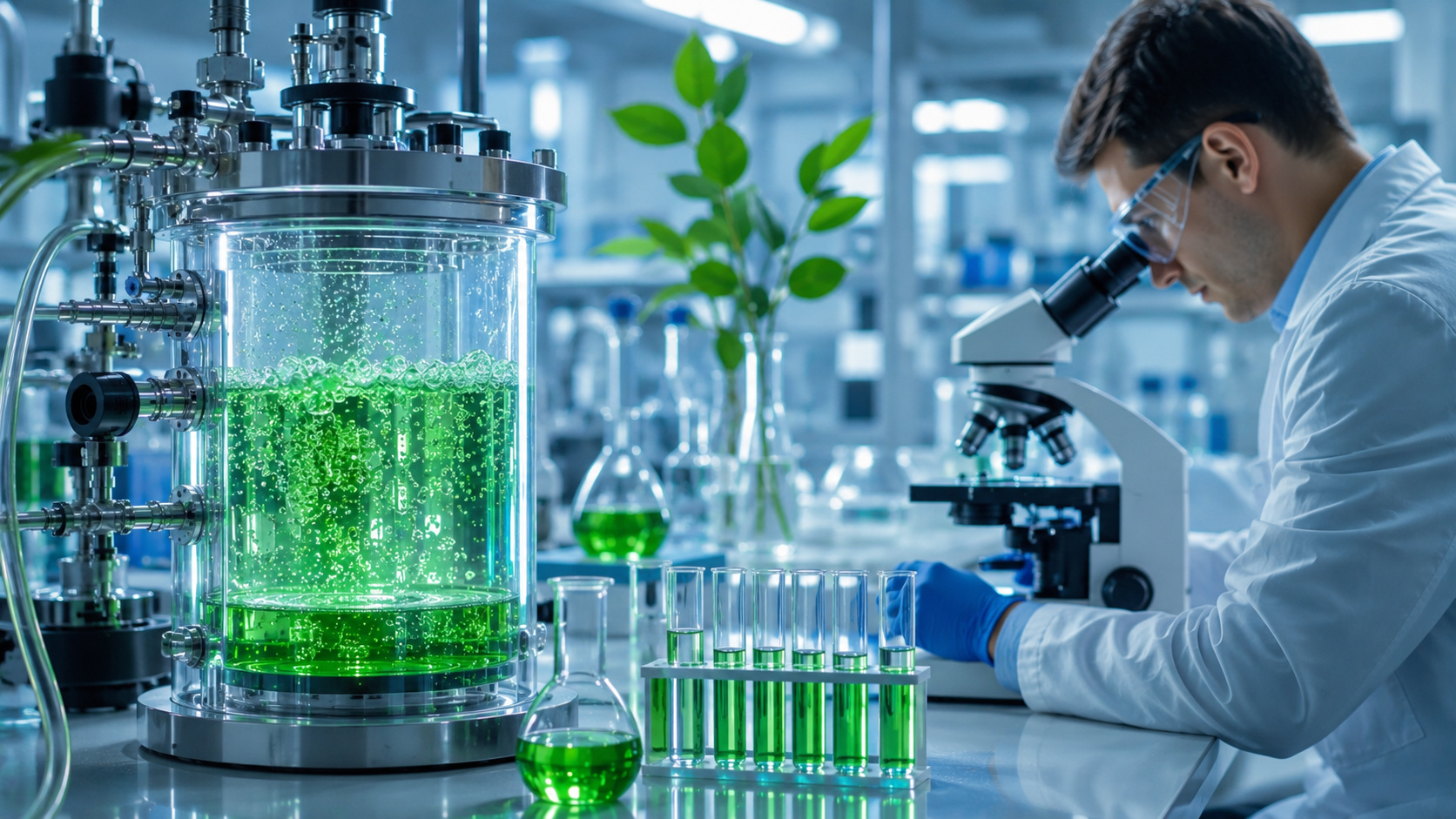
Brazilian scientists are simultaneously advancing two research projects on clean hydrogen and driving solutions that could transform the energy matrix, enhance industrial competitiveness, and accelerate large-scale emission reduction targets.

-
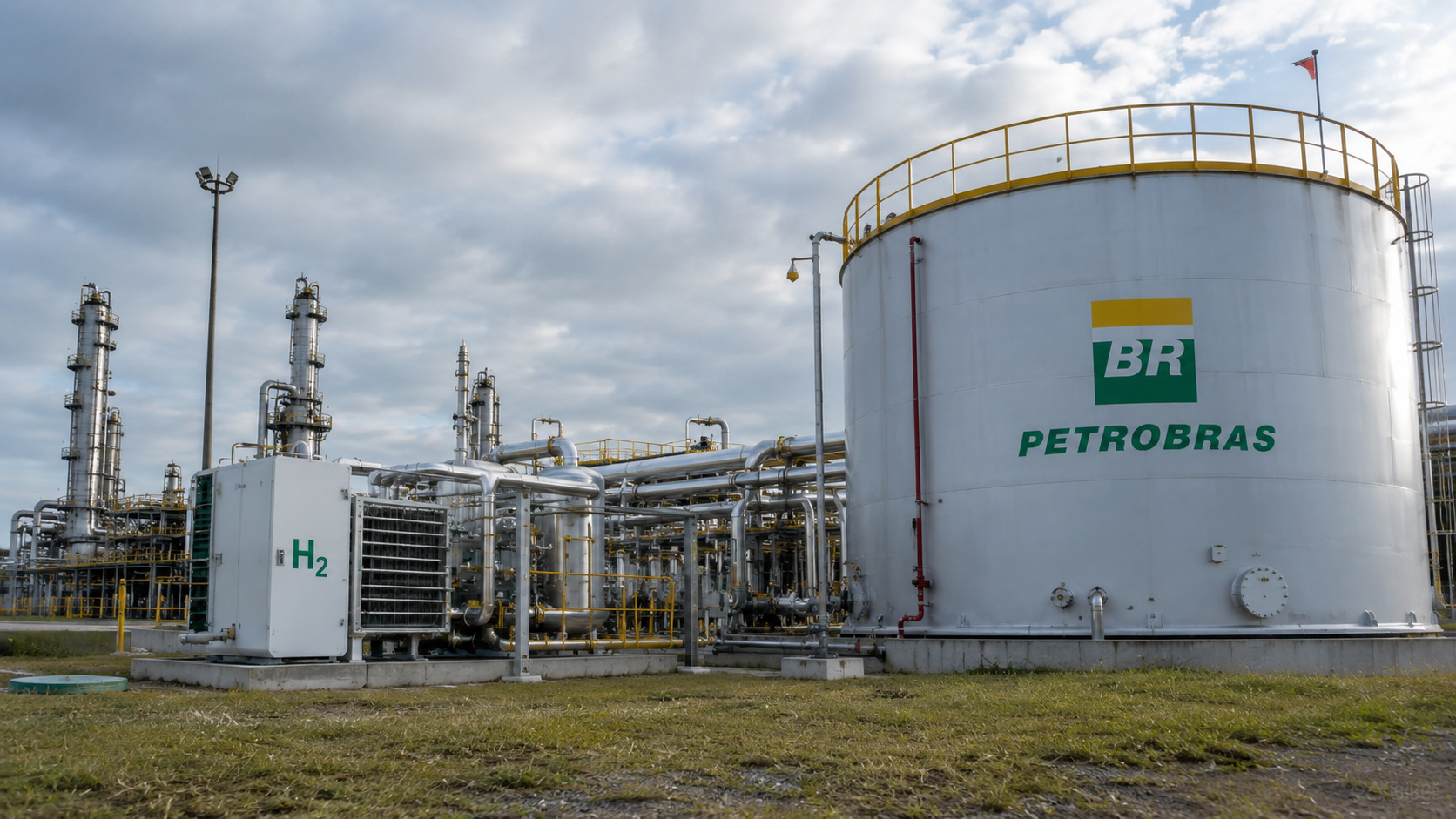
Advancement in renewable energy: A R$ 150 million project launched by Petrobras and Finep aims to create state-of-the-art electrolyzers for green hydrogen, strengthening national research and preparing Brazil to compete in a billion-dollar energy market.
-
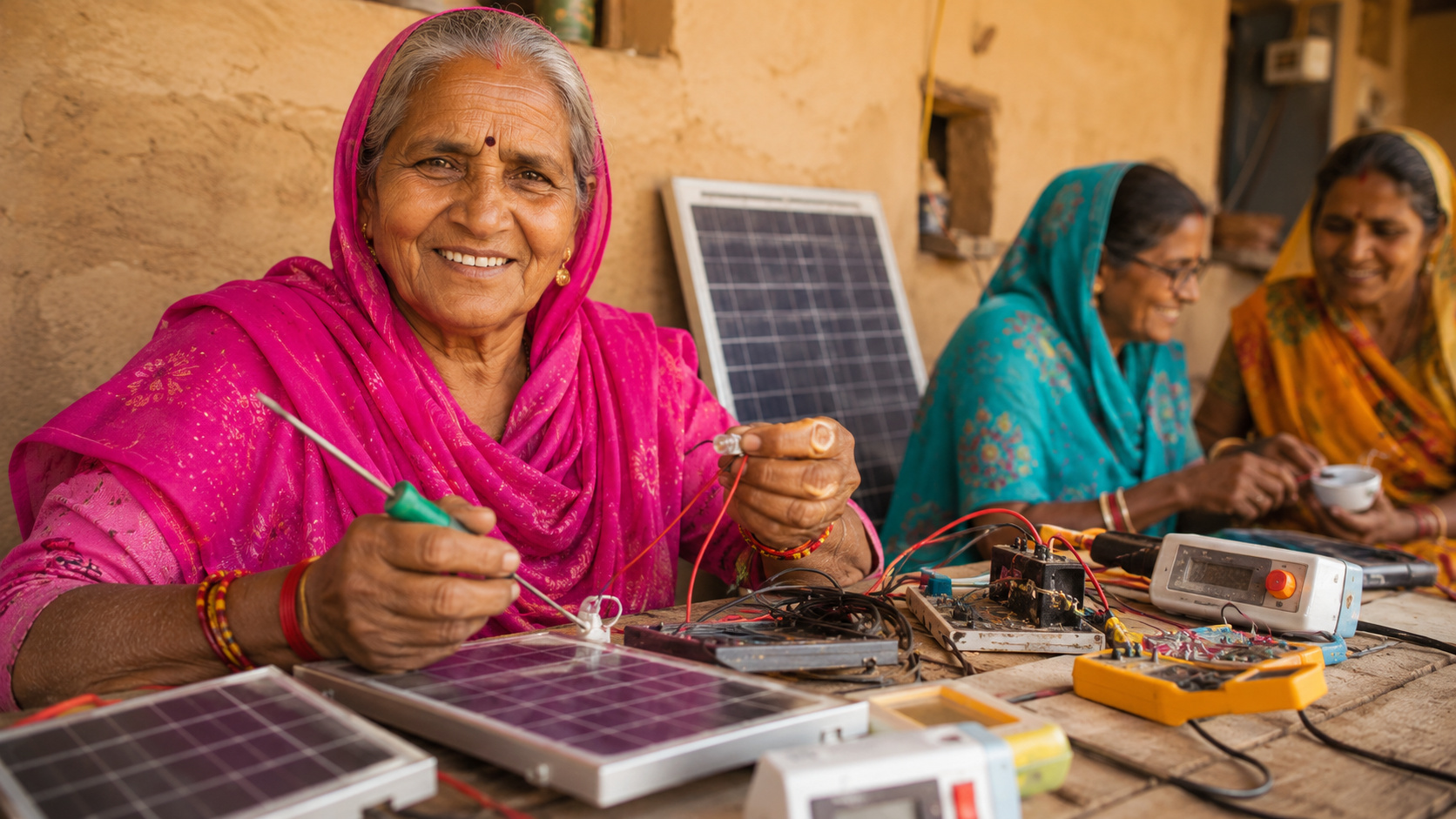
Illiterate or semi-literate grandmothers were trained to repair solar systems, open rural workshops, and light up homes that still depended on kerosene.
-
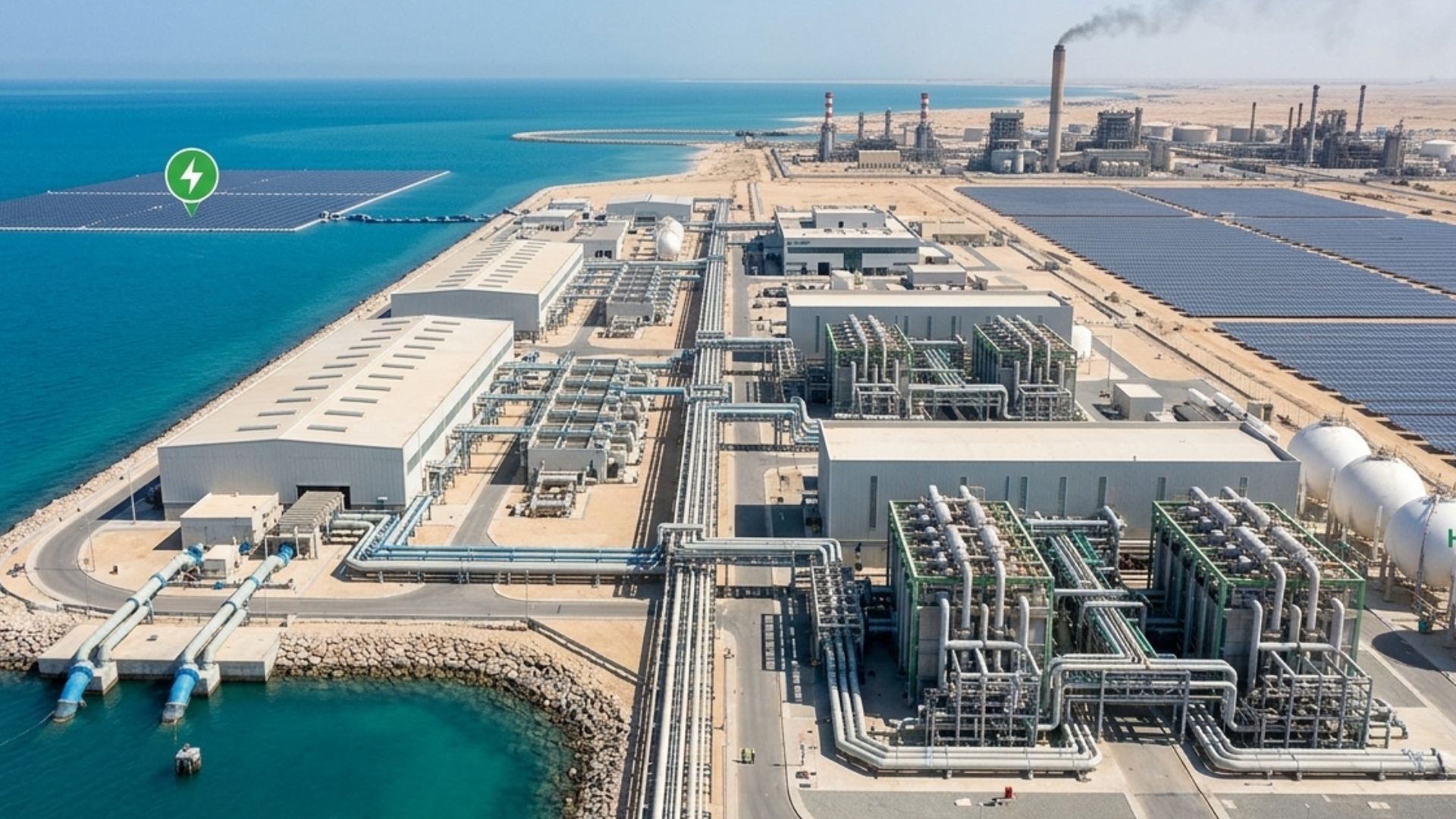
The world has bet on green hydrogen as the fuel of the future, but now faces the side effect: producing 1 kilogram requires about 9 liters of ultrapure water, and the largest projects on the planet are precisely in the driest regions of the Earth, where water is already scarce for people.

What is Green Hydrogen?
Regarded as the “fuel of the future,” green hydrogen is a clean and highly efficient energy source.
Produced from water electricity using renewable energy, green hydrogen stands out for not emitting carbon in its production process, which makes it essential for global decarbonization.


The main advantage of this type of hydrogen is its ability to serve as an alternative for hard-to-electrify sectors, such as heavy industry and long-distance transportation.
Brazil’s Potential in the Green Hydrogen Market
With an already strongly renewable energy matrix, which includes large hydropower and solar energy sources, Brazil has the potential to become one of the largest producers of green hydrogen in the world.
This scenario is further strengthened by the growing demand for alternatives to natural gas and coal, driven by the need to reduce carbon emissions. Countries like Germany have already begun to invest in green hydrogen as a solution to their dependence on non-renewable energy sources, and Brazil is in a privileged position to meet this demand.
Hydrogen Categories: Different Paths for Production
The production of hydrogen can be classified into three main types, according to the delivery process:
Gray Hydrogen
Produced from natural gas or coal, releasing carbon into the environment.
Blue Hydrogen
Similar to gray hydrogen, but with CO2 capture and storage, helping to mitigate environmental impacts.
Green Hydrogen
Obtained through electrolysis of water, using renewable energy, with zero carbon emissions, making it the most sustainable and ecological way to produce hydrogen.








Be the first to react!