Portuguese
  Spanish


Gold Discovery on Farm Reignites Debate Over Subsoil Laws, Property Rights and Environmental Risks in France
A French farmer discovered gold nuggets on his property and reignited a national debate. The case took place in 2025, in the Auvergne-Rhône-Alpes region, and gained attention for involving strict laws, environmental issues, and disputes over the fate of natural resources in the country.
Gold in the Backyard, But No Reward
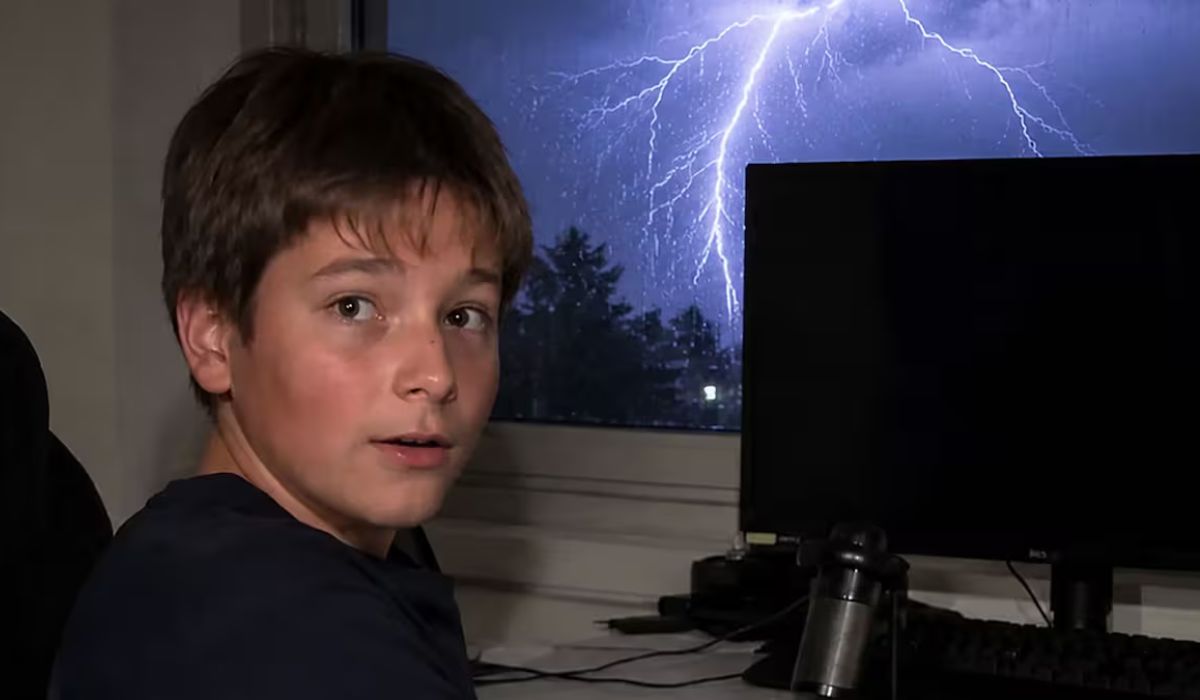
Michel Dupont, the farmer who made the discovery, was excavating on his own land when he found a significant amount of gold.
The surprise soon turned into frustration. Under French law, any mineral resource found underground belongs to the State, even on private property.
-
Man wins millions in the lottery, starts receiving money help every day, abandons his own house and says he regrets the prize.

-
Japanese doctors complete 34 years of volunteer mission in Vietnam and have already performed more than 3,000 free surgeries to correct cleft lip and palate in children from families unable to afford treatment.

-
The man who started by cleaning bricks and unloading wagons entered the warehouses of Dallas and helped transform commercial real estate into a billion-dollar business.
-
An entrepreneur from Alagoas started by selling organza bags as extra income, ventured into digital after motherhood, and transformed personalized packaging into a national business that sells 35,000 units per month, generates about R$ 60,000, and employs 14 people.




As a result, Dupont did not receive any financial compensation. The French government intervened shortly after being notified of the discovery and took control of the site.
The situation generated criticism and opened up discussions about the rights of rural property owners and the public management of natural resources.
French Laws on the Subsoil
In France, the rule is clear: what is underground belongs to the State. This includes precious metals like gold. The justification is to prevent uncontrolled exploitation, ensure public interest, and protect strategic resources.
This legal model allows the government to intervene quickly after discoveries. In the case of Dupont, the State took control without any payment to the owner.
The measure aims to prevent illegal extraction and preserve the collective heritage, but raises questions about its fairness.
Mining Concerns Environmentalists
The possibility of opening a mine in the region raised concerns. Environmentalists warn of the risks of the activity.
Gold mining can cause soil degradation, river pollution, and threaten biodiversity. There is also the risk of deforestation, contamination with chemicals, and alterations to the way of life of rural communities.
Residents of the region have also expressed opposition to the exploitation. The fear is that the environmental and social impact will outweigh any potential economic benefits.
France Avoids Mines on Its Territory
Even being the fourth largest country in the world in gold reserves, with over 2,400 tons, France does not have active mines on its European territory.
The majority of French gold comes from overseas territories, such as French Guiana and parts of West Africa.
This stance reflects a strict environmental policy and the fear of negative social impacts. The discovery in Auvergne-Rhône-Alpes has reignited the debate over starting mining on French soil, but current legislation and local resistance hinder progress in this regard.
Between Economy and Environment
The case of Michel Dupont highlighted the challenge of reconciling economic development with environmental preservation. On one hand, there is the possibility of generating jobs and revenue.
On the other, the risk of irreversible damage to the ecosystem and the lives of local communities.
The situation has not yet reached a conclusion. But it has made it clear that the exploration of natural wealth involves much more than just its market value. It is a choice that can affect the future of an entire region.
With information from O Antagonista.