Portuguese
  Spanish


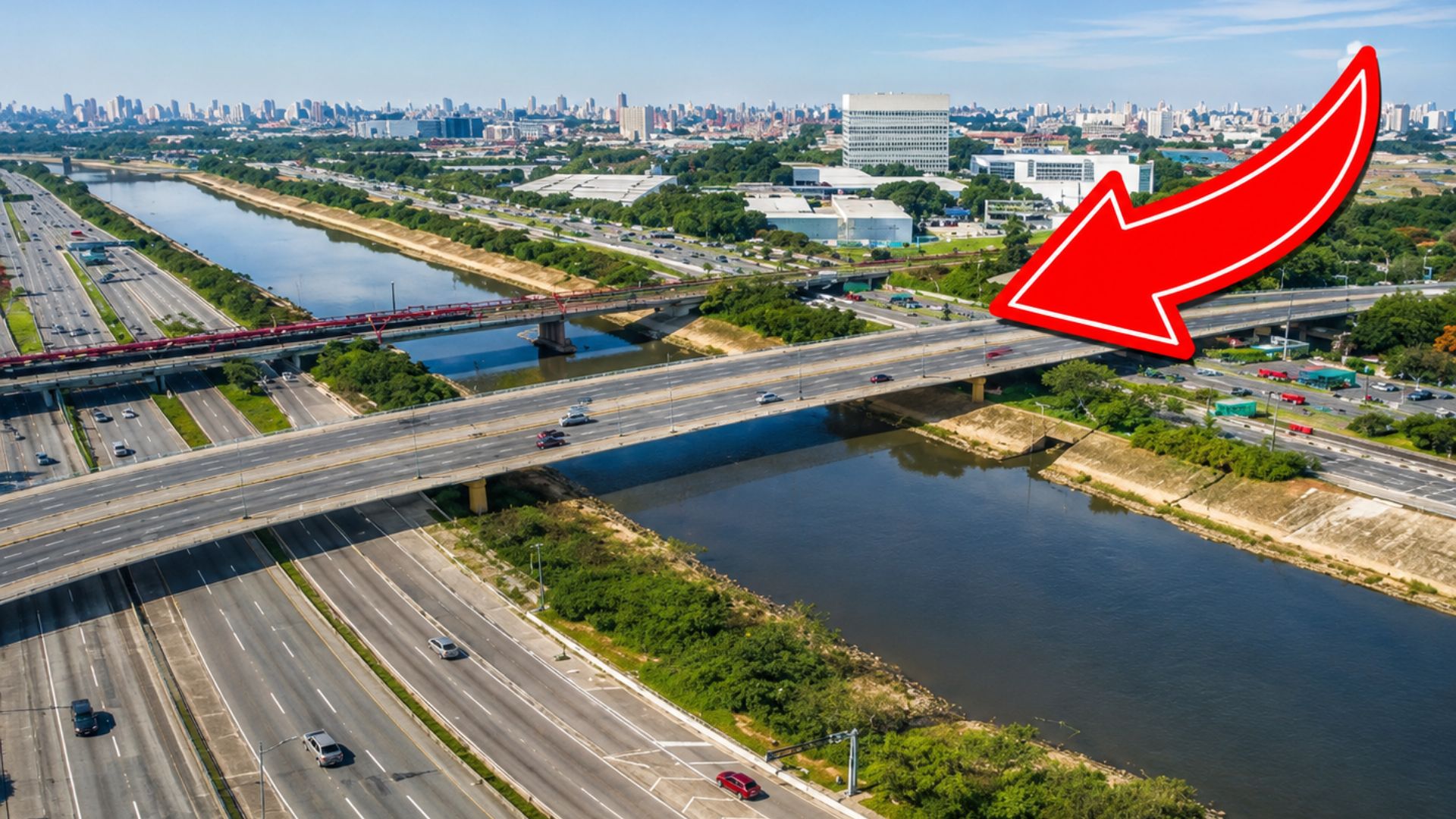

New connection over the Tietê River advances in São Paulo with a promise to ease the Marginal Tietê, reduce travel time between Lapa and Pirituba, and transform mobility between the northern and western zones of the capital with a bus corridor, bike path, and new road connections.
The future Pirituba-Lapa Bridge has taken a strategic position among the main road works in the São Paulo capital by creating a new crossing over the Tietê River between the northern and western zones, with an expected investment of R$ 367 million, an exclusive bus corridor, bike path, and official completion scheduled for December 2026.
With approximately 900 meters in length, the structure will connect Raimundo Pereira de Magalhães Avenue in Pirituba to the Vila Anastácio region in Lapa, reaching Campos Vergueiro Street, while the project also includes new road connections, surrounding interventions, and significant changes in local circulation.
According to estimates released by the São Paulo City Hall, the new connection is expected to benefit about 78,000 people daily, reducing pressure on already saturated crossings, such as the Piqueri and Anhanguera bridges, as well as improving access to the Marginal Tietê lanes.
-
Brazil to Convert 80 Public Properties into 11,000 Affordable Homes Across 44 Cities to Address Housing Shortage

-
Brazilian Company Develops Wall Panels from Recycled Refrigerator Foam with Comparable Thermal and Acoustic Performance

-
Brazil’s São Paulo Region Unveils Latin America’s Largest Timber Shopping Mall, Built in 7 Months, Capturing Carbon and Preventing 900 Tons of Emissions
-
Danish Island Uses Seaweed for Durable, Centuries-Old Roofing Solution


Pirituba-Lapa Bridge should ease traffic on Marginal Tietê
More than creating a new passage for automobiles, the road complex was designed to accommodate different modes of transportation, combining two-way lanes, space for pedestrians, a bike path, and an exclusive bus corridor in an area marked by frequent congestion.
While access in Pirituba will occur via Raimundo Pereira de Magalhães Avenue, considered one of the main axes of the northern and northwestern zones, the connection in Lapa will be close to Vila Anastácio and the CPTM’s Line 7-Rubi, enhancing integration between buses, cars, and rail transport.
Currently, a large part of the drivers and passengers traveling this route relies on the Piqueri and Anhanguera bridges, as well as the Marginal Tietê lanes, accesses that concentrate a high volume of vehicles during peak hours between the two sides of the river.
Exclusive bus corridor may reduce travel time
Among the most significant impacts pointed out by the City Hall is the improvement in public transportation, as traffic studies presented by the municipal administration indicate that the rearrangement of lines could reduce travel time between the Pirituba and Lapa terminals by up to 36 minutes per day.
In the case of individual transport, the disclosed estimate points to an average saving of about 15 minutes per day, although the effective result depends on the completion of the works, the proper operation of exclusive lanes, and the reorganization of the bus system in the region.


Bridge construction was halted during legal dispute
Considered a long-standing demand of the region’s residents, the Pirituba-Lapa Bridge remained halted since April 2020 due to a court decision, a situation only reversed in August 2023 when the City Hall obtained authorization to resume work.
After the official announcement of the resumption, made in January 2024, the project began to be treated by the municipal administration as a strategic intervention to alleviate historical bottlenecks between Pirituba, Lapa, Vila Anastácio, and the accesses to Marginal Tietê.
In addition to the construction of the bridge, the project includes approximately three kilometers of new road connections, widening of Avenida Raimundo Pereira de Magalhães, implementation of six lanes under the railway line, and complementary drainage interventions to adapt the region’s infrastructure.
Investment of R$ 367 million and deadline until 2026
According to the São Paulo City Hall, the total estimated cost for the project reaches R$ 367 million, a value that includes the construction of the bridge and the planned interventions in the surroundings, while the official execution deadline remains set for December 2026.
The intervention is expected to change the circulation dynamics in an area marked by intense commuting, especially of workers who cross the city daily between residential neighborhoods, employment hubs, and railway connections, while the City Hall bets on traffic redistribution to reduce dependence on a few accesses over the Tietê River.