Portuguese
  Spanish


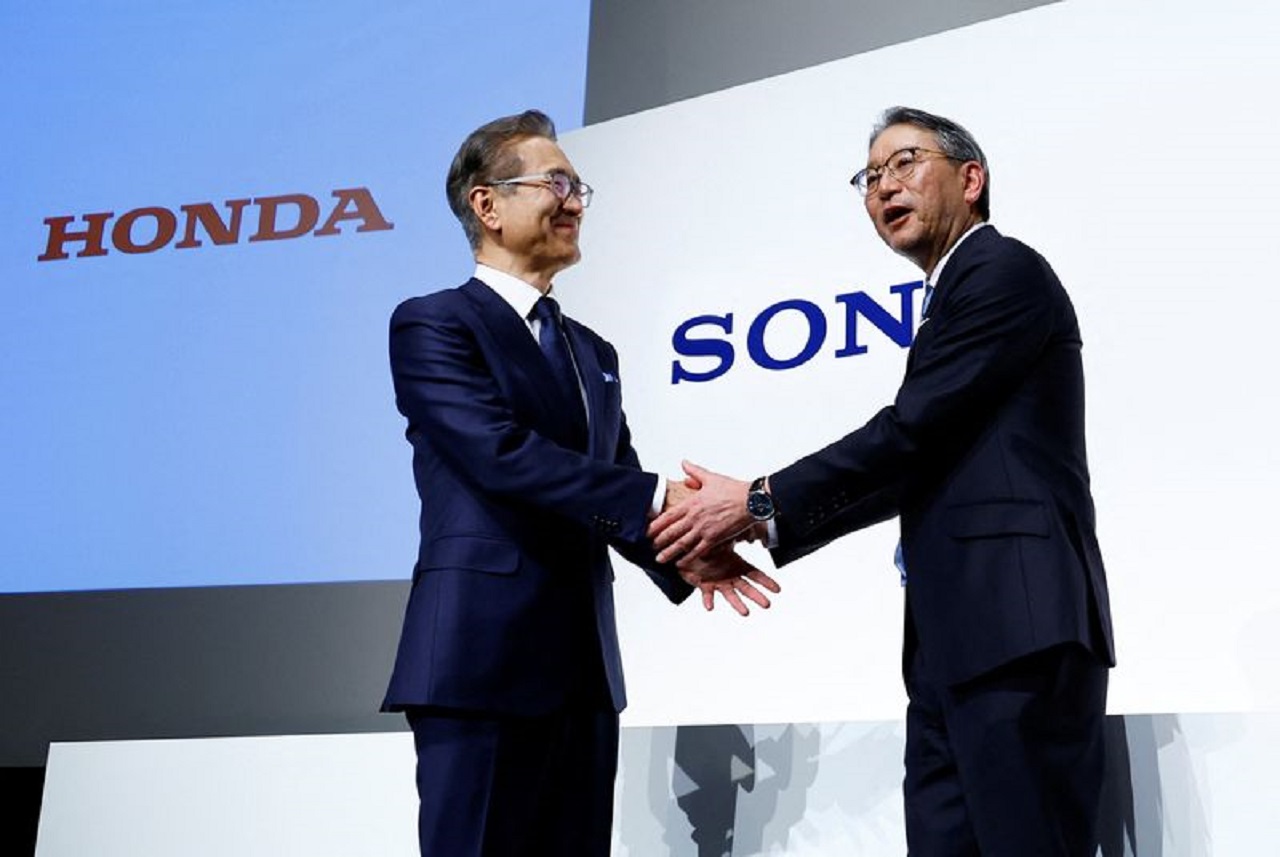

Technology Leader Sony and Automaker Honda Sign a “Memorandum of Understanding” on Friday, the 4th, to Establish a New Company for Electric Car Manufacturing Focused on Urban Mobility Services.
What happens when an automaker like Honda teams up with a technology company like Sony to create a new brand of electric cars? The world may find out in the not-so-distant future, as the two industry giants announced on Friday (04) that they will work together to develop and sell new electric vehicles focused on mobility services.
Read Also
- Multinational Honda Calls for Candidates with No Experience for Selection Process in Trainee Positions for Professionals in Manaus and SP
- Group of Friends Transforms Honda Civic Hatch into a Pedal-Powered and Completely Sustainable Car
- Multinational Vehicle Manufacturer Honda Hires Candidates with No Experience in Its Factories for Trainee Positions
- Honda Develops Electric Motorcycle That Doesn’t Tip Over and Doesn’t Require Drivers
- Honda, Volkswagen, Jeep, Chery, Kia, Mercedes, Hyundai, and Jaguar Launch Powerful Cars in Brazil That Combine Combustion and Electric Engines and Get Over 100 km Per Liter!
Official Statement from the Companies
While Honda and Sony are still negotiating the details of such a partnership, they said in a joint statement that the goal is to create the new company within a year. The ambitious plan also includes the sale of the first model of the newly formed brand’s electric car by 2025, with additional plans to market and provide mobility services.
The new company has not yet been named, but the business plan is for it to handle design, development, planning, and sales aspects. However, Honda will be responsible for manufacturing the vehicles using its facilities. Sony will be responsible for building the platform for the mobility service.
-
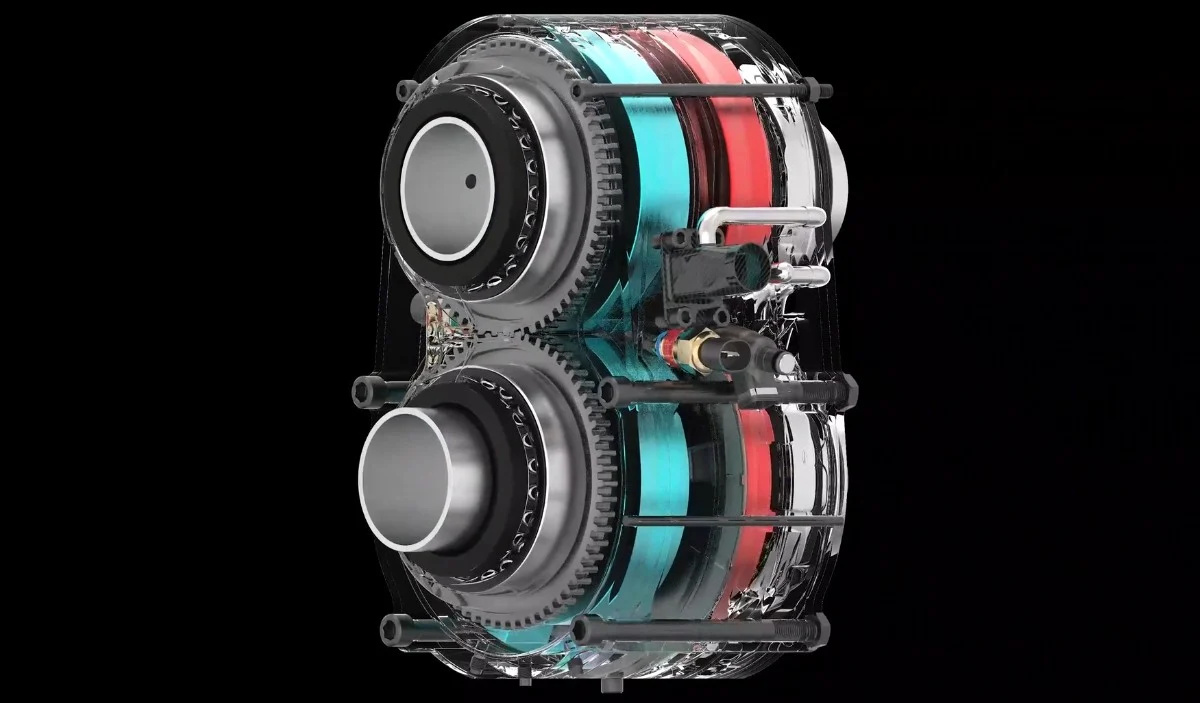
Suitcase-sized hydrogen engine spins at 25,000 rpm, nearly doubling the efficiency of conventional cars and replacing exhaust smoke with water vapor

-
1983 Chevrolet Runs Over 100,000 km Without Gasoline, Powered by Wood Chips, Reaches 125 km/h in Airport Test

-
Workshop Converts Giant Tractor Tire Tricycle into a Three-Wheel Drive Hybrid with 36,000-Watt Electric Motor Capable of Climbing Hills

-
Chery Offers Lifetime Battery Warranty and Car Replacement for Major Failures Under New Chinese Regulations


“Although Sony and Honda are companies that share many historical and cultural similarities, our areas of technological expertise are very different,” said Honda Motor CEO Toshihiro Mibe in a statement on Friday.
Honda Aims to Sell Only Electric and Hydrogen Cars by 2040
Honda stated last year that it is committed to selling only battery electric and hydrogen fuel cell vehicles by 2040. The gradual increase of these types of vehicles over the next two decades will coincide with the decline of production and the eventual phase-out of the automaker’s internal combustion offerings.
The first two of the brand’s new electric models – created in partnership with GM and not part of Sony’s team – are expected to hit the market starting in 2024, one being the Honda Prologue and the other part of Acura’s premium lineup.
In the joint announcement, Sony showcased its electric crossover prototype Vision-S 02 from the CES technology show. This, along with a previous electric sedan Vision-S01, has already indicated Sony’s intention to enter the EV market at some level.
Partnerships with Japanese Companies Signal an Electric Car Market ‘Boom’
Toyota, for example, is forming partnerships with local rivals like Subaru, Mazda, and Suzuki to develop an electric car chassis together and focus on a division solely for combustion engines – an agreement that allows for cost-sharing. Meanwhile, Toyota CEO Akio Toyoda personally revealed plans in December to bring 30 electric vehicle models to market by 2030.
“Honda has been the slowest of all when it comes to supporting electric cars and mobility, partly because they never saw the need to invest in what is still, for many in the industry, a non-profitable segment,” said Schmidt, an electric vehicle expert, to Fortune magazine.