Portuguese
  Spanish


Material costs, labor, and choice of coating directly influence the budget for renovations in residential garages. Differences between porcelain, polished concrete, and interlocking tiles can alter the final expenses of the project and modify the level of maintenance required over time.
Laying flooring in a small garage of 30 m² can cost, on average, between R$ 2.1 thousand and R$ 4.8 thousand in 2026, considering material and basic application.
The cost varies according to the type of coating, the preparation of the subfloor, local labor, and the materials used in the installation.
According to construction professionals, choosing garage flooring involves technical factors beyond the price of the coating. The material needs to withstand vehicle weight, tire friction, frequent moisture, and occasional contact with residues like automotive oil and cleaning products.
-
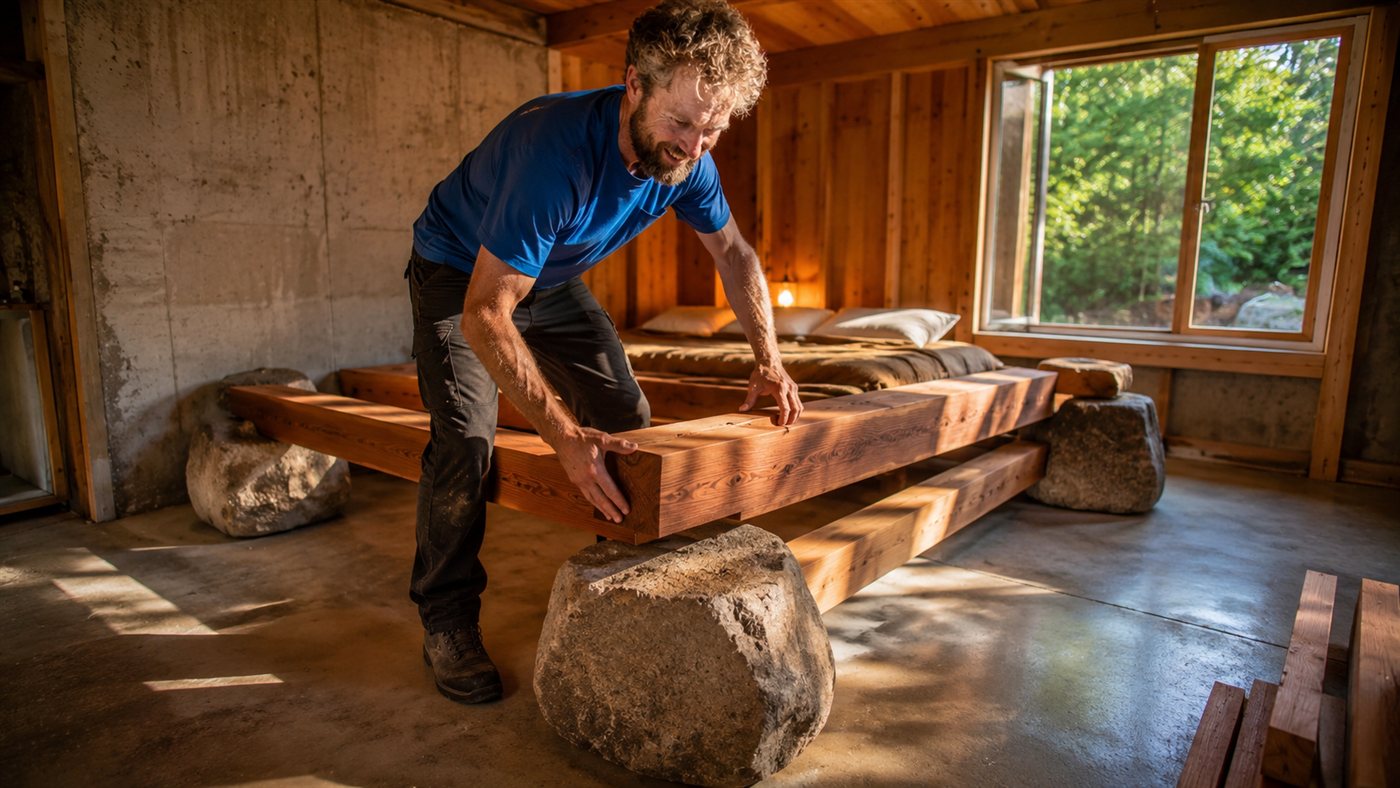
Man Builds Stone Bed with Granite Rocks and Hand-Sawn Cedar Beams, Home Extension Garners Over 437,000 Views on Bonus Bolts Channel

-
Brazilian Researcher Develops Color-Changing Roof Tile to Reduce Air Conditioning Use by Up to 15%

-
21-Year-Old Moves Back to Parents’ Home in Arizona, Finds New Private Apartment in Converted Garage as Families Tackle U.S. Housing Pressures

-
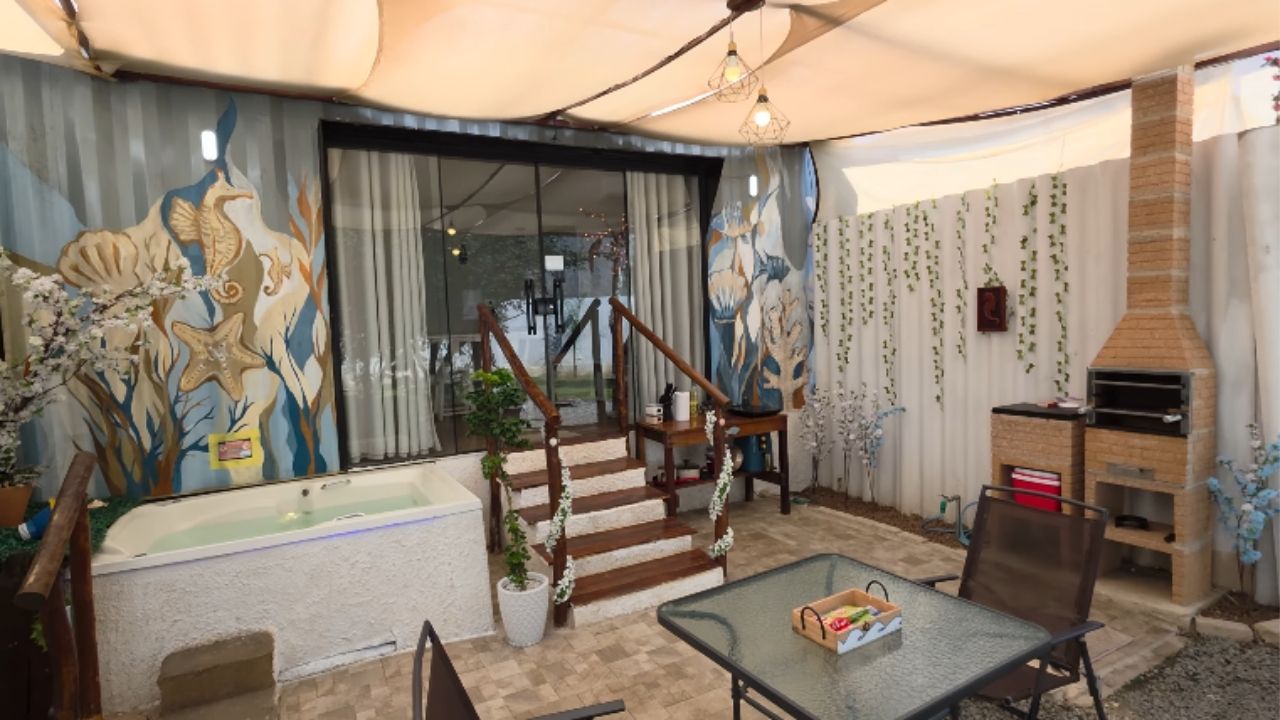
Innovative Container Studio in Brazilian Beach Town Thrives with High Demand and Plans for Expansion


Non-slip flooring gains ground in residential garages
Among the most used coatings in residential garages are polished concrete, finished concrete, interlocking tiles, non-slip ceramic, and satin or technical porcelain. According to companies in the sector, each alternative presents costs, maintenance requirements, and different levels of mechanical resistance.
Polished concrete is usually the most economical solution, especially when the subfloor is already in good condition.
In a 30 m² garage, the cost can be around R$ 2.1 thousand, based on an average of R$ 70 per m².
Interlocking tiles are often applied in outdoor areas because they facilitate water drainage and allow localized maintenance without the need for complete surface removal.
With an estimated average cost of R$ 110 per m², installation in 30 m² can reach about R$ 3.3 thousand.
In the case of satin or non-slip porcelain, the cost tends to be higher, while manufacturers and industry professionals point out ease of cleaning and more uniform finish as the main characteristics.
With an average of R$ 160 per m², a small garage can reach approximately R$ 4.8 thousand, not considering extra reinforcements in the subfloor.
AC3 mortar and waterproofing increase the final cost
The final cost does not depend solely on the chosen tiles.
Mortar, grout, levelers, waterproofing, and base preparation directly influence the durability of the installation and can significantly alter the total cost of the renovation.
In areas subject to humidity, temperature variation, and light vehicle traffic, manufacturers recommend higher performance mortars for certain coverings.
ACIII mortar, for example, is associated with more demanding applications, such as outdoor areas, porcelain tiles, and floor overlays.
Additionally, the type of grout used affects the preservation of the covering over the years. Waterproof or resinous products are recommended by manufacturers to reduce infiltration, stains, and detachment of pieces in areas exposed to constant humidity.
Levelers and spacers used during the installation of the tiles are also included in the budget. These accessories help maintain alignment between the pieces and reduce unevenness that can compromise circulation, cleaning, and vehicle movement.
Irregular subfloor can increase construction costs
When the subfloor is already regularized, the installation usually requires fewer interventions before laying. On the other hand, cracks, infiltrations, unevenness, and drainage failures can increase costs with base preparation and specialized labor.
The slope for water drainage needs to be planned before applying the covering.
Without the correct slope, puddles can form near the gate, walls, or under the vehicle, increasing the risk of stains and premature wear.
In renovations, it is also common for the budget to rise due to the removal of the old floor.
Demolition, debris disposal, and surface regularization should be considered separately, as they do not always fall within the average price per square meter.
Safety and resistance influence the choice of covering
For uncovered garages, ramps, or washable areas, the coefficient of friction should guide the purchase.
ABNT establishes test methods to measure slip resistance in ceramic tiles, and products intended for wet areas must inform this technical performance.
According to residential safety experts, excessively smooth floors can increase the risk of slipping in environments subject to water and automotive residues. Wet tires, soap, leaves, and oil reduce the surface’s grip, especially in inclined areas.
Ramps require even greater care.
Besides friction, it is necessary to evaluate thickness, material resistance, mortar quality, and correct execution of joints, because the force exerted by tires is different from the common circulation of people.
Proper maintenance helps to avoid cracks and leaks
The durability of the coating is also related to the installation method and the maintenance care adopted after the work. On cementitious surfaces, sealers are used to reduce oil absorption, while ceramic floors require periodic monitoring of joints and grouts.
Abrasive products should be used with caution, as they can compromise the finish, grout, and sealers.
Routine cleaning with water, neutral soap, and an appropriate brush usually preserves the coating better, especially on textured non-slip floors.
According to renovation professionals, choosing based solely on the price of the coating can increase future expenses with corrective maintenance. Materials unsuitable for vehicle traffic may present cracks, detachment of tiles, and premature wear in the short term.
For 30 m², the most prudent estimate is to reserve a margin beyond the main value, including material losses, cuts, transportation, waterproofing, and corrections to the subfloor.
This allowance reduces surprises during the work and allows for comparing budgets with the same items included.