






 Portuguese
  Spanish


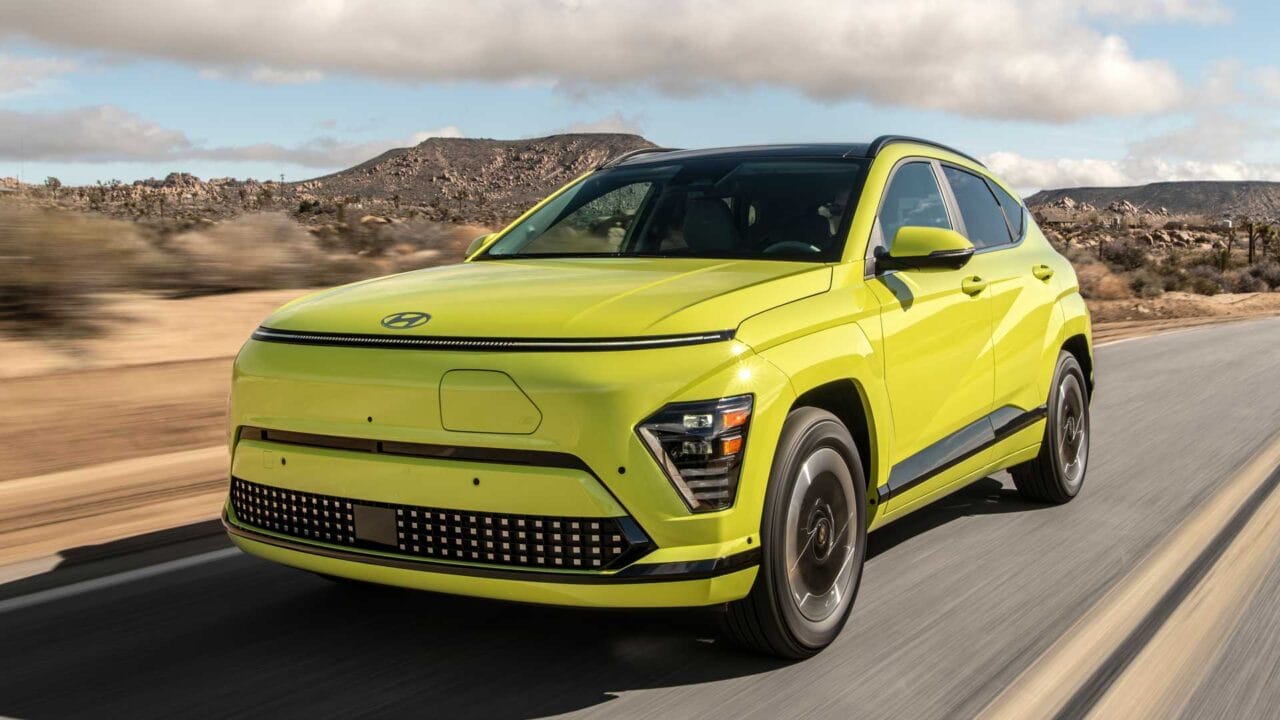

Korean Automakers Are Standing Out with Advances in Their Next-Generation Electric Cars, Proving to Be True Pioneers in the Automotive Market. With Technological and Sustainable Innovations, They Continue to Gain More Space and Recognition. The Quality and Performance of Their Products Have Positively Surprised Consumers and Experts in the Field.
In September, according to Cox Automotive, the average price of a new electric vehicle in the U.S. fell to just over US$ 50,000. This Represents Good News Amid Current Challenges.
In Brazil, neither of the two manufacturers sells electric cars. However, Kia Has Confirmed That It Will Launch the 7-Seater Kia EV9 Electric SUV at Some Point in 2024. Hyundai, on the Other Hand, Only Sells the Previous Generation Hyundai Kona Model, Available at Caoa Hyundai.
Investments in the Electric Battery Plant in Savannah
‘Our Investments in the Electric Battery Factory in Savannah (Georgia) Are Progressing. Therefore, We’re Putting in Maximum Effort to Complete It by October of Next Year’, He Said. ‘(The Investments) Are Not Delayed. They Are Being Accelerated. We Are Making Progress.’
-
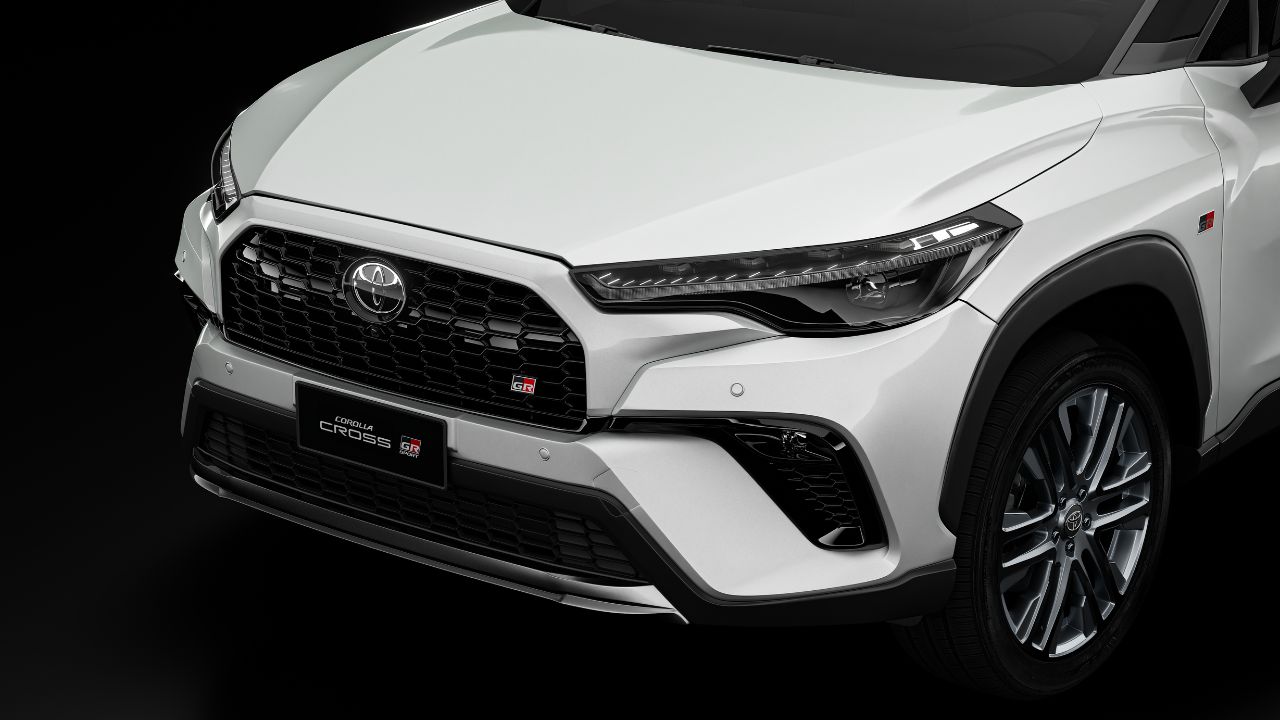
2027 Toyota Corolla Cross Unveiled: New Design, Enhanced Fuel Efficiency, Reduced Maintenance Costs, Advanced Technology, Connected Services, and Up to 10-Year Warranty

-
Fiat Cronos Precision 2018: Affordable Sedan with Spacious Trunk and Reliable Maintenance
-
Volkswagen to Cut Production by 1 Million Cars by 2030, Reducing Jobs and Platforms, Focusing on More Profitable Models

-
Toyota Launches First 100% Electric Car in Brazil: bZ4X with 343 HP, All-Wheel Drive, 361 km Range, Priced at $419,990 BRL, Limited to 99 Units



Demand Remains High for the South Korean Conglomerate, to the Point That Munoz Stated That if Hyundai Had Greater Production Capacity, It Could Sell Even More Electric Vehicles. This Perspective Also Applies to Kia.
There Is Significant Concern Among Automakers Regarding the Impact That Inflation and Interest Rates Are Having on the Energy Transition. This Concern Is So Significant That the Three Automakers Have Already Made Adjustments to Their Expansion Plans, Even Cancelling the Construction of Large Battery Plants and Delaying Launches of New Models. In This Case, High Inflation and Interest Rates Are Playing a Crucial Role.
‘I Am Still Very Optimistic About Electric Vehicles with Batteries‘, Said Jose Munoz, Global Chief Operating Officer of Hyundai, in Los Angeles, Before the Show That Opened on Friday, Adding That the Company’s Electric Vehicle Sales Are Doubling Year Over Year.
In Contrast to Its Main Competitors, Who Are Experiencing a Slowdown in Growth of Electric Car Sales in Major Global Markets, Hyundai and Kia Are Celebrating Positive Performance and Strong Demand, Especially in the United States.
According to Reuters, Executives from the Two Automakers Shared These Results During the Los Angeles Auto Show. This Perspective Contrasts with Recent Statements from Companies Like Volkswagen, Ford, and GM, Who Expressed Concerns About Slower Market Growth of Electric Cars Than Expected.
These Numbers Show the Favorable Position of Korean Automakers in the Electric Car Market Despite the General Trend.
Source: Insideevs Uol








