Portuguese
  Spanish


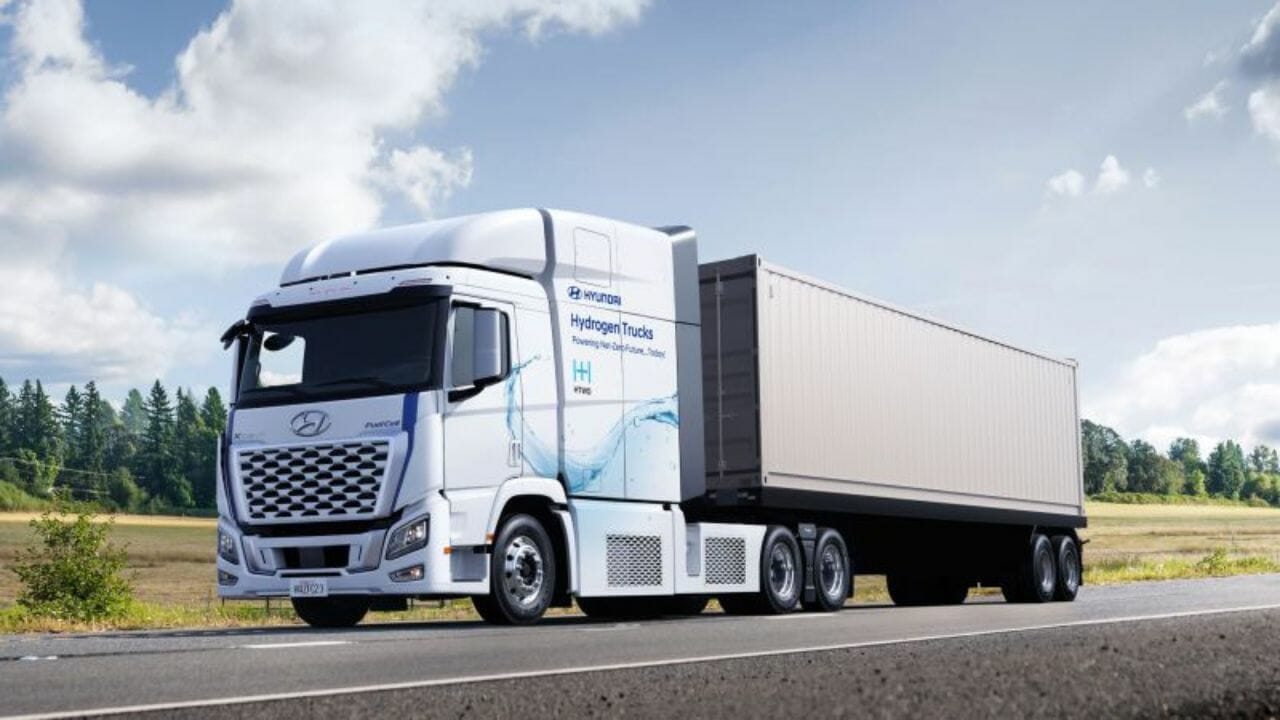

With Government Support and Technological Advances, Hyundai is Betting on Hydrogen as the Future of Heavy Commercial Mobility.
Anaheim, California – Hyundai Motor surprised the market at the Advanced Clean Transportation (ACT) Expo by launching its XCIENT Fuel Cell Truck. Company experts and executives seized the opportunity to emphasize the relevance of hydrogen as a crucial pillar for a more sustainable society.
Hydrogen as a Pragmatic Solution
Ken Ramirez, Executive Vice President and head of Hyundai’s Hydrogen Fuel Cells and Commercial Vehicles division, praised the technology. “We firmly believe that hydrogen is one of the most effective solutions to achieve our vision of ‘Progress for Humanity’. Our fuel cell technology has a proven track record in terms of efficiency and durability,” he stated.
Strategies Beyond Trucks
Mark Freymueller, Senior Vice President and head of Hyundai’s Commercial Vehicles Business Innovation division, outlined plans for the deployment of XCIENT Fuel Cell trucks in the U.S. “We are going beyond the truck itself to include areas such as hydrogen refueling and truck maintenance. In the U.S. scenario, each case will require a tailored service approach,” said Freymueller.
-
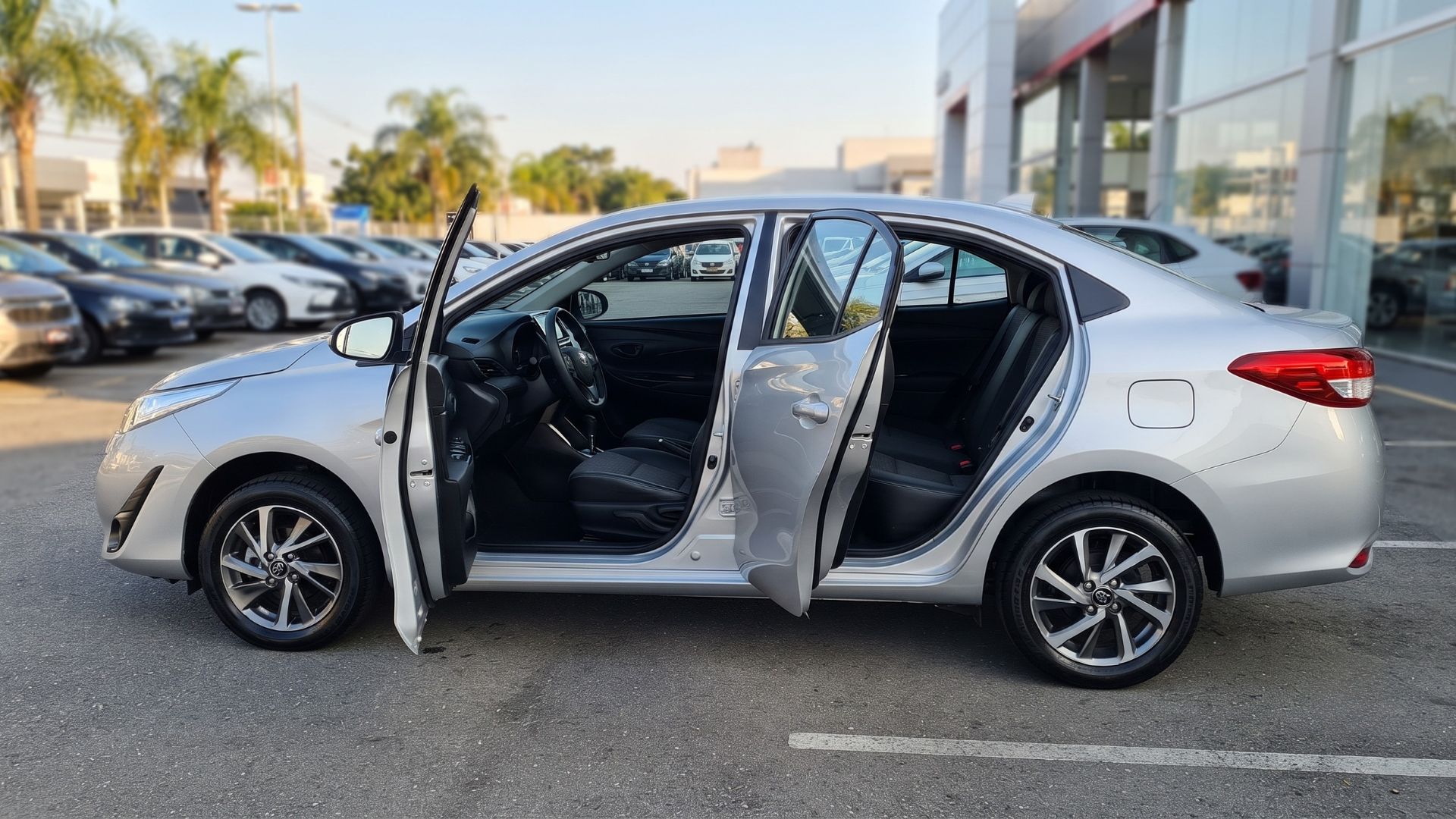
Automatic, economical, and known for reliability: with a 1.5 engine of up to 110 hp, CVT transmission, seven airbags, and fuel consumption of up to 15.9 km/l, this used hatchback appears as a rational alternative to Polo, HB20, and Onix; meet the Toyota Yaris XLS 2020.

-
He surpassed the Tera, Creta, and Tracker: With a TSI engine of up to 150 hp, 6-speed automatic transmission, and a 373-liter trunk, the Volkswagen T-Cross was the best-selling SUV in June, with 11,753 registrations.

-
It looks factory-made, but it came out of a workshop: a mechanic from Pernambuco builds a handcrafted “mini Toyota,” drives it through the streets, and the video goes viral on social media, leaving residents astonished.
-
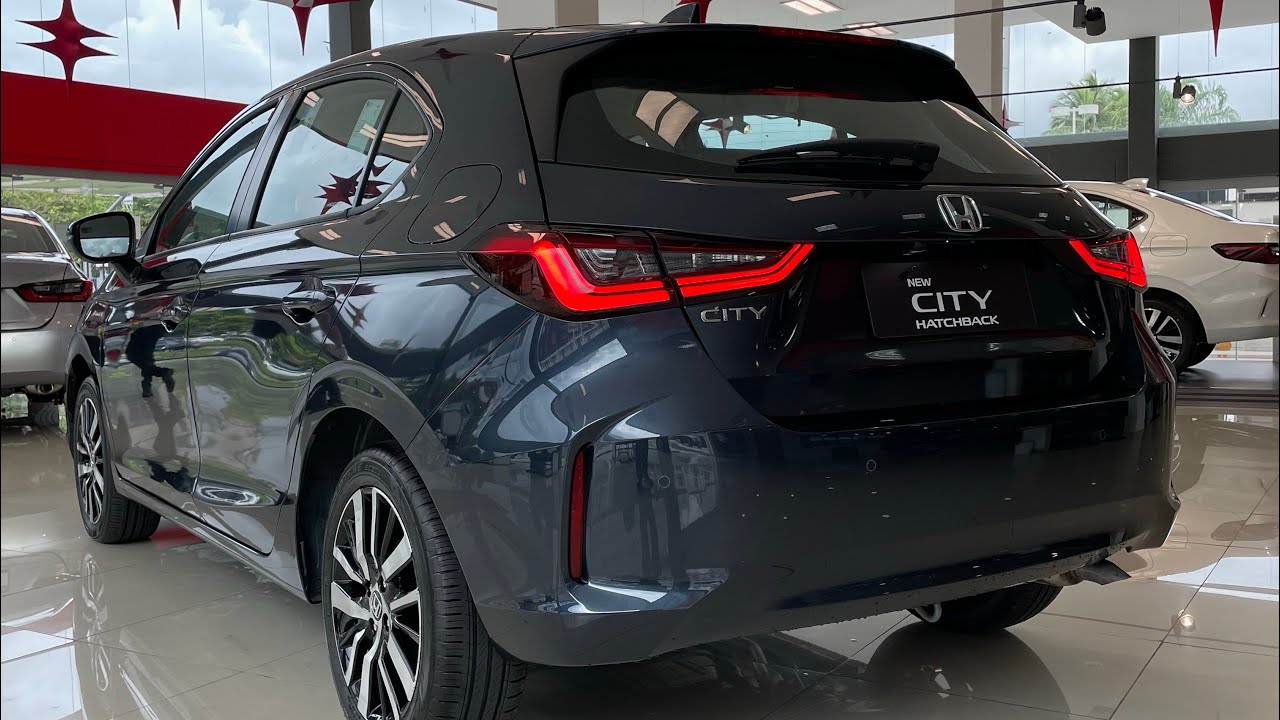
Hatch with sedan space and 1.0 car consumption: equipped with a 1.5 engine with 126 hp, CVT transmission with seven simulated gears, and consumption of up to 17.4 km/l, this used Honda delivers technology, comfort, and reliability; meet the 2022 Honda City Hatch Touring.


The Hyundai is not only looking at vehicles but at the entire hydrogen ecosystem. The company aims to utilize Hyundai Motor Group’s Metaplant America, an electric vehicle factory under construction in Georgia, as a center for developing a hydrogen mobility value chain.
Records Prove Efficiency
Martin Zeilinger, Executive Vice President and head of Hyundai’s Commercial Vehicle Development, highlighted the effectiveness of the XCIENT Fuel Cell model. “This is the only heavy electric vehicle model powered by fuel cells with a proven track record of application and technological reliability in the real world,” Zeilinger pointed out.
The Future of Hydrogen
With strong support from the U.S. government and more players entering the hydrogen market, Hyundai believes that the total cost of ownership of FCEVs (Fuel Cell Electric Vehicles) will decrease significantly. The automaker also aims to develop a clean hydrogen ecosystem through a ‘Waste-to-Energy’ business model.
This milestone for Hyundai signals a serious commitment to sustainable mobility and positions the automaker uniquely to lead the industry in transitioning to cleaner energy sources.