






 Portuguese
  Spanish


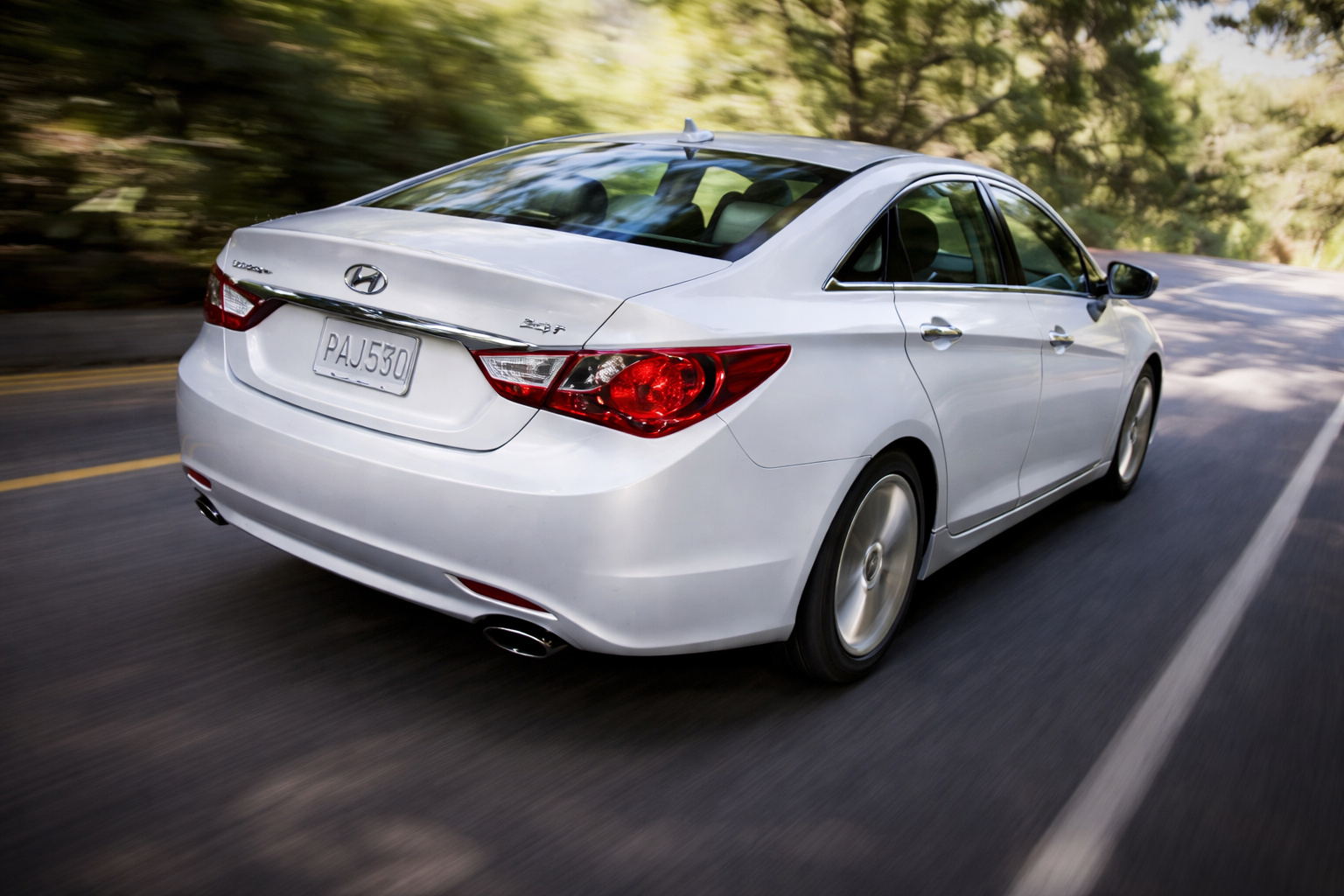


Out of Production in Brazil, the Hyundai Sonata 2.0 Aged Well Thanks to Its Simple Mechanics, High Comfort, and Good Reliability in the Used Car Market.
When it was discontinued in Brazil, the Hyundai Sonata 2.0 went almost unnoticed. There was no commotion, no memorable farewell, or direct successor. Still, over the years, the South Korean mid-size sedan built a curious reputation in the used car market: it aged better than many newer and more technological models.
Today, away from the spotlight, the Sonata has become one of those cars that surprises those looking for comfort, mechanical robustness, and predictable maintenance, attributes that are increasingly rare among modern mid-size sedans.
Why the Hyundai Sonata Was Discontinued in Brazil
The Sonata’s departure from the Brazilian market was not directly related to technical failures or rejection of the product. The main factor was portfolio strategy. At the time, Hyundai:
-
Brazil Plans to Launch Ethanol-Fueled Hybrid Cars in 2026 as an Alternative to Fully Electric Vehicles

-
Hyundai HB20S 2026 Surpasses Onix with Turbo Engine, Fuel Efficiency of 15.2 km/l, and Over 750 km Range, Leading Compact Sedan Sales in Brazil with 5,205 Units Sold.

-
Toyota Corolla GLi Upper 2019: Affordable Sedan with Spacious Trunk, 1.8 Flex Engine, CVT Automatic, and Seven Airbags Offers Comfort and Safety

-
Hyundai Elantra 2026 Returns with AI, Digital Cabin, and i20-Inspired Design Transformation



- focused efforts on SUVs,
- prioritized higher volume models,
- faced heavy competition from already established sedans.
The Sonata ended up in a commercial limbo, despite being technically competent.


Simple Mechanics That Became an Advantage Over Time
The great advantage of the Sonata 2.0 lies in its mechanical set-up. Unlike modern sedans filled with turbochargers, direct injection, and complex electronics, it relies on well-executed simplicity. The 2.0 naturally aspirated engine delivers around 150 hp, with smooth operation, linear torque, and low mechanical stress. It is a project known for:
- operating at moderate revs,
- tolerating variable-quality fuel,
- requiring basic and predictable maintenance.
This explains why many examples easily exceed 300,000 km without significant interventions.
Conventional Automatic Transmission: Less Risk in the Used Market
Another important point is the presence of a traditional automatic transmission with a torque converter, far from the dual-clutch gearboxes that became common in the following years. This type of transmission:
- better withstands severe urban use,
- has known maintenance,
- presents a lower risk of costly failures in the long term.
In the used car market, this weighs heavily in favor of the Sonata.
Comfort Has Always Been a Priority in the Design
Even when new, the Sonata stood out for its comfort-oriented tuning. Soft suspension, good acoustic insulation, and quiet operation are part of the proposal. For those driving long distances, the car still delivers:
- comfortable driving position,
- good legroom in the rear seat,
- stable driving on highways.
It is a sedan designed for traveling, not for impressing with numbers.
Interior Space and Trunk Remain Up to Date
Another area where the Sonata has aged well is its space. With a generous wheelbase, the rear seat comfortably accommodates adults.
The spacious trunk, around 460 liters, remains compatible with the family proposal and surpasses many current compact SUVs in capacity.
Features That Still Make Sense
Even far from the current generation of giant screens, the Sonata already included:
- automatic air conditioning,
- stability control,
- electric steering,
- good comfort package.
Nothing excessive, but sufficient for real use, without creating excessive dependence on sensitive electronics.
Why It Aged Better Than Many Modern Rivals
The secret lies in balance. While modern sedans focus on:
- extreme downsizing,
- high-pressure turbocharging,
- complex electronics,
the Sonata took the opposite path: conservative engineering, focused on durability and comfort. Over time, this became a competitive advantage.
Used Market: Depreciated, but Honest
Because it was discontinued and lacks a strong brand image in this segment, the Sonata often appears in the used market for prices below what it offers. This creates an interesting situation:
- compact mid-size sedan pricing,
- space and comfort of a higher category,
- predictable maintenance.
For rational buyers, it is a discreet find.
Points of Attention Before Purchase
Like any used car, the Sonata requires attention to:
- maintenance history,
- regular transmission fluid changes,
- condition of the suspension,
- provenance.
Nothing out of the ordinary, but essential to maintain the reliability of the setup.
Discreet, Robust, and Better Than It Seems
The Hyundai Sonata 2.0 left the production line without fanfare, but time has been generous to it. Today, it presents itself as a mid-size sedan that has aged gracefully, delivering comfort, robustness, and mechanical simplicity in an increasingly complex market.
It is not a trendy car or a status symbol. It is a car for real use, for those who prefer predictability to fleeting trends.


Esse sonata 2.0 nem veio ao brasil, o que veio foi o 2.4 com problema crônico na bomba de óleo o que faz dar problema no motor e gastar um rio de dinheiro. E sim, tenho um sonata 2014 que falaram que não dava mais esse problema e deu! E lá se vai mais de 20k para arrumar.
Eu tenho um Sonata 2,4 16V de 2010/2011, nunca deu problema de bomba oleo, sempre fiz manutenção e continuo fazendo, qdo comprar um carro novo, ficarei tb com meu Sonata q adoro.
No Brasil, o Hyundai Sonata foi vendido principalmente com um motor 2.4 litros de 4 cilindros a gasolina (G4KE), aspirado, que entregava cerca de 182 cavalos de potência e 23,3 kgfm de torque, acoplado a um câmbio automático de 6 marchas, sendo comercializado entre 2010 e 2014 com essa configuração.
Só estrangeira a reportagem falar que o Sonata é 2.0, pelo que sei ele é 2.4 mesmo motor da Santa Fe e Sorenti 4 cilindros.