Portuguese
  Spanish





The Average Age of Truck Drivers in Brazil Exceeds 45 Years. With a Decline in the Number of Young Drivers, Experts Warn of a Risk of Blackout in National Logistics.
Brazil depends on trucks like few countries in the world. Over 60% of all national cargo travels on wheels, from soybean and corn harvests in the Midwest to the fuel that supplies the capitals. But one fact worries experts and business owners: the average age of Brazilian truck drivers already exceeds 45 years, and the profession is facing a growing lack of renewal.
Studies released by entities such as the CNT (National Confederation of Transport) and the SEST/SENAT show that the drivers who currently keep the economy moving are aging rapidly, while young people show little interest in entering the profession.
The Decline in the Number of Truck Drivers
A survey cited by the SETCESP revealed that Brazil lost 1.2 million truck drivers in the last decade, a result of the combination of retirements, migration to other areas, and a decline in interest from new generations.
-
Why can the crane operator only obey the correct signalman on the construction site: among dozens of workers, a hand raised by the wrong person can confuse the maneuver and turn a load of tons into an immediate risk.

-
What changes with the new public transportation rules that can reduce pressure on fares and pave the way for zero fare in Brazil?
-
Argentina confirms Belgian giant to lead strategic Paraná River waterway and promises to reduce logistical costs on one of South America’s most important routes
-
MBRF surprises the logistics sector by demonstrating how Artificial Intelligence can directly influence deliveries throughout Brazil by reorganizing distribution routes in seconds, optimizing fleet usage, reducing logistics costs, and speeding up product arrivals even in the face of unforeseen road incidents.

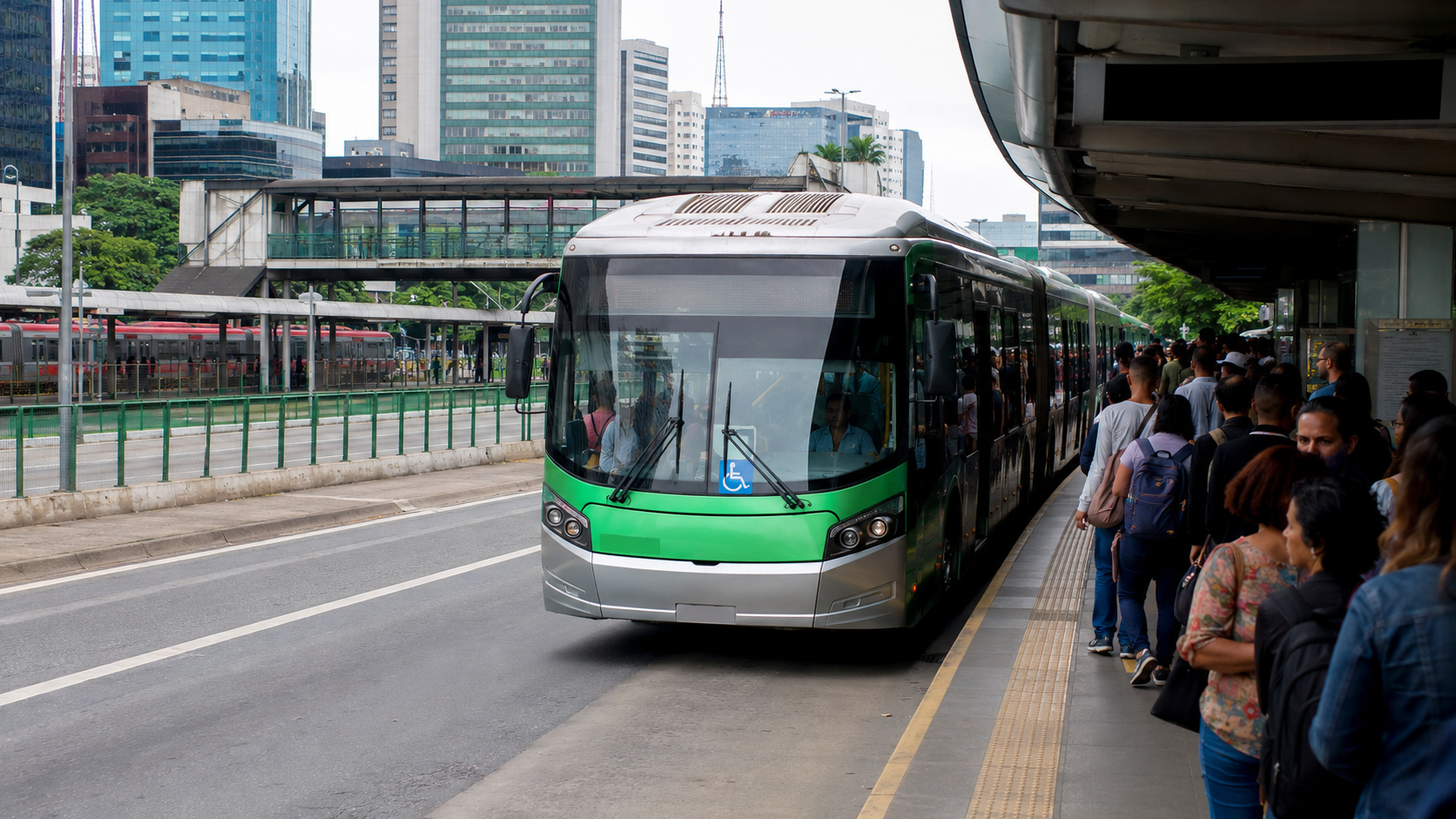




Today, less than 20% of the category is under 30 years old, while nearly half of active drivers are already over 45 years old.
This data contrasts with the needs of the economy, which continues to increase the demand for road transport, especially in agribusiness and commodity exports.
Why Young People Don’t Want to Drive
The lack of renewal is not by chance. Among the factors that deter new drivers are:
- Low Financial Attractiveness: Although the profession offers remuneration that can reach R$ 7,000 on long routes, the entry costs are high, including obtaining a category E driver’s license and mandatory courses.
- Poor Working Conditions: Long hours, insecurity on the roads, lack of rest areas, and constant risk of accidents.
- Family Impact: Life on the road requires long periods away from home, something increasingly less accepted by new generations.
According to José Hélio Fernandes, president of NTC&Logística, “being a truck driver no longer holds the same appeal as it used to. It’s a tough profession that requires personal sacrifices, and this pushes young people away.”
Consequences for National Logistics
The scarcity of truck drivers is not just a labor market issue — it’s a threat to Brazil’s competitiveness. Without renewal, the country may face:
- Increased Logistics Costs, as fewer drivers mean more expensive freight.
- Risk of Bottlenecks in Agricultural Output, especially during record grain harvests.
- Greater Dependence on Still Incipient Alternatives, such as railways and waterways, which cannot absorb the entire demand.
Agribusiness, which depends on road transport to take grains to ports like Santos and Paranaguá, is already showing concern about the lack of qualified drivers during harvest periods.
The Effort to Attract a New Generation
To try to reverse this situation, sector entities have been investing in training and incentive programs:
- The SEST/SENAT offers free training courses for new drivers.
- Some companies have created junior driver programs, where young people are trained under supervision before taking on long routes.
- Proposals for subsidies for the professional driver’s license have already been discussed in Congress as a way to reduce the initial cost for those who wish to enter the profession.
Despite this, participation remains low. Many young people prefer professions related to technology or urban services, where the routine is more predictable and less exhausting.
An Uncertain Future Ahead
If nothing changes, Brazil risks facing a truck driver blackout in the next decade. The lack of skilled labor could hinder national logistics at a time when the demand for transport grows alongside agribusiness and exports.
The renewal of the truck driver workforce is as urgent as modernizing the truck fleet. The country needs to make the profession more attractive, safe, and valued — or risks watching the machinery that drives its economy lose strength over time.