






 Portuguese
  Spanish


Japan Discovers More Than 200 Million Tons Of Rare Metals On Remote Island, Revolutionizing The Future Of Technology. The Country Promises To Begin Extraction Soon, Transforming The Global Industry And Its Economy.
The Japanese island of Minamitori, located in the far east of the country, about 1,800 km from Tokyo, is not inhabited by a civilian population. The small island in the Pacific Ocean, approximately 1.2 km², is part of Japan’s Exclusive Economic Zone and is home to members of the country’s Maritime Self-Defense Forces, as well as government officials responsible for administering the territory. More recently, there has been a discovery of rare metals in Japan, specifically on the island that promises to completely change the market.
Understand What Changes With The Discovery Of Rare Metals In Japan
First spotted in 1868 by Western navigators, the island was officially incorporated into Japan in 1898 and was used, during the Second World War, as a military base. Later, the Japanese island was occupied by the United States and remained under that country’s possession until 1968, when it was finally returned to the Japanese.
Since then, the Japanese island has served as a field for scientific research, environmental monitoring, and, with a recent and revolutionary discovery, as a strategic hub for mineral resources.
-
Study Reveals 97% of Pregnant Munduruku Women in the Brazilian Amazon Have Mercury Levels Above Safe Limits, 90% of Newborns Contaminated by Gold Mining

-
China could reduce iron ore imports from 80% to 50% of consumption by 2030, while its share in global steel production falls from 52% to 46%, in a shift that could reshape the global market, says CMRG.
-
Brazil is sitting on one of the largest lithium reserves in the world, in the Jequitinhonha Valley, but national mining has almost become an appendage of China: 97% of the metal’s export goes to a single country, which also dominates refining.
-
Iron ore falls to 762 yuan in China as real estate sales decline and steel production hits lowest level since 2018


More than five thousand meters below the seabed, a team of Japanese scientists from the Nippon Foundation and the University of Tokyo made a valuable discovery of rare metals in Japan: it is a giant deposit of “manganese nodules” to be extracted from the seabed. Approximately 230 million tons of nodules rich in rare metals, including cobalt and nickel, have been found, according to Japanese websites.
The discovery of rare metals in Japan, made during research conducted by the group between April and June 2024, led to a further objective beyond the usual scientific monitoring.
More Than 100 Locations On The Japanese Island Are Mapped To Find Rare Metals
A plan has been initiated for the exploration and mineral extraction of the region, set to begin in 2025 and focused on commercial objectives. More than 100 locations on the seabed have been mapped using a remotely operated underwater vehicle.
Among them, besides the “manganese nodules,” black balls have been extracted like truffle tufts from the ocean floor. Fossilized teeth of the giant prehistoric shark megalodon have also been found, whose size was colossal.
According to Yushiro Kato, a geology professor at the University of Tokyo, after the discovery of rare metals in Japan, the goal now is to extract three million tons of resources per year and advance development while minimizing the impact on the marine environment. He states that these minerals have strategic value for the country’s economic security.
Understand How Rare Metals Appeared On The Japanese Island
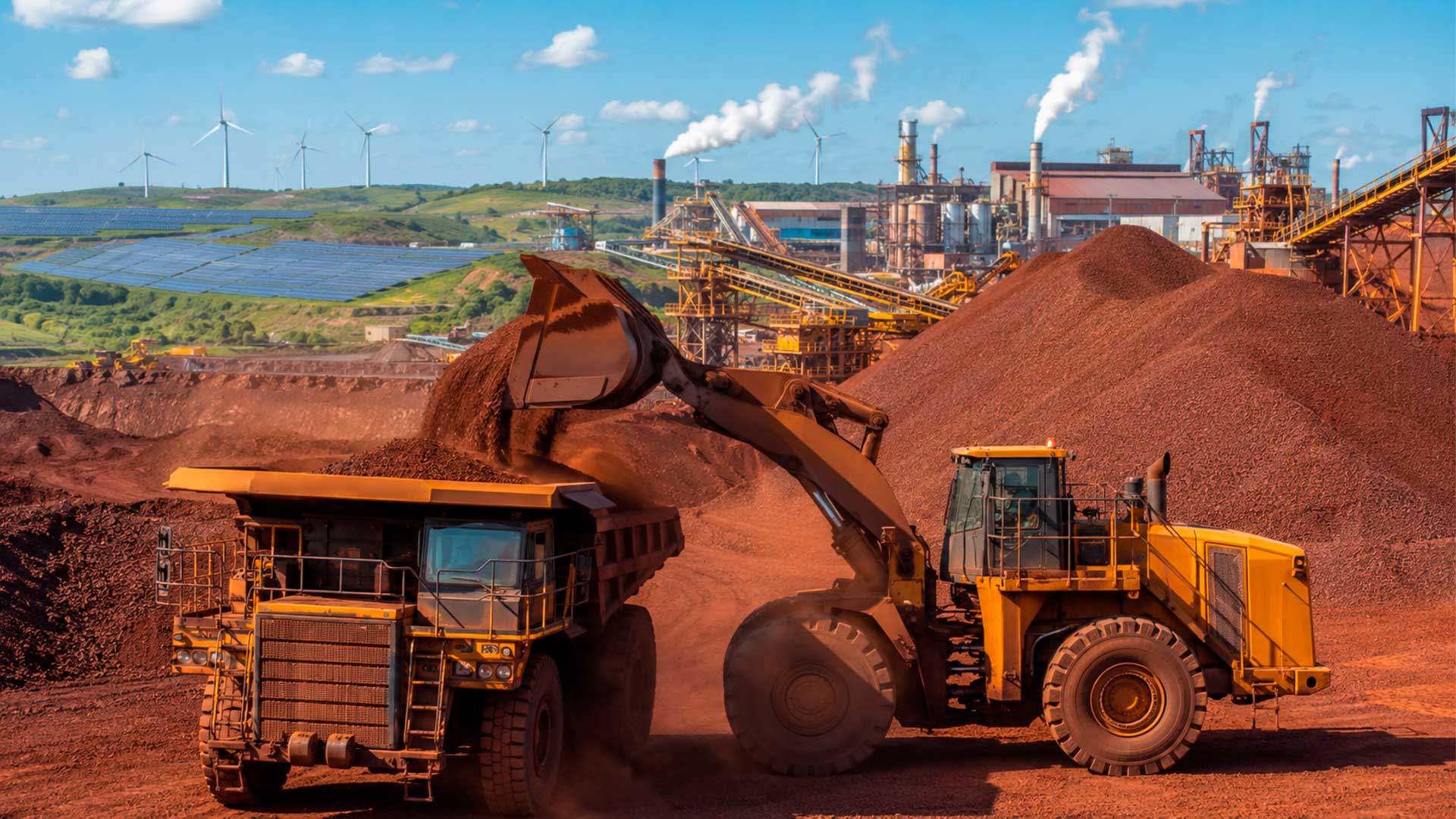
The discovery of rare metals in Japan is the result of millions of years of sedimentation of metals on the ocean floor, from fish bones and other residues that merged during this lengthy process to form up to 610 thousand tons of cobalt. This, combined with the estimated 740 thousand tons of nickel, could provide ore for Japan for up to 75 years.
Nickel and cobalt are widely used in high-tech sectors, in clean energy generation, and in the production of electrical components. Among their various applications are the production of lithium batteries used in electric vehicles and electronics (smartphones, laptops, and tablets, for example).
The production of stainless steel, use in green technology, such as wind turbines and solar energy, for energy storage, and in the production of superalloys used in aviation, jet engines, and other parts aimed at space exploration.




Mãos a obra. Ainda bem que a ilha já é uma zona militarizada.
Nas mãos do Japão que é especialista em agregar valor às riquezas de outros países, essa descoberta significa que menos territórios alheios serão explorados para alimentar a indústria japonesa. Enquanto isso espero que o Brasil aprenda também a agregar valor às suas riquezas para deixar de ser um país tecnologicamente dependente… Deus nos deu um paraíso, temos tudo, mas até agora não aprendemos a explorar. Até nossa maior reserva de urânio está sendo vendida a preço de amendoim 🥜🥜🥜.
“O objetivo é retirar 3 milhões de toneladas por ano”…. Não houve um pequeno equívoco aqui?