Portuguese
  Spanish




After Aneel Decision in April 2025, Experts Discuss How the Hydroelectric Plant Can Contribute to the Security and Stability of Renewable Energy in the Country
The decision by the National Electric Energy Agency (Aneel), announced on April 2, 2025, to revoke the concession of the company São Pedro II Energia for the implementation of a wind farm in Piauí, once again brought to public debate the importance of stable renewable sources in Brazil.
According to the website Portal O Dia, the company failed to meet the obligations outlined in the contract, which led to the termination of the project concession. The case reinforces the need for a diversified energy matrix, where hydropower plays a strategic role.
The Structural Role of Hydropower in Brazil
Hydropower represents a significant share of electricity generation in Brazil. The availability of water resources in different regions allows the country to maintain a source of energy with low operational costs, reliable, and responsive to variations in demand.
Additionally, hydropower plants operate with flexibility, able to quickly adjust production according to the system’s needs. This capacity is fundamental to compensate for the intermittency of other renewable sources, such as solar and wind.
-
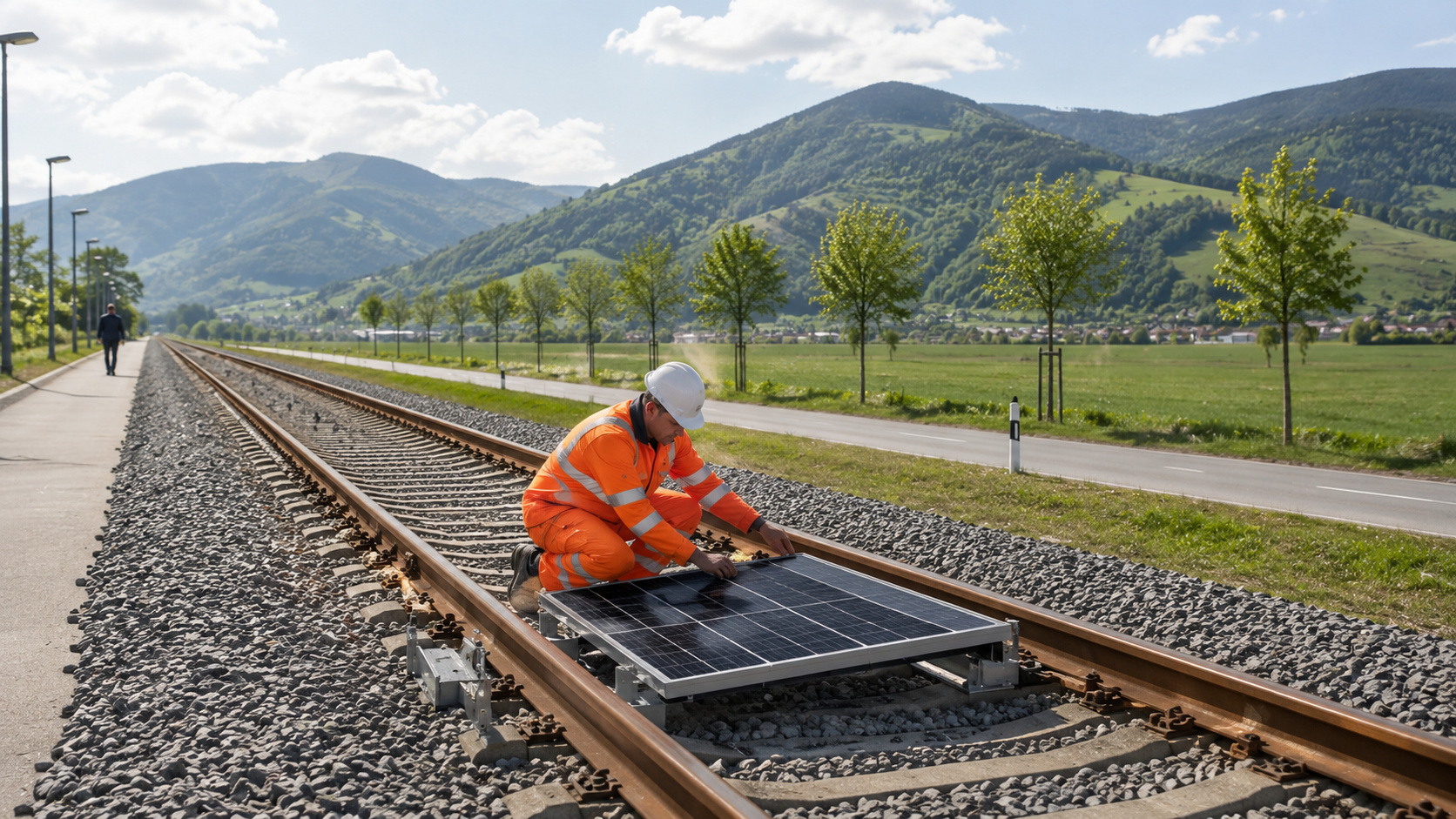
After a Year of Success in Switzerland, Solar Railway Attracts Italy’s Interest for Clean Energy Transformation

-
Robots Clean Solar Panels in Desert Power Plants Without Water, Preventing Energy Losses
-
Brazil’s Offshore Wind Energy Potential Worth $1 Trillion Stalled by Long-Delayed Agreement

-
World’s Largest Engie Solar Plant in Brazil Highlights Billion-Dollar Energy Waste Issue: Company Considers Batteries and Bitcoin Mining to Avoid Wasting Production



Environmental and Social Benefits of Hydropower
By using water as the main resource, the hydropower plant contributes to the reduction of greenhouse gas emissions. This aligns Brazil with global climate goals and reinforces its commitment to sustainability.
Additionally, the implementation of hydropower projects can boost regional development. Associated infrastructure works—such as roads, schools, and health posts—benefit nearby communities, along with the generation of direct and indirect jobs.
Challenges and Criteria for Hydropower Development
The construction of hydropower plants, however, requires detailed planning. Environmental impact assessments, analysis of water resources, and social participation are essential elements to ensure that benefits outweigh impacts.
Poorly conducted projects can affect ecosystems and local communities. Therefore, adopting strict technical and environmental criteria contributes to a more sustainable energy model.
Integration Among Renewable Sources
The integration of hydropower plants, solar farms, and wind farms allows for a more balanced and resilient energy matrix. While intermittent sources depend on climate, hydropower acts as a stabilizer for the system, providing support during low production periods of others.
Additionally, small hydropower plants (PCHs) have stood out for serving remote locations with lower environmental impact, offering more flexibility to the sector.


Innovation and Modernization of the Hydropower Sector
Moreover, the incorporation of new technologies enhances the efficiency of hydropower plants. For example, automation systems, remote monitoring, and digital environmental control contribute, thus, to a safer and more efficient operation.
With support from public policies and private investments, it is possible to upgrade old plants, reduce energy losses, and ensure a more responsible management of natural resources.