






 Portuguese
  Spanish
  3 min of reading
  0 comments


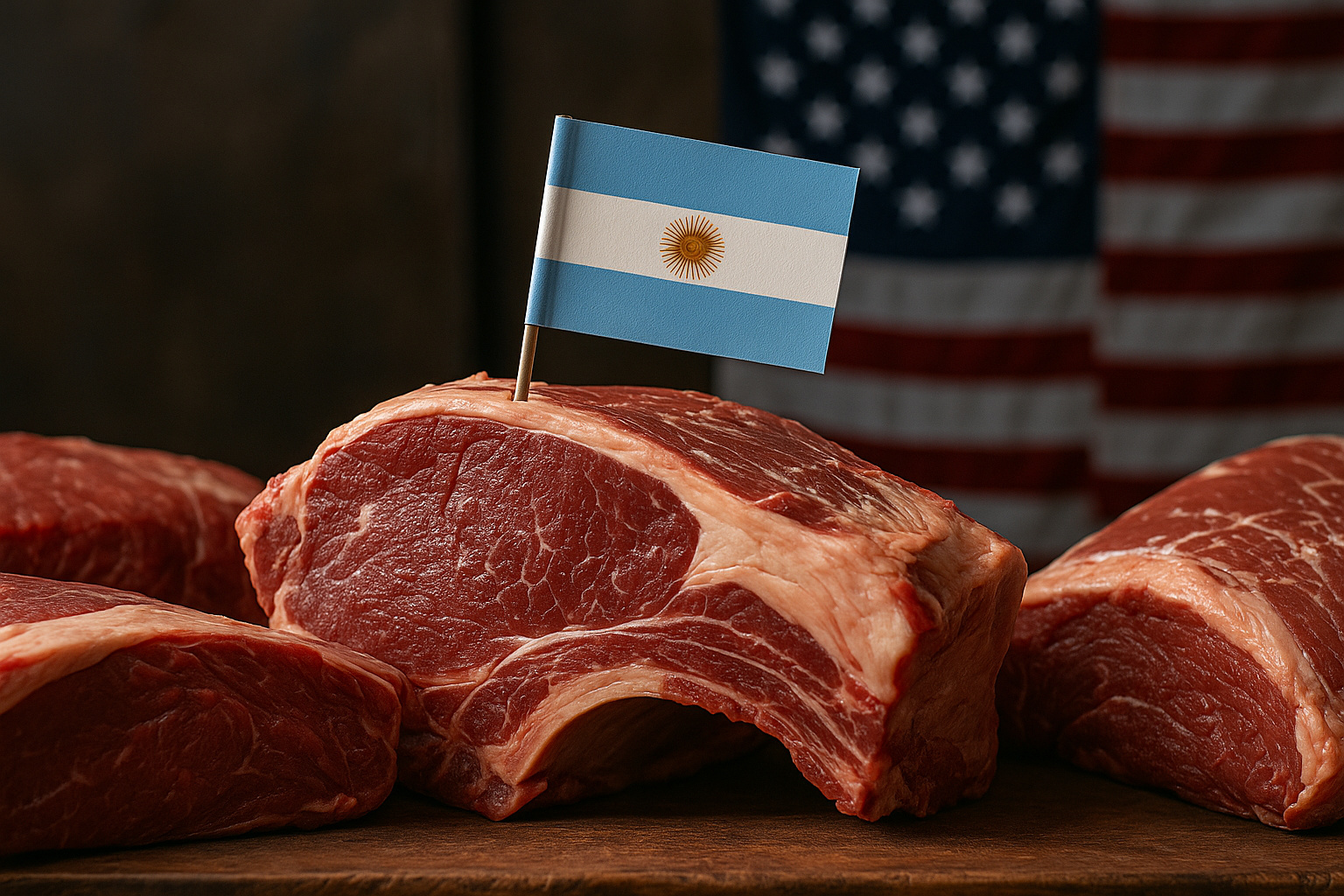
Government Seeks Quick Alternative to Ease High Food Prices and Strengthen Relationship with Buenos Aires
The President of the United States, Donald Trump, stated on Sunday, October 19, 2025, that the country may import beef from Argentina. The measure is part of an effort to reduce consumer prices and, therefore, curb inflation.
The statement was made onboard Air Force One, during a conversation with journalists. Additionally, the President reinforced the White House’s intention to act directly on food costs, seeking immediate measures.
Reasons for the Rise in Meat Prices in the U.S.
The rise in beef prices in the United States is mainly due to the prolonged drought in Texas, which, in turn, is responsible for a large part of the country’s agricultural production.
Consequently, the lack of rainfall has reduced the supply of cattle and increased transportation and animal feed costs.
Furthermore, there is a decline in Mexican imports due to the presence of a carnivorous pest in the herds. This reduction in external supply has affected the balance of the domestic market and intensified pressure on prices.
As a result, the set of factors pressures the domestic market, raises costs, and complicates inflation control.
Finally, the combination of drought and pests has created an unfavorable scenario for price stability, requiring an urgent response from the American government.
Brazilian Beef Back on the U.S. Radar with Tariff Review and New Export Cycle Promise
ARTICLE CONTINUES BELOWSee also
For the first time in history, solar and wind energy generated more electricity than natural gas worldwide in a single month, April 2026, a milestone in the energy transition that shows renewable sources taking the lead in the global electric system.

Petrobras is expected to complete the drilling of the Morpho well in the Foz do Amazonas in August 2026, the first well in the Equatorial Margin, an oil frontier that the ANP estimates at more than 30 billion barrels and could redraw the map of Brazil.
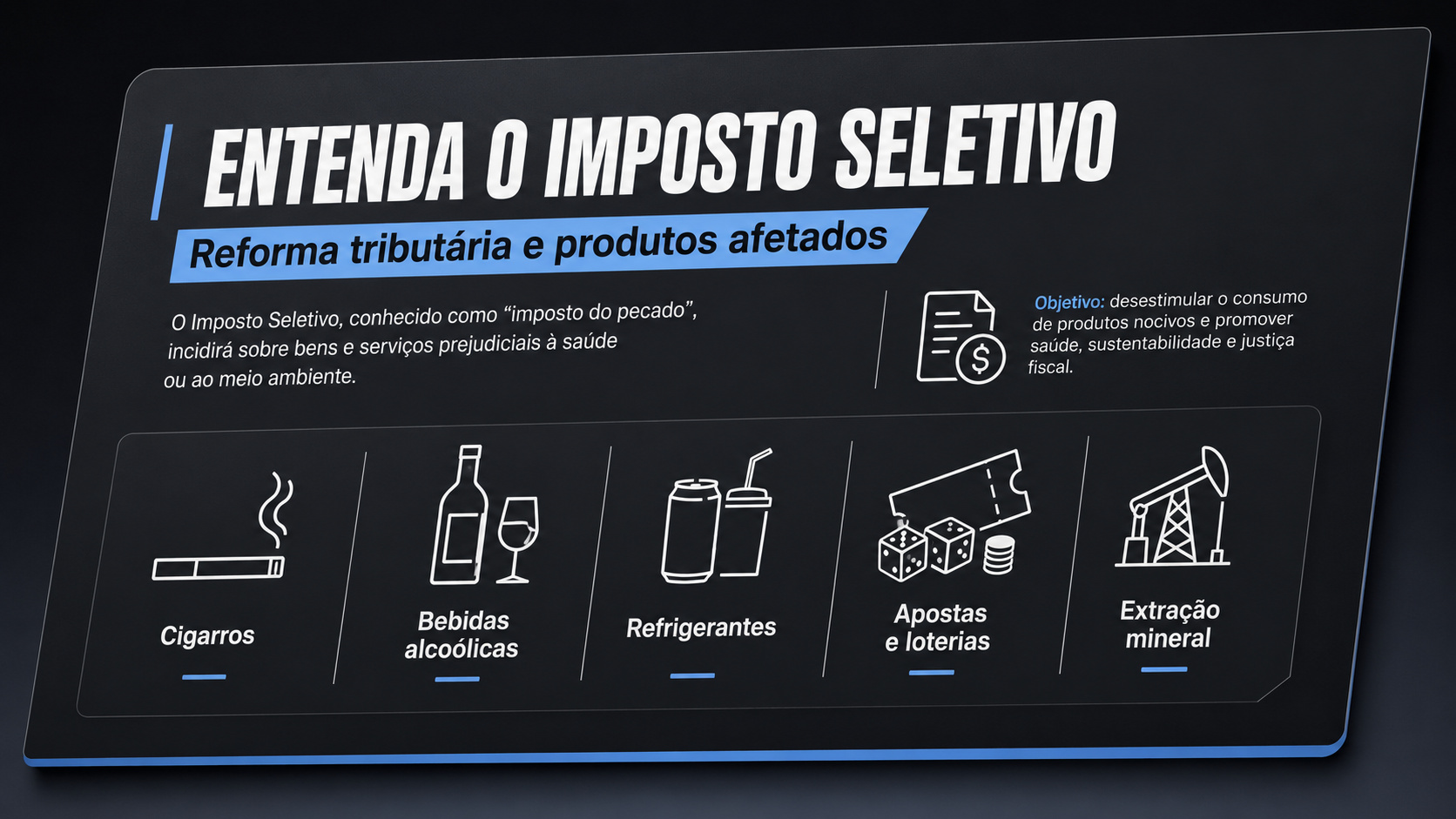
Government confirms sin tax for 2027 and explains why alcoholic beverages and cigarettes should not become more expensive right away, despite the new tax also covering soft drinks, polluting vehicles, mineral extraction, lotteries, betting, and fantasy sports games in a change that still depends on Congress.

Anvisa reveals flaws in supplements from IDNLABS and suspends 11 batches that include creatine, BCAA, beta-alanine, and multivitamins; the measure affects products with quality, composition, and labeling issues, while consumers are advised to check the printed codes on the packaging.



American Government Strategy and Approach to Milei
According to Trump, the possible import of beef from Argentina is part of a strategy to balance food prices and ensure continuous supply.
Additionally, the President seeks to strengthen trade ties with Buenos Aires, taking advantage of the political alignment with Javier Milei, considered a strategic ally.
Since September, the two governments have maintained frequent dialogue on economic cooperation, demonstrating an increasing diplomatic rapprochement.
During the same period, the U.S. Treasury Secretary, Scott Bessent, announced negotiations for a temporary credit line of US$ 20 billion with the Central Bank of Argentina.
Moreover, the agreement also foresees possible purchases of primary and secondary debt from the country, strengthening bilateral economic relations.
Thus, the goal is to strengthen the Argentine peso, which is suffering from severe devaluation, and, therefore, generate economic stability.
The initiative, in turn, should occur before the midterm legislative elections in Argentina, adding an important political component to the negotiation.
Political Conditions and Impact on the Sector
Trump conditioned American assistance on the outcome of the elections in Argentina, stating that “if Milei does not win, we will not waste our time”.
Thus, the statement reinforces the political alignment between the two leaders and shows the attempt of the United States to influence Argentina’s economic stability.
Agricultural sector experts, on the other hand, claim that the measure may have a limited effect on U.S. domestic prices.
This occurs because, according to analysts, the amount of imported beef tends to be restricted, which reduces the real impact on the domestic market.
Even so, the gesture is seen as a diplomatic and strategic signal amid the inflationary scenario and international agribusiness tensions.
Furthermore, the shortage of beef supply and the pressure on prices justify the decision to seek new trade partnerships, strengthening the country’s food security.








-

1 person reacted to this.