






 Portuguese
  Spanish
  5 min of reading
  0 comments


In a single year, scientists from a major ocean census cataloged over one thousand one hundred marine species that no one had ever described, a pace of discovery that shows how much the sea remains the least known place on our planet.
We often think we’ve mapped everything, but the ocean insists on proving otherwise. An international effort called Ocean Census announced it had cataloged 1,121 new marine species in just one year, an impressive number that highlights the vast unknown beneath the water. Each of these creatures existed there all along, living in the dark, waiting for someone to find and finally describe them.
What is most enchanting about this batch is the variety of what appeared. Among the discoveries are a deep-sea fish related to sharks, a sponge that captures its prey with tiny hooks, and a shrimp hidden in a cave on the French coast. These are life forms so different and strange that they seem to come from another world, and they are all here, in ours, at the bottom of the sea surrounding the continents.
Why the ocean hides so much
There is a very concrete reason why the sea holds so many secrets; it is simply vast and too difficult to explore. Most of the ocean is deep, dark, cold, and under crushing pressure, conditions that make each expedition expensive and technically complicated. Sending equipment and cameras thousands of meters deep is almost like exploring another planet, and that’s why the vast majority of the ocean floor remains practically untouched by science.
-
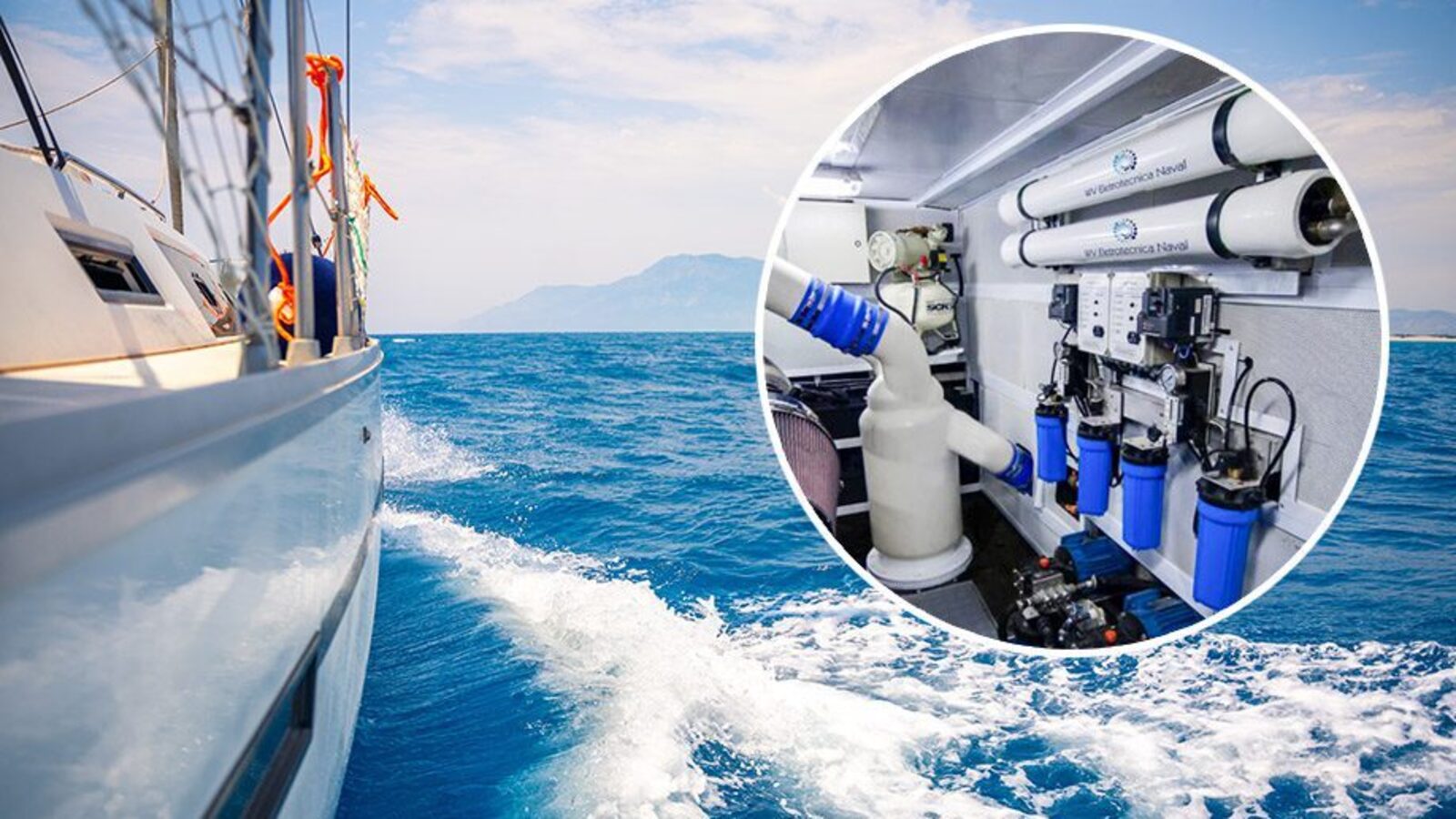
Brazilian family creates machine that transforms seawater into fresh water, produces up to 130 liters per hour, facilitates routine on vessels, and boosts family business along the country’s coast.

-
A doctor from Minas Gerais warns that sleeping with the fan pointed at the body all night is not as harmless as you think; it dries out the respiratory tract, causes mucus buildup, spreads dust mites, and can even irritate the cornea of the eyes.

-
Ecuadorian volcano at 6,268 meters is more than 2,000 meters closer to space than Everest, which is 8,848 meters, because the Earth is wider at the equator.
-
Public school students in the hinterlands of Maranhão create a bioinsecticide with neem and castor to protect corn crops, transform rural waste into biogas and biofertilizer, and bring sustainable technology to producers at ExpoSertão.



I confess that I find it fascinating to think that we know the surface of the Moon better than our own ocean. Each deep dive usually reveals creatures no one imagined, and the pace of 1,121 species in one year only reinforces this idea. The more we look, the more appears, a clear sign that we are just beginning to understand the biodiversity that hides in the depths.
It’s worth understanding how this army of discoveries is assembled. The Ocean Census brings together scientists, museums, and institutes from various countries in a global task force, organizing expeditions and speeding up the most time-consuming part of the work, which is formally describing and naming each new species. Traditionally, a newly found creature could take years to be officially recognized by science, stuck in a queue of analyses. By speeding up this process, the project can transform into registered knowledge a quantity of life that previously remained forgotten in drawers and laboratory jars. It is a collective effort that combines the courage to dive deep with the patience to catalog, showing how discovering the ocean depends as much on technology as on cooperation between nations, in a work that unites the laboratory and the open sea like few fields of science can.

Creatures that seem like fiction
Anyone looking at the photos of these new species understands why marine biologists are so enchanted with what they do. The depths produce bizarre and ingenious life forms at the same time, fish with translucent bodies, creatures that glow in the dark, animals with frightening teeth, and adaptations that seem to defy common sense. All this is the result of evolution responding to an extreme environment, where survival requires creative solutions.
Each of these creatures tells a story about how life adjusts to the most hostile conditions. A sponge that hunts with hooks, for example, or a fish that lives under pressure capable of crushing metal, are testimonies of how flexible and inventive nature can be. Describing these species is not just about collecting new animals; it is about better understanding the limits and possibilities of life itself on the planet.

Discovering is also protecting
There is an urgent side to this race to catalog marine life, and it has to do with time. The ocean is under increasing pressure, with warming waters, pollution, and resource exploitation advancing rapidly over ecosystems we barely know. Discovering and describing species is the first step to protecting them because it is impossible to defend what we don’t even know exists. Each cataloged creature becomes a concrete argument for preservation, another name on the list of what exists and deserves to be defended before it disappears without ever having been known.
This is precisely the value of initiatives like the Ocean Census, which accelerates the pace of discoveries at a time when the clock is ticking against the ocean. Mapping marine biodiversity before it is threatened is a race against time, and each new species found helps to draw a more complete picture of what we still have to lose if we don’t take care of the sea.

The sea still holds almost everything
I imagine how many other creatures, at this very moment, swim or crawl along the ocean floor without anyone knowing they exist, waiting for the next expedition to finally bring them to the light of human knowledge. If more than a thousand new species appeared in a single year, what still sleeps in the depths must be of an almost unimaginable quantity, an inventory of life that we have barely begun to open.
The work of the Ocean Census is a beautiful reminder that the era of great discoveries is not over; it has just moved underwater. While we explore space in search of life out there, our own planet remains full of unresolved mysteries, hidden precisely in the closest and most ignored place there is, the ocean floor, right there, beneath the same waves we see every day without imagining what they hide.
Isn’t it amazing to think that the ocean of our planet still hides more species than we can imagine?


Be the first to react!