






 Portuguese
  Spanish
  3 min of reading


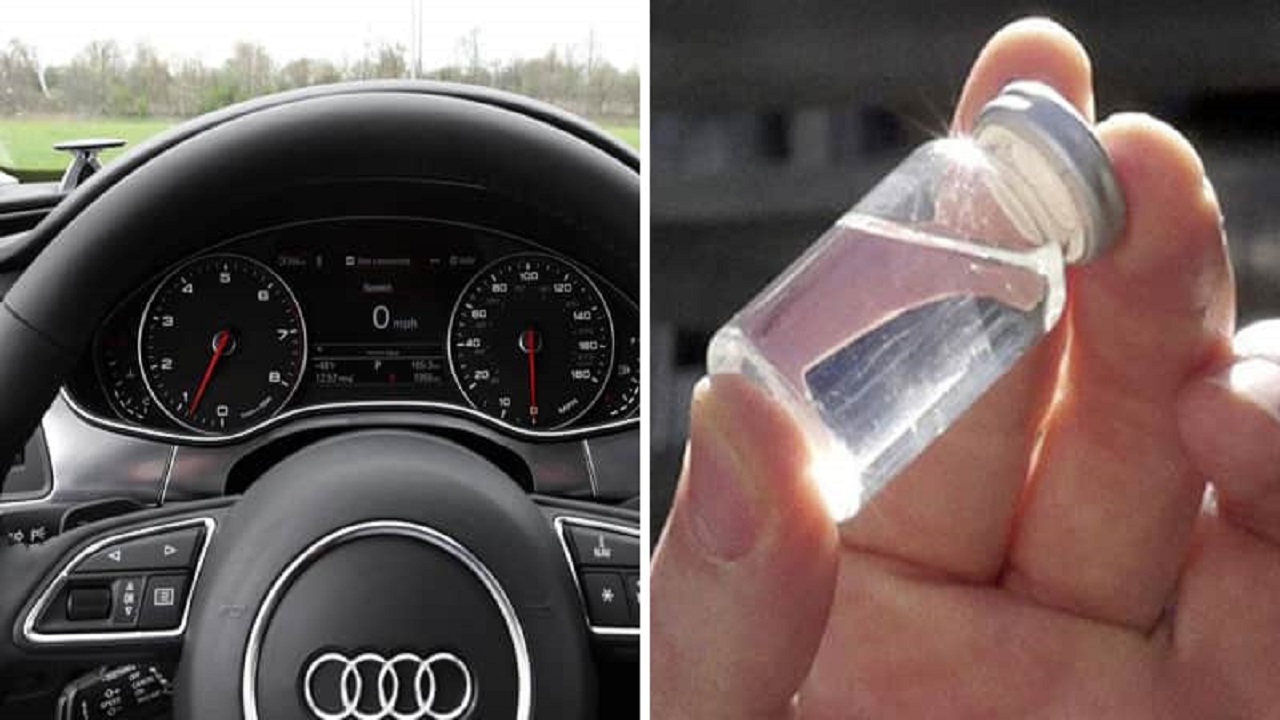
Various Entities in the Automotive Sector Have Claimed That Synthetic Gasoline Is Cleaner Compared to Petroleum Derivatives. However, Recently Studies by Experts Have Found That Synthetic Fuel Pollutes Just Like Regular Gasoline
Presented as another solution to electric vehicles, synthetic fuels may not be as sustainable as advertised. This is the conclusion of some tests conducted by the European publication Transport & Environment (T&E). According to the analysis, new emissions tests showed that vehicles powered by synthetic gasoline emit roughly the same amount of NOx as models using petroleum-derived fuels. In summary, synthetic gasoline is chemically similar to regular gasoline and diesel and has been presented by the automotive and fossil fuel supply industry as a way to prolong the use of combustion cars amid the energy transition.
Read Also
Use of Synthetic Gasoline Will Not Have a Significant Impact on Reducing Pollutants

However, converting clean energy into fuels that do not utilize petroleum is a process that incurs significant efficiency losses; moreover, the production cost is very high, and it has now been discovered that despite the entire process, synthetic gasoline is not as clean as it seems.
-
Two new 300cc models from QJ Motor are expected to arrive in Brazil as SBM to target the CB 300F and shake up the low-displacement market, with more power and liquid cooling than Honda.

-
Camaro may reappear in 2027, but not as you remember: Chevrolet prepares the return of the icon with four doors, manual transmission, and an extreme performance version to face the new era of sports cars.

-
Is the BYD Song Pro worth it? The Anderson Sincero channel says it doesn’t exceed R$ 140,000, and the price dropped by R$ 47,000, reinforcing the depreciation of the plug-in hybrid in the Fipe table.
-
Caoa Changan CS75 arrives for R$ 199,990 with 4.77 m in length, a trunk of up to 1,620 liters, 8-speed Aisin transmission, 180 hp, 37.2 inches in screens, and Zero Gravity seat with massage.


T&E concludes that the use of petroleum-free gasoline in vehicles will not lead to a significant reduction in gases that cause air quality problems in cities. Emissions from a car using petroleum-derived gasoline and three different mixtures of synthetic gasoline were compared in laboratory tests.
Essentially, a model running on synthetic fuel emits high levels of toxic NOx in the same proportion as cars with regular gasoline engines. Furthermore, when considering the standard E10 gasoline in the European Union, synthetic gasoline releases three times more ammonia and carbon monoxide, according to the research organization IFP Energies Nouvelles.
Production of Synthetic Gasoline Is Less Efficient Than Electric Car Energy
According to the analysis, the automotive sector’s proposals to make room for and incorporate synthetic fuels into the CO2 emissions targets for cars sold in Europe will increase final costs for motorists.
Thus, driving a model that uses synthetic gasoline rather than regular gasoline will cost €10,000 more than a similar electric car over a five-year period.
Finally, the manufacturing of fuels that do not use petroleum has much lower efficiency than electric car energy. Achieving a 10% market penetration of new cars running on synthetic gasoline instead of electrifying them will require 23% more electricity from clean sources, according to an independent T&E study.
Electric Cars Are the Best Option for Sustainability
Petroleum-free fuels have lost the race for sustainable mobility; however, they never came close. Battery electric vehicles offer drivers the cleanest, most accessible, and efficient solution for decarbonization, while synthetics are more suitable for airplanes, where electrification is still not an option.
While brands like Mercedes-Benz have already announced that this type of fuel is not part of their plans to reduce emissions, manufacturers like Porsche, although betting on electric vehicles, have been investing in the production of synthetics.

Graduated in Journalism and Marketing, he is the author of over 20,000 articles that have reached millions of readers in Brazil and abroad. He has written for brands and media outlets such as 99, Natura, O Boticário, CPG – Click Petróleo e Gás, Agência Raccon, among others. A specialist in the Automotive Industry, Technology, Careers (employability and courses), Economy, and other topics. For contact and editorial suggestions: valdemarmedeiros4@gmail.com. We do not accept resumes!


Be the first to react!