Portuguese
  Spanish



In Order to Further Increase the Number of Solar Power Plants in Rural Areas, the Agribusiness Industry Established a New Partnership with Edmond
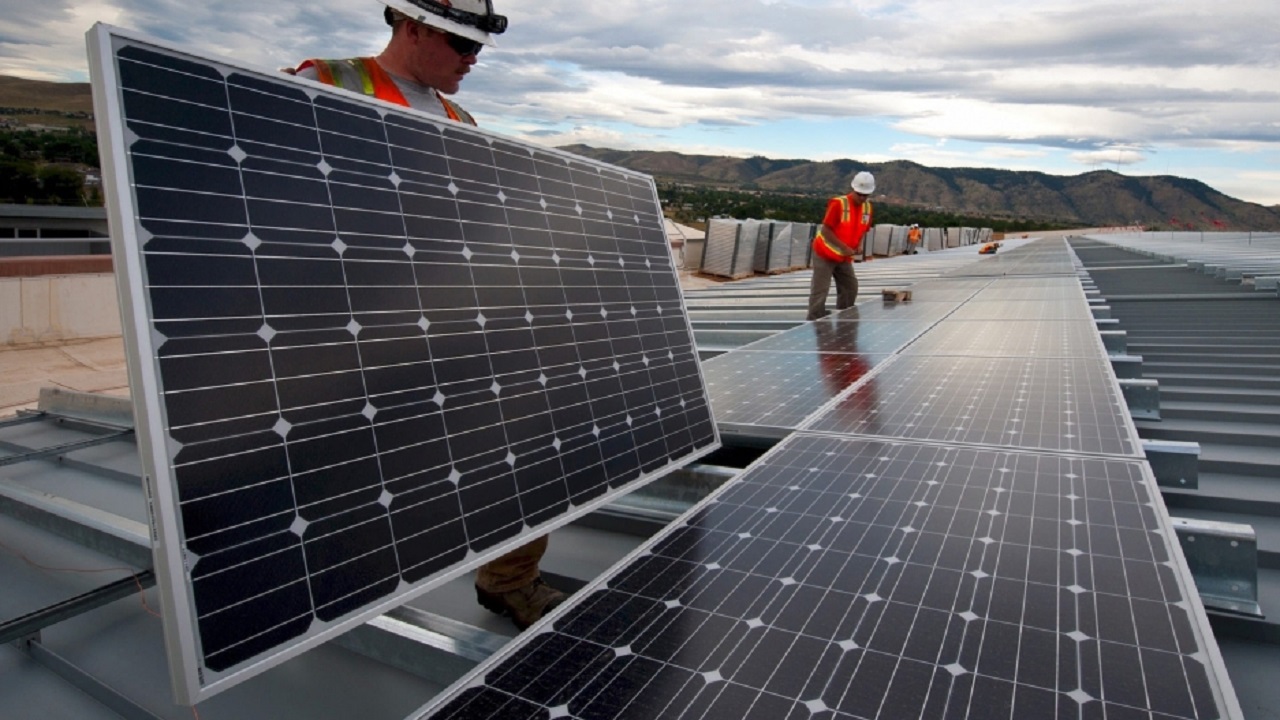
Edmond and the agribusiness industry Agropermuta have closed a partnership aimed at enabling the implementation of solar energy projects on rural properties through the commitment of the farmer’s future production. The expectation is that by the end of this year the agribusiness industry will reach around R$ 50 million to R$ 70 million in signed contracts and new solar power plants built.
Read Also
Partnership of the Agribusiness Industry Promises to Revolutionize the Sector
According to industry executives, the idea for the project emerged a year ago. The intention is to combine the activities of both industries in their areas. Edmond specializes in renewable energy, while Agropermuta operates in agribusiness.
The partnership between the two fintechs seems promising, given that in the current scenario investments in solar energy in rural areas are seen as positive, as solar energy accounts for a large part of the installed capacity in Brazil. According to ABSOLAR, based on information from Aneel, the rural sector accounts for 13.1% of distributed generation capacity in Brazil’s solar energy sector. Totaling 678 Megawatts, it follows only behind commerce and services and residential consumers.
-
Young Entrepreneur Expands from 50 to 1,400 Chickens, Proving “Happy Hens” Can Be a Viable Business

-
Giant Batteries Take Center Stage in Chile Auction as Company Offers 960 GWh of Solar Energy for Nighttime Use, Aiming to Stabilize Solar Power Supply
-
Small Farm in Brazil’s Minas Gerais Produces 403 Liters of Milk Daily, Sets Benchmark for Rural Producers
-
Man Revives 1930s Abandoned Trout Farm, Learns from Scratch, and Earns $1.1 Million Annually Selling Fish to Michelin-Starred Restaurants





Executive Directors Point Out Evolution of the Rural Sector
According to Jackson Chirollo, CEO of Edmond, solar energy in rural areas has been developing increasingly over the past few years, and since his company is a fintech providing financial solutions for the energy market, he could not leave out rural producers. Initially, the partnership between the agribusiness and energy sectors will focus on solar power plant projects ranging from 100 kW to 500 kW, with plans for expansion to larger capacity projects, the executive states.
Clients will comprise grain producers in Minas Gerais, Mato Grosso, Goiás, and Mato Grosso do Sul, but the expectation is to expand to other states starting in October or November of this year.
According to John Alex Kalef, executive director of Agropermuta, the company’s responsibility is to structure the financial operation for rural producers, assessing whether it is viable for the client to commit their production to the solar energy project that will be installed on the property. Kalef states: “We will not take land as collateral; the guarantee will be the solar power plant itself, and production serves as backing. Once the payment is made, we will release the proportionality of the collateral.”
Solar Energy in Rural Areas
Chirollo, from Edmond, asserts that the contract also states that the rural producer must have their solar power plant meet sustainability criteria. He claims that all installations will be registered on an international platform allowing them to be classified as sustainable energy generators.