






 Portuguese
  Spanish


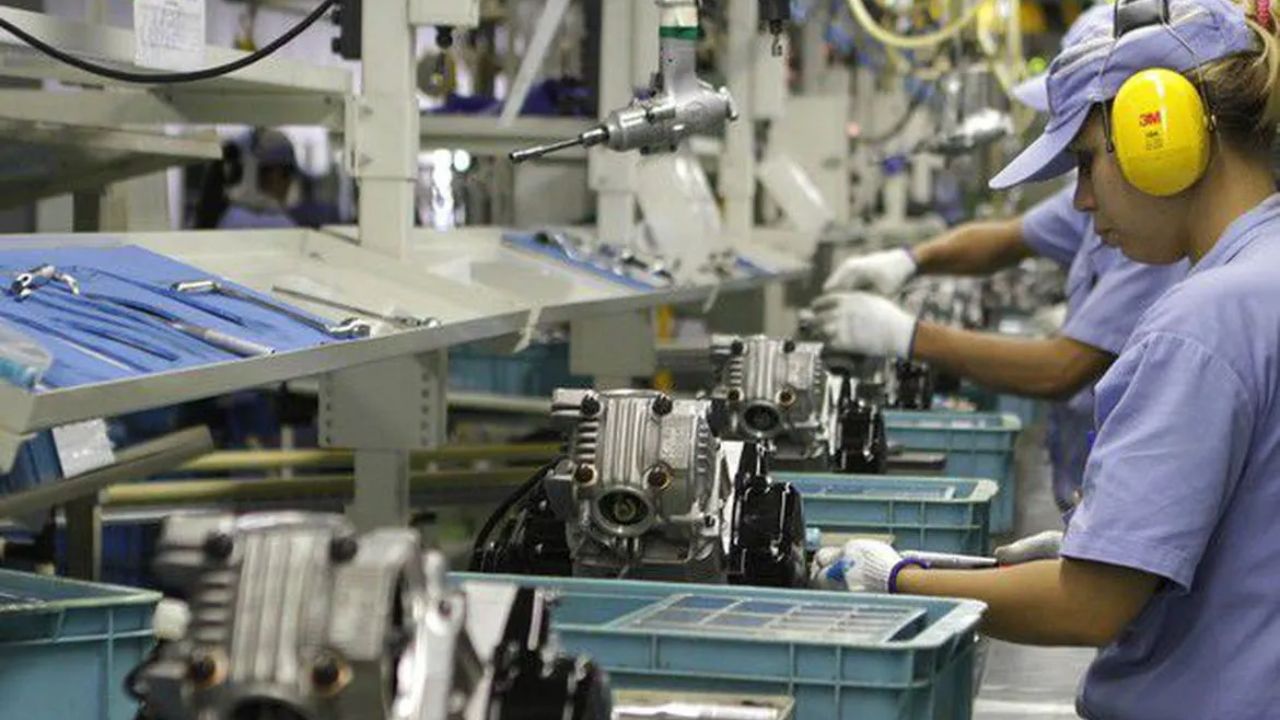


Is Manufacturing in Brazil No Longer Worth It? PMI Plummets and Companies Shut Down Production to Import from China — Brazil’s Cost Expels Industry
The Brazilian industrial sector has once again raised alarm signals following the release of the Purchasing Managers Index (PMI) for the manufacturing sector, which fell to 48.3 points in June 2025, according to a survey by S&P Global and published by Trading Economics. Below the line of 50 points — which separates growth from contraction — the indicator confirms a retraction trend that has been ongoing since the beginning of the year and signals a continued weakening of manufacturing activity.
The PMI reading, which considers production, new orders, employment, delivery times, and inventories, indicates that Brazilian industries are producing less, hiring less, and have lower confidence in the future. The data was accompanied by an increase in the number of companies reporting reductions in domestic order volumes and the level of industrial exports, reflecting the weakening of domestic and global demand.
Industry Contracts and Companies Start to Import: The Advance of the Chinese Model in Brazil
Alongside the decline of local production, Brazil is witnessing a silent structural shift, but profound: an increasing number of companies are abandoning their local factories and substituting production with imports, especially from China.
-
Toll Fees in São Paulo’s Countryside Drop by Up to 50% Starting Today

-
Petrobras Invests $2.3 Billion in Brazilian Coastal Shipyards, Creating Over 5,000 Jobs and Revitalizing the Naval Industry

-
$2.5 Billion Amazon Potash Mine Aims to Reduce Brazil’s 95% Import Dependency

-
Grendene’s Sales Decline in 2025, but Melissa Brand Surges 36% and Becomes Key Focus


This phenomenon has been recorded in various segments. In the consumer goods sector, multinationals such as P&G, Unilever, and Nestlé have closed manufacturing units or downsized operations in the country. In many cases, products that were previously manufactured here are now being imported from Asia, where labor costs, integrated logistics, and state incentives make production significantly cheaper.
According to data from the National Confederation of Industry (CNI), industrial costs in Brazil continue to be among the highest in the world when considering taxes, energy, infrastructure, bureaucracy, and labor costs. This has encouraged companies to seek external alternatives, even at the cost of unemployment and loss of local content.
In a recent analysis by economist José Augusto de Castro, of the Brazilian Foreign Trade Association (AEB), published by Valor Econômico, the outlook is concerning:
“What we are seeing is not just a temporary decline. It is a business model change, where producing locally is no longer viable. We are importing even basic products that were previously 100% national.”
Impacts on Employment and the Trade Balance
The immediate reflection of industrial retraction and substitution by imports is felt in the formal labor market. According to Caged, between April and June 2025, the Brazilian manufacturing industry closed more than 28 thousand jobs, especially in segments like metallurgy, textiles, and durable goods.
The trade balance, although still positive, is beginning to feel the impact of the changing profile of imports. While exports of commodities such as soybeans, ore, and oil remain high, there is a significant increase in imports of value-added industrial products, such as electronics, machinery, and even processed foods.
This inversion weakens the industrial autonomy of the country and compromises supply chains that previously generated jobs and taxes locally.
Lack of Industrial Policy Worsens the Scenario
Analysts point out that the lack of a consistent industrial policy has exacerbated deindustrialization. Without incentives for innovation, productivity, and the nationalization of strategic supply chains, Brazil loses ground to countries with aggressive industrial policies, such as China, India, and even the United States, which recently launched billion-dollar packages for reindustrialization.
The economics professor at UFRJ, Pedro Rossi, stated to BBC Brasil:
“While the world is experiencing a new cycle of green and digital industrialization, Brazil continues to bet on exporting commodities and neglecting its productive base.”
The country has also been failing to capitalize on significant global investments in clean technologies, semiconductors, and batteries. Various factories of this type are being built in Mexico, Vietnam, and Europe — and not in Brazil.
What to Expect for the Second Half of 2025?
With the PMI below 50, ongoing layoffs, and increasing dependence on Chinese products, the second half of 2025 will be decisive in measuring the Brazilian industrial economy’s ability to respond.
The hope for recovery hinges on three main factors:
- The reduction of internal interest rates, which could stimulate consumption and investment;
- The resumption of infrastructure and energy transition projects with local content;
- And the launch of a new structured industrial policy that values national production and modernizes the manufacturing base.
Without these actions, experts warn that the country runs the risk of entering a spiral of external dependence and loss of economic sovereignty, deepening the trend of premature deindustrialization that is already compromising sustainable medium and long-term growth.




Trabalhei com representantes comercial, na área textil desde 2000 vem havendo uma ďesidustrializacao do brasil, é custo brasil, .no México para ter direito a 30 dias de férias, tenho que trabalhar 10 anos na mea presa, ainda estão querendo implantar maternidade 15 para pais mais na hora de comprar levam ovos barato,não importa onde foi feito, a longo prazo vai faltar prego
tomei essa decisão desde ano 2000, fabricar aqui jamais…. custos justiça trabalhista e impostos sem chance…. importo tenho menor custo vendo mais cresço mais….. tudo mais e melhor….. 1/3 dos funcionários