






 Portuguese
  Spanish


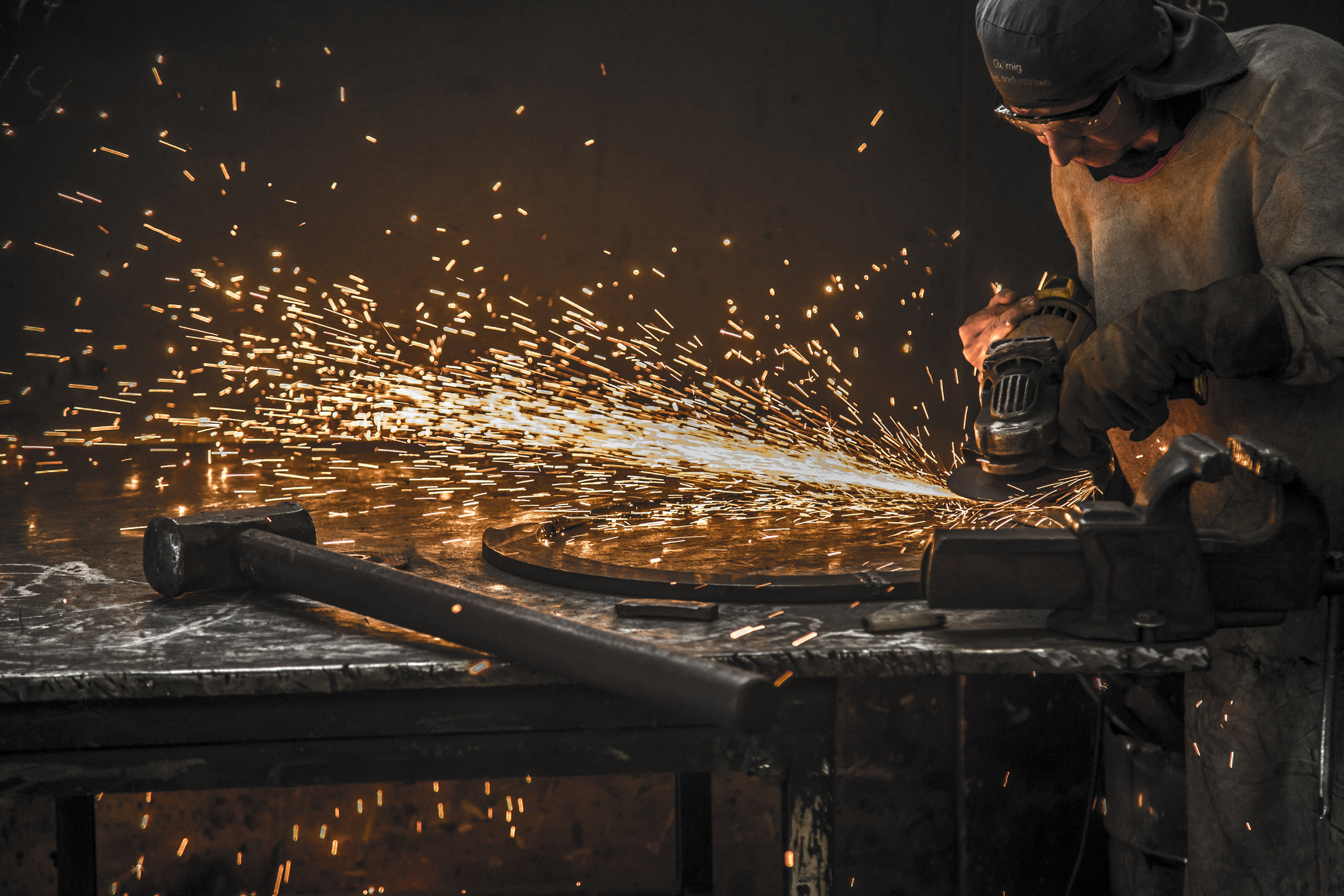

The Brazilian Industry Records the Highest Employment Level Since 2015, the Sector Registered Up to the 3rd Quarter of 2019, 10.7 Million Jobs
In 2019, the Brazilian manufacturing industry started to turn around and generated a total of 10.7 million jobs, the best result since 2015. And it doesn’t stop there, many civil construction projects approved in 2020 will result in an alarming growth of job openings in the sector.
Read Also
- Pre-Salt: Rio de Janeiro Starts 2020 on the Right Foot and Guarantees R$1.1 Billion in Cash
- 2020 Will Have 11 Extended Holidays and Economic Activity Sectors Like Tourism Celebrate
- TheBahia Airport is Building a 4.2 MW Solar Panel and Will Increase Its Efficiency with Renewable Energy
The segments that contributed the most were food, textiles, and maintenance, repair, and installation of machinery and equipment, which together opened 189,000 new formal job opportunities by the third quarter of 2019.
-
Two-Bedroom Home Built in a 40-Foot Shipping Container Delivered and Ready for Same-Day Living in São Paulo Countryside

-
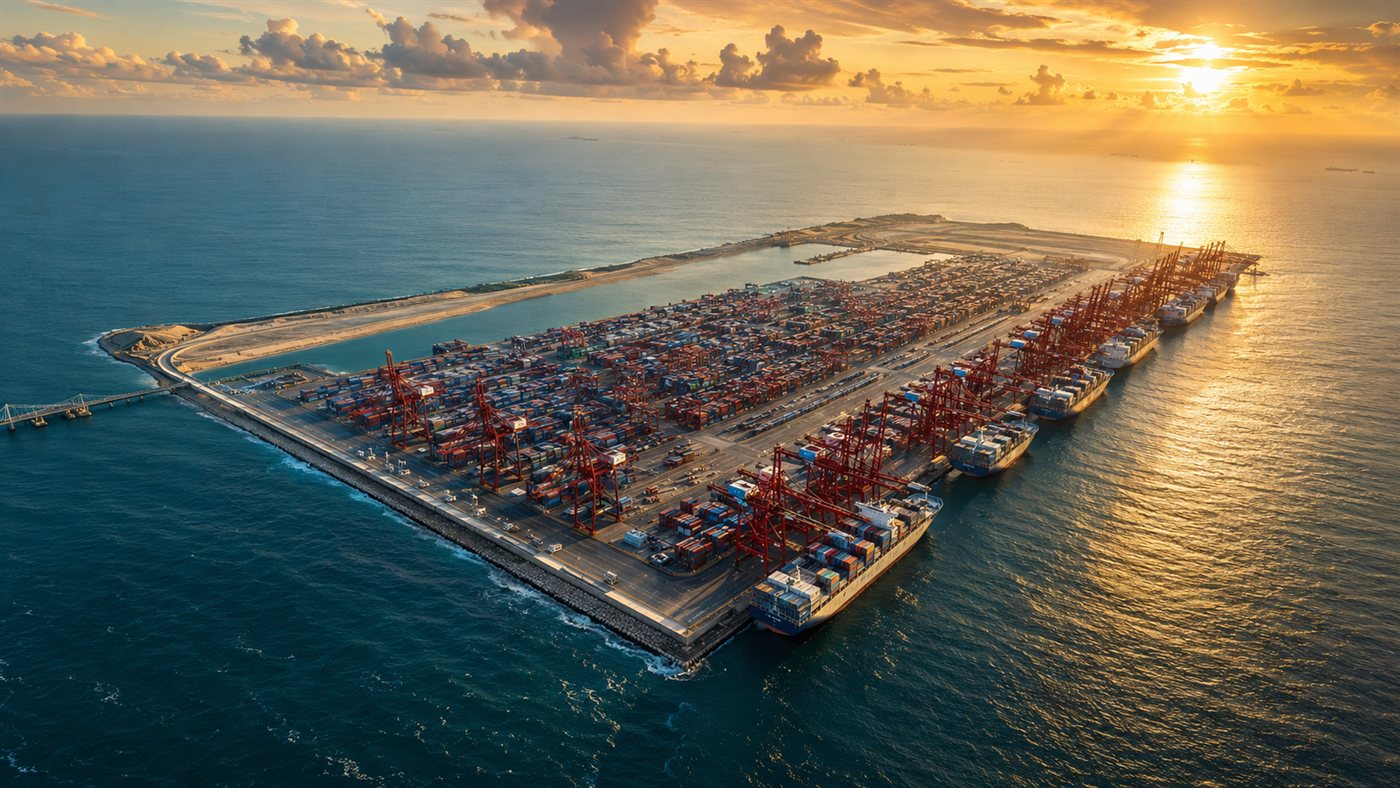
China Constructs Artificial Island 32 km Offshore for Yangshan Port, Connected to Shanghai by 32 km Bridge, Unloading 3,000 Containers in 20 Hours
-
China’s $70 Billion River Diversion Project, the World’s Largest, Moves 44.8 Billion Cubic Meters Annually, Crosses Under the Yellow River, and Displaced 330,000 People
-
Indian Driver Spends 14 Years Digging 10-Meter Tunnel Through Mountain to Connect Isolated Village to the World




After the Brazilian economic recession due to cuts in other segments, such as coke production, oil derivatives, biofuels, and non-metallic mineral products, the growth of 1.3% in the number of jobs is positive, says Bruno Ottoni, a researcher at the IDados consultancy.
According to Daniel Duque, a researcher in Applied Economics at FGV/Ibre, the good news is related to the still slow return of investments.
After at least five years of stagnation, the machinery and equipment segment saw considerable improvement in investments, “Brazil was scrapped between 2013 and 2018, and in 2019 began a timid recovery,” says the CEO of the Brazilian Machinery and Equipment Industry Association (Abimaq), José Velloso.
For the executive, employment is also reacting, and factories are expected to account for 15,000 to 20,000 new jobs this year.
“Considering everything that happened in 2019, the result was positive,” says the CEO of the Brazilian Footwear Industry Association (Abicalçados), Haroldo Ferreira. The increase in the workforce in the segment is expected to be around 2% – in 2018, there were 271,000 employees – in line with the expected increase in production. For this year, he expects new growth of up to 2.5% in both indicators.







