Portuguese
  Spanish


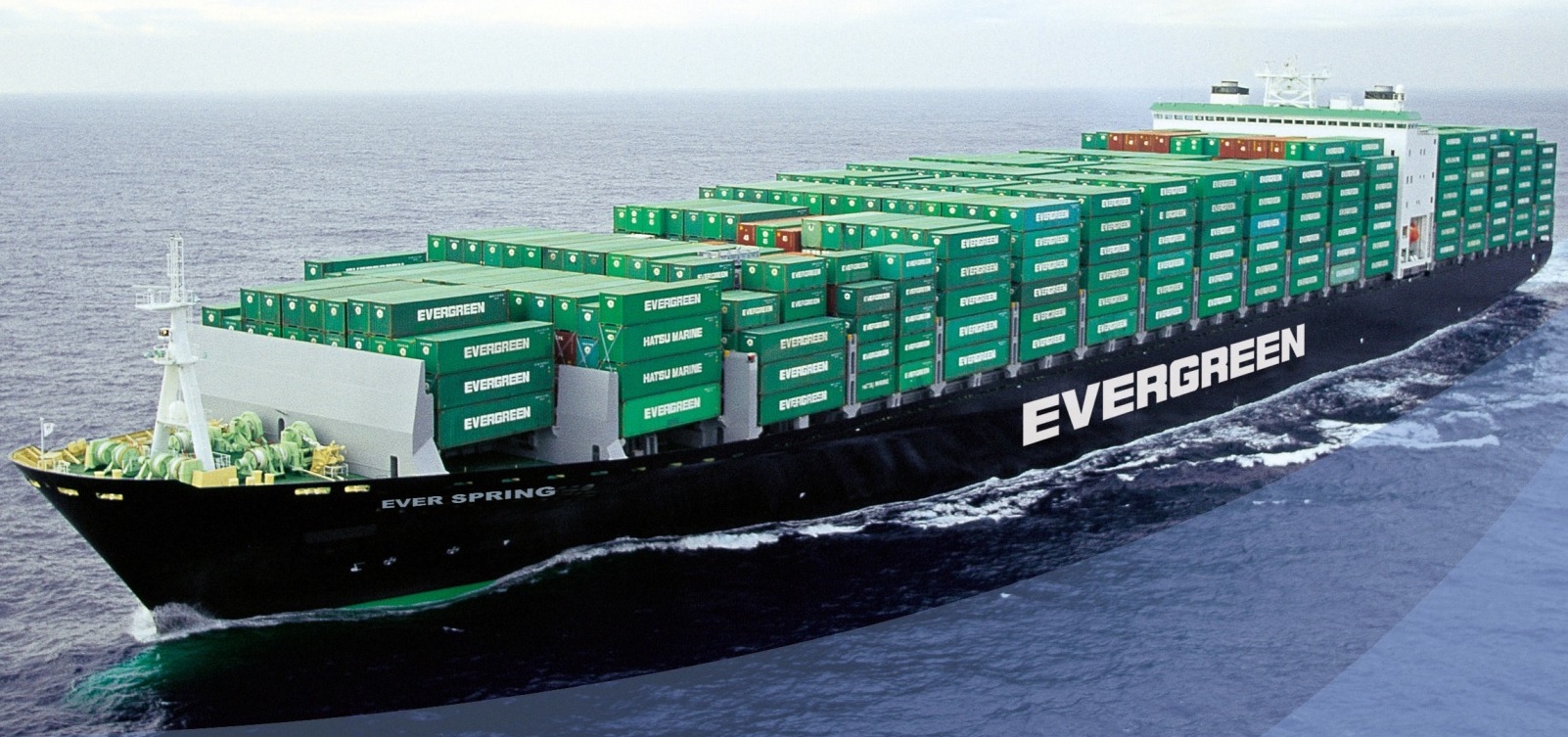

With the Great Growth and Development of International Ports, the Issues Related to What Are the Navigation Limits of Mega Container Ships and the Main Problems That Can Happen With Unregulated Expansion.
This Friday, (07/20), the international port scenario increasingly witnesses an uncontrolled expansion of the size of container ships, aimed at increasing cargo handling capacity. However, the navigation of mega ships has a limit in international ports due to the necessary infrastructure for these operations to take place safely. Thus, the port sector is on alert regarding the growth of these vessels in the coming years.
Navigation of Mega Container Ships Is Becoming More Common in International Ports and Raises Questions About the Infrastructure of the Complexes
The size of mega container ships has been growing increasingly in recent years due to the need for an expansion in cargo handling capacity, with the recent vessel to break the record being the Ever Ace, which left the port of Yantian, China, on August 14, 2021. Since then, no other ship has managed to surpass its capacity, which is equivalent to 21,710 6-meter (20-foot) containers, but companies are increasingly looking to expand these numbers.
This is because, although the Ever Ace currently leads international navigation in this segment, there are dozens of container ships, and more are being built, with the expectation of expanding this capacity.
-
They exchanged the idea of a large house for a 35 m² warehouse, spent US$ 12,000 on the structure, and created a tiny house in Colorado with space to live and work.

-
The Port of Itaqui closes the best first semester in history with over 17 million tons and takes off as the locomotive of the Northern Arc.

-
While modern cities rely on pumps and electricity, in Iran, ancient tunnels carried water through the desert using only slope and gravity.
-
Instead of sending families far from the city, a project in Chile intentionally created incomplete houses on expensive urban land and left technical space for each to grow.



For comparison, just two of these mega ships stacked vertically would be almost as tall as the tallest building in the world, the Burj Khalifa, in Dubai, United Arab Emirates. The largest mega ships of this type have an average length of 400 meters, or slightly less, and about 60 meters in width.
However, the limit of expansion for these vessels may be nearing its end, as the port sector may not see container ships larger than these. This is because the navigation of these vessels in international ports requires high-quality infrastructure, and consequently, the expansion of capacity also requires expansion in structural investments.
Expansion in the Capacity of Container Ships May Be Reaching Its Limit Due to the Navigation Infrastructure of International Ports
Currently, there are over 5,500 mega container ships spread across ports worldwide, with the capacity to carry 25 million TEUs (Twenty-foot Equivalent Units).
According to S&P Global Commodity Insights, new orders for these vessels will include a request for a capacity expansion of up to 25% in the coming years. Over the last decade, the cargo navigation capacity of these ships increased from less than 3,000 to about 4,500 TEUs, and with market growth, these numbers tend to rise.
However, for this capacity to increase, international ports will also need to invest in expanding infrastructure to accommodate the navigation of these ships. As such, it becomes increasingly unfeasible to invest so much capital just to expand cargo transport capacity.
Therefore, the new construction of these vessels may make the average length of 400 meters and about 60 meters in width the maximum limit, to avoid the total adequacy of ports.
Thus, George Griffiths, editor of global container markets at the information and market analysis provider S&P Global Commodity Insights, confirms the possibility that a maximum limit of port infrastructure for the navigation of mega ships is approaching and poses the following question to support his argument: “Why would you invest in larger ships if, for that, you would also need to invest immense amounts in ports?”.