Portuguese
  Spanish


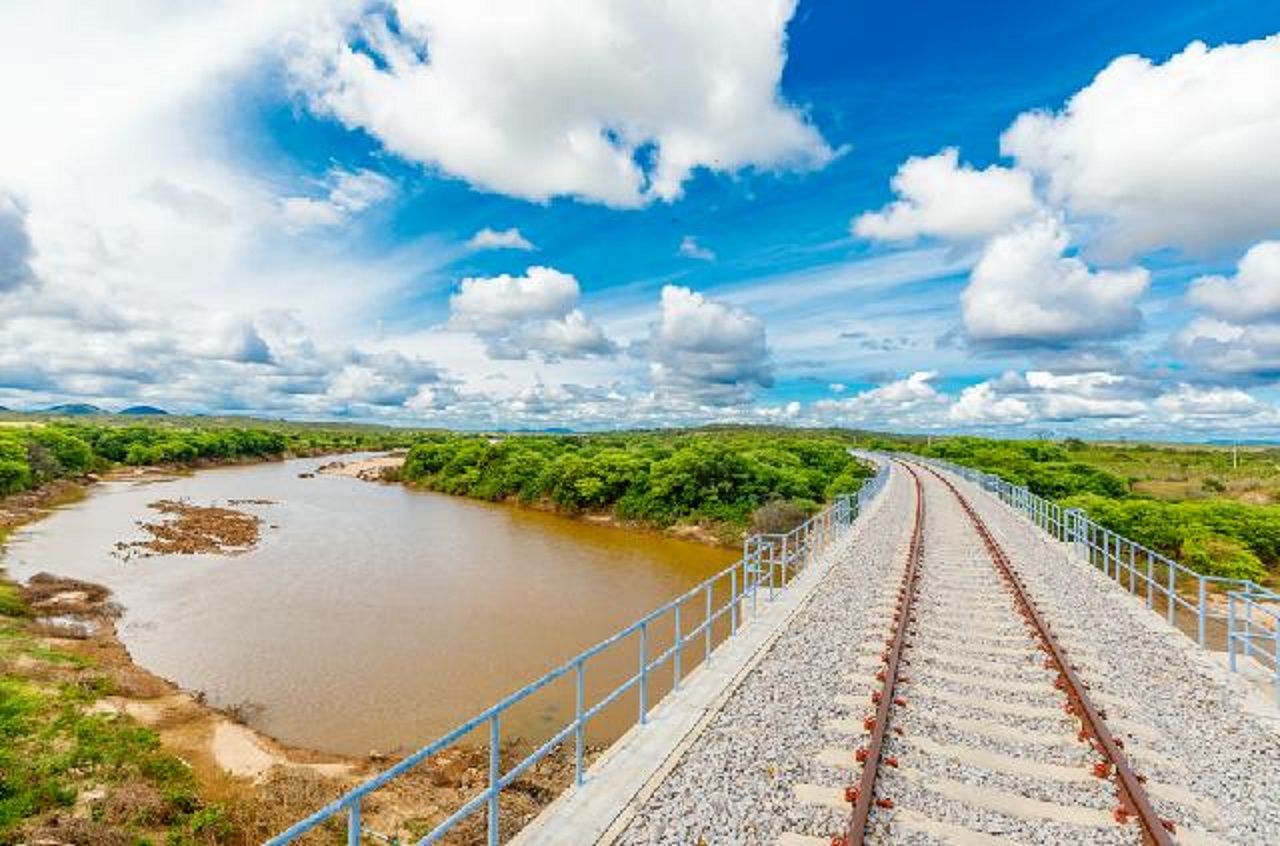

The TCR-10 Consortium and the First Phase of the West-East Railway
The TCR-10 consortium, formed by a Brazilian company and a Chinese company, will start construction on the first phase of the West-East Railway, known as Fiol. The Federal Government is also seeking other partnerships in the state.
With an investment of R$ 1.1 billion and an expected completion within 36 months, the project aims to connect the Bahian municipalities of Caetité and Ilhéus, where the Porto Sul is located.
Impact on Employment and Regional Development
During construction, it is estimated that around 1,200 jobs will be created, with gradual hiring as the works progress in the municipalities that make up Lot 1F.
-
Railway returns to prominence in Brazil after STF approval: a R$ 25.2 billion project promises to save R$ 9 billion in freight, transport 50 million tons per year, and transform Sinop into a logistics powerhouse for agribusiness.

-
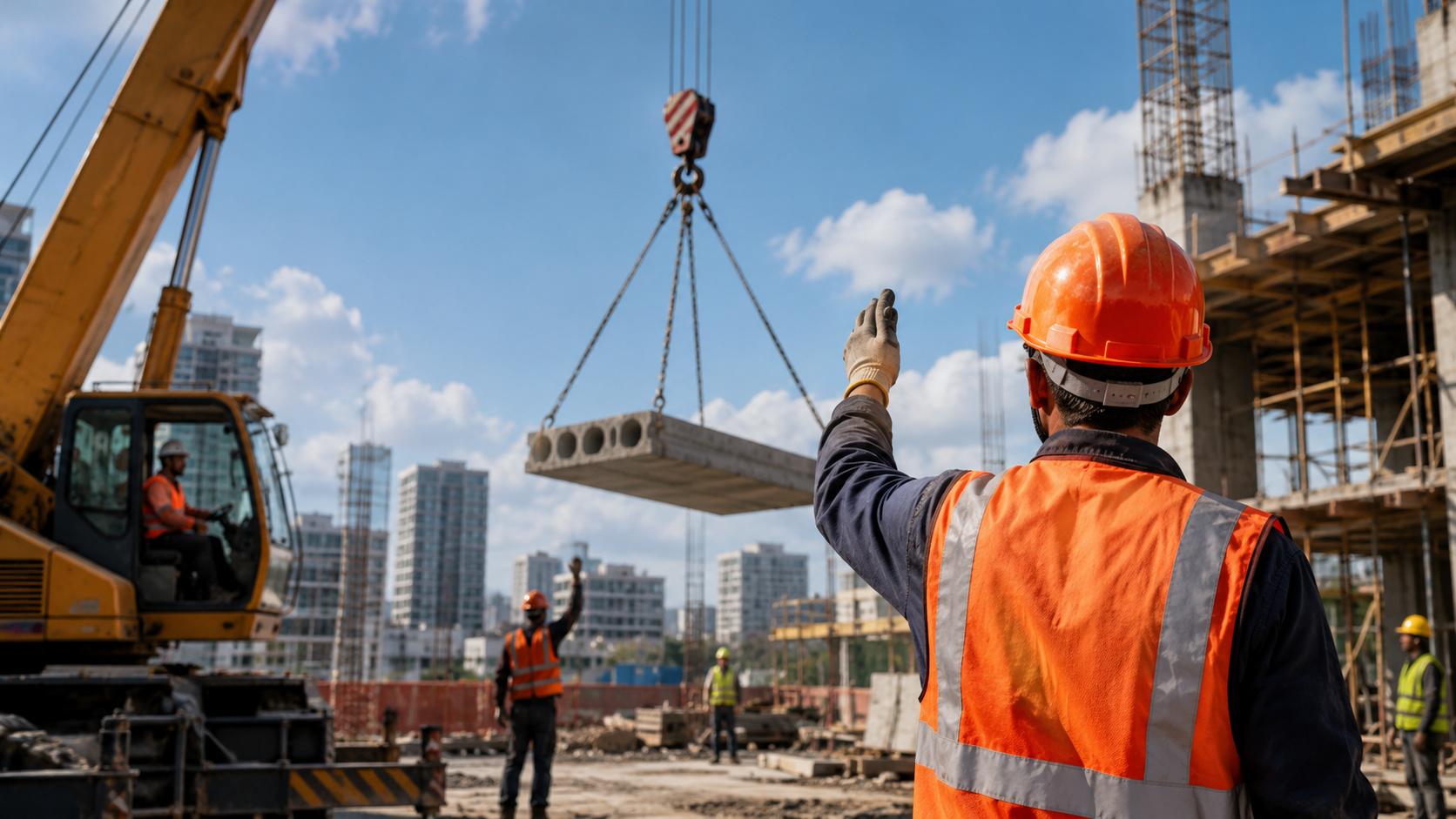
Why can the crane operator only obey the correct signalman on the construction site: among dozens of workers, a hand raised by the wrong person can confuse the maneuver and turn a load of tons into an immediate risk.

-
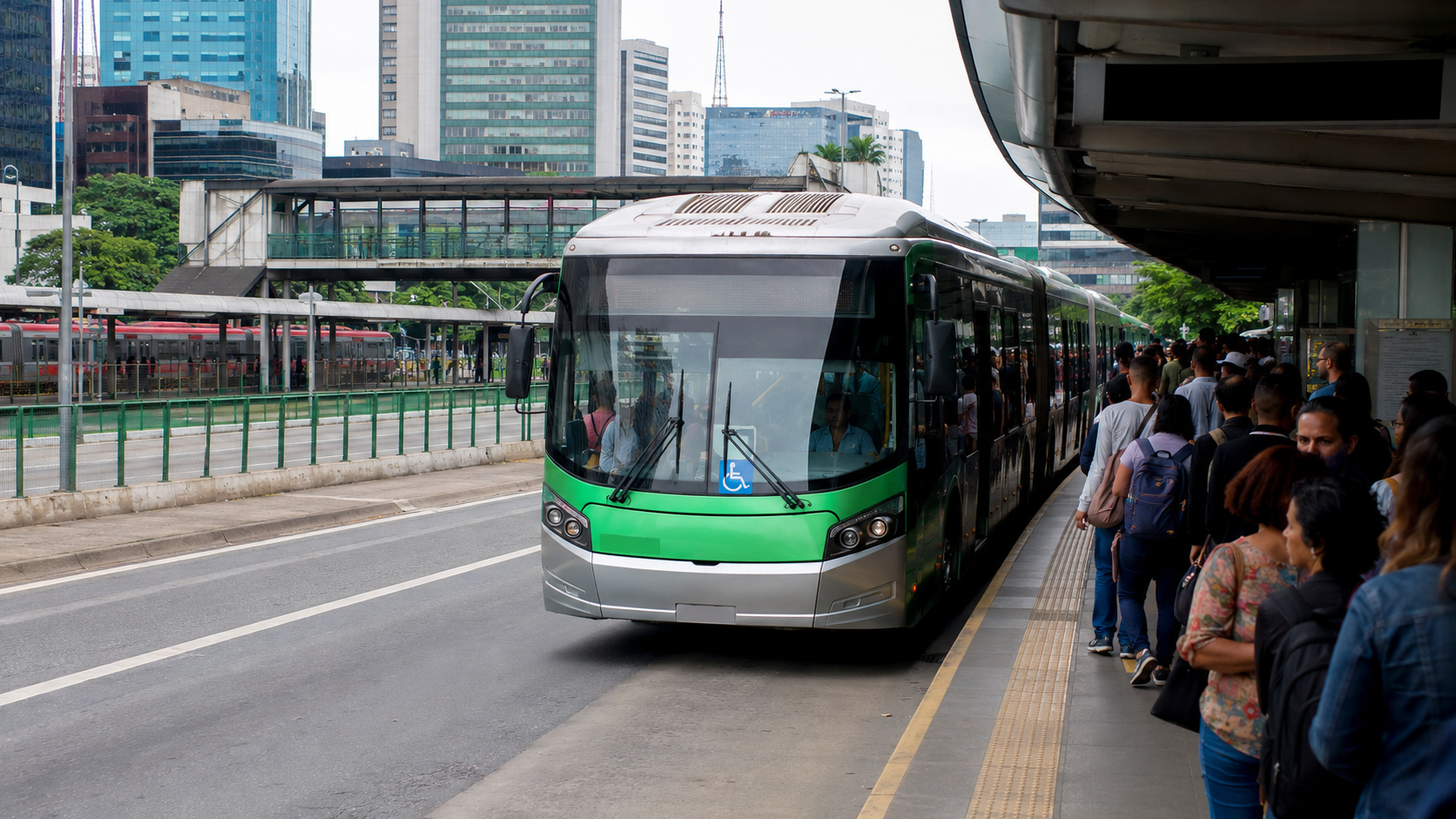
What changes with the new public transportation rules that can reduce pressure on fares and pave the way for zero fare in Brazil?
-
Retired trains leave European tracks and become tons of steel, aluminum, and copper in dismantling yards where recycling exceeds 90%, but batteries, composites, and electronics create a new frontier of railway waste.


The project is considered transformative and will contribute to economic growth and job creation in the region.
Sustainability and Balance in Development
The state secretary for the Environment, Eduardo Sodré, emphasized the importance of sustainability in the project, highlighting the partnership between the State Government and Bamin Ferrovia.
The goal is to ensure a balance between economic growth, investment, and job creation, without compromising the environment.
Capacity of Fiol I and Benefits for Various Sectors
With a total length of 537 kilometers and passing through 20 municipalities, Fiol I will have the capacity to handle 60 million tons of cargo per year.
Approximately 40% of this capacity will be used by Bamin for the transportation of iron ore, while the remainder will be made available for the output of other mining companies, agribusiness, and other sectors.
Porto Sul and Connection with the West-East Railway
Bamin is also responsible for the construction of Porto Sul in Ilhéus, a deep-water terminal that will receive ships with a capacity of up to 250,000 tons and handle up to 42 million tons annually. The completion of the railway and the port will represent a new vector of economic development for various productive sectors.
Fiol I is expected to be completed and in operation by 2027, bringing significant benefits to Bahia and Brazil, with positive impacts on the economy, employment, and environmental sustainability.