





 Portuguese
  English
  Spanish
  4 min of reading
  0 comments


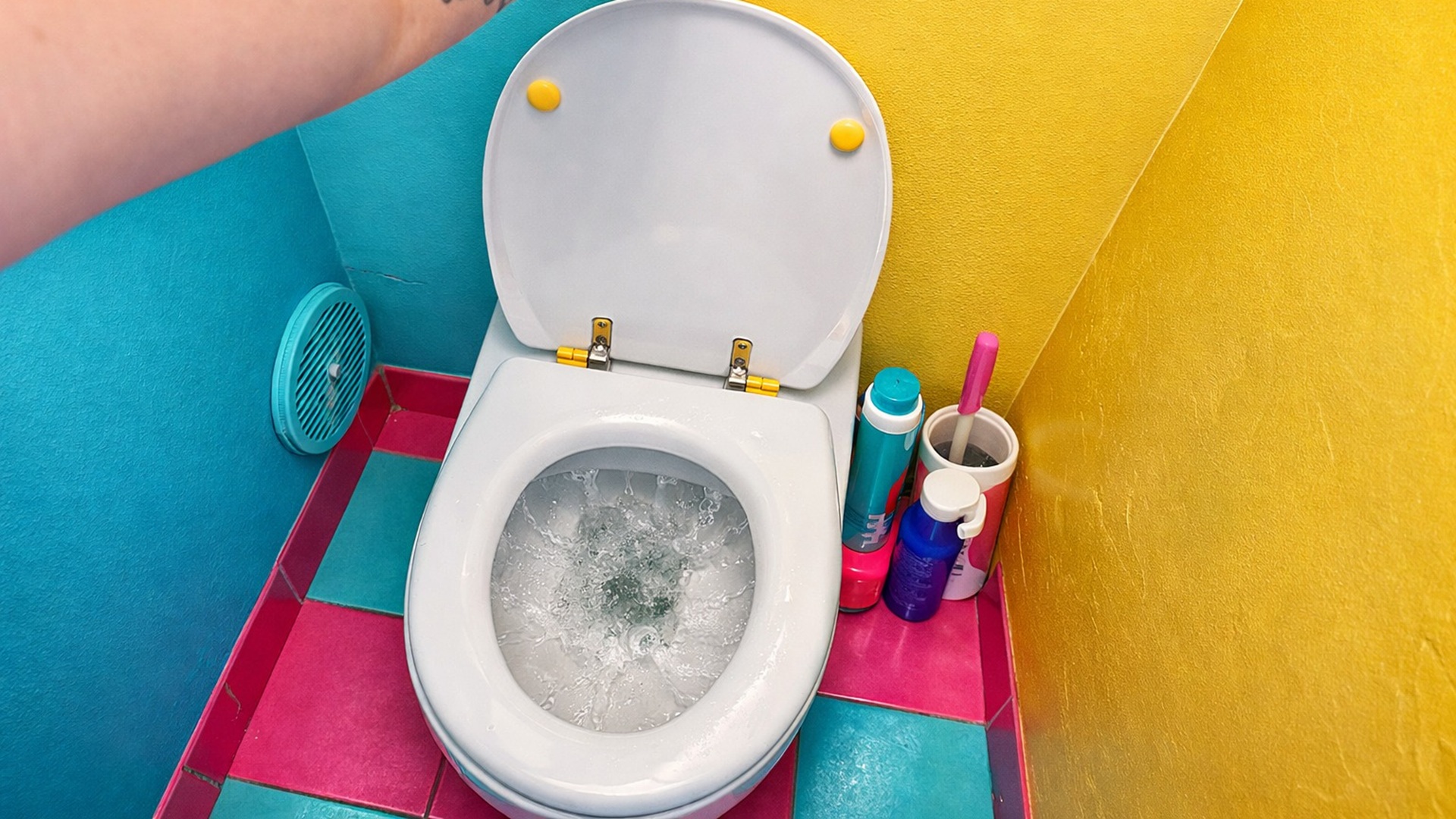
System Developed In France Reuses Water From Showers, Sinks, And Washing Machines To Supply Toilets And Domestic Irrigation, Allowing For Up To A 40% Reduction In Domestic Water Consumption In Homes Without The Need For Significant Changes In Daily Routines
The increase in temperatures often raises residential water usage, especially in activities like garden irrigation, frequent bathing, and washing homegrown food. This scenario directly impacts domestic water consumption and increases the waste of potable water.
In light of this context, the SPAREAU Family emerges, a system created by a French inventor that proposes recovering household wastewater for reuse in non-potable applications within homes. The solution integrates a strategy aimed at reducing domestic water consumption.
The equipment is available starting at €2,490, excluding installation costs, and allows for the reuse of water from showers, sinks, and washing machines to supply toilets or plant irrigation systems.
-
R$ 5,000 scattered on the street, a lost wallet, and an honest decision: the case in Goiás that moved even those who only read the story

-
Dissatisfied with seeing people sleeping on the street, a man named Ryan Donais started building small mobile homes so that homeless people can escape the cold, each equipped with a bed, running water, electricity, and heating.

-
ET in Paraná? After intriguing videos, mysterious sounds in the forest, and theories that dominated social media, the Brazilian Air Force reveals what its radars recorded and increases the mystery about the alleged UFO seen in Campo Largo.
-
In North Korea, residents take bottles, plastic, fabric, paper, and metal to recycling shops and exchange waste for products as sanctions, closed borders, and a more than 80% drop in trade with China pressure the country to replace imports.



According to the manufacturer, the minimum estimated savings reach 40% of potable water consumption in a standard household, aligning with the recommendations of ADEME, the French Agency for Ecological Transition, which encourages reducing water consumption in homes.
French System Bets On Reuse To Reduce Domestic Water Consumption In Existing Homes
The SPAREAU Family was designed and manufactured in the Occitanie region of France, based on a straightforward principle: to prevent the wastage of potable water within homes by reusing so-called gray water.
This water, coming from the shower, sink, or washing machine, is collected before entering the sewage system. After specific treatment, it is reused in activities that do not require potable quality.
The system’s differentiator is the fact that it is an industrialized product ready for installation, developed for integration into already-built homes, eliminating the need for experimental projects or complex adaptations.
The proposal aims to reduce technical barriers often found between theoretical environmental solutions and practical application in real domestic environments, facilitating adoption by families interested in reducing domestic water consumption.
Filtration and Storage Stages Enable Safe Reuse of Gray Water
The operation of the SPAREAU Family occurs progressively. Gray water is diverted before reaching the sewage system and initially undergoes mechanical filtration designed to remove fibers and solid particles.
Following this, there is a sedimentation stage that enhances the treatment. After this process, the water is stored in a specific tank before being redistributed for non-potable uses.
The system does not convert water into potable quality. The goal is to adapt it for applications such as toilet flushing and irrigation, where there is no maximum sanitary quality requirement.
The equipment operates autonomously and has an estimated electricity consumption of €2 to €3 per month in a home with four to six residents, a cost considered within the regular operation of the system.
Data Indicate Annual Savings Associated With Reducing Domestic Water Consumption
In a household with four people and an estimated average annual consumption of 120 m³ of water, the manufacturer presents savings projections based on the reuse of gray water.
With an announced reduction of 40%, the saved volume can reach about 48 m³ per year. Considering the average price of water between €4.20 and €4.70 per cubic meter, the annual gross savings range between €201 and €225.
The annual electricity cost of the system remains estimated between €24 and €36. Thus, the projected annual net gain is between €165 and €200.
According to the presented calculations, the estimated payback period for the investment varies between 12 and 15 years, which may change according to local water prices and municipal sanitation costs.
Growing Concern Over Scarcity Reinforces Debate On Domestic Water Consumption
The reuse of gray water emerges in a scenario where dry periods are becoming more frequent, and consumption restrictions during the summer are occurring even in historically less affected regions.
Historically, potable water has been treated as an abundant resource. However, climate change and increasing domestic demand are driving solutions aimed at reducing domestic water consumption.
The logic presented by SPAREAU follows the principle of reusing water already used in domestic activities for functions that do not require the same level of sanitary treatment.
The central question involves the use of potable water for tasks such as toilet flushing, a common practice in homes that represents a significant portion of total consumption.
Professional Installation And Periodic Maintenance Ensure Continuous Operation
The SPAREAU Family is available in standard and XL versions, designed for different residential needs, including larger homes or small buildings with multiple housing units.
Installation requires adaptation of the existing plumbing network and is typically carried out by specialized professionals. Despite this, the system remains compatible with already completed constructions.
Maintenance mainly consists of periodic cleaning of filters and conducting an annual inspection of the equipment.
The procedure is described as similar to the upkeep of other domestic plumbing systems.
Factors influencing profitability include the regional price of water, the volume of recoverable gray water, and the proportion of consumption allocated for sanitary uses.
Domestic Reuse Is Presented As Optimization Of Existing Resources
The SPAREAU Family does not propose a radical change to residential routines but rather the optimization of the use of a resource already present in daily domestic life.
The water used for personal hygiene or cleaning remains suitable for other applications after basic treatment, allowing it to be reused within the same property.
On an individual scale, the impact may seem limited. However, when applied in neighborhoods or entire cities, reuse contributes to a collective reduction in demand for potable water.
The system is presented as a tool aimed at domestic transition, seeking to reduce domestic water consumption without altering essential daily habits by reusing existing water flows within households.







Be the first to react!