






 Portuguese
  Spanish
 2 min of reading


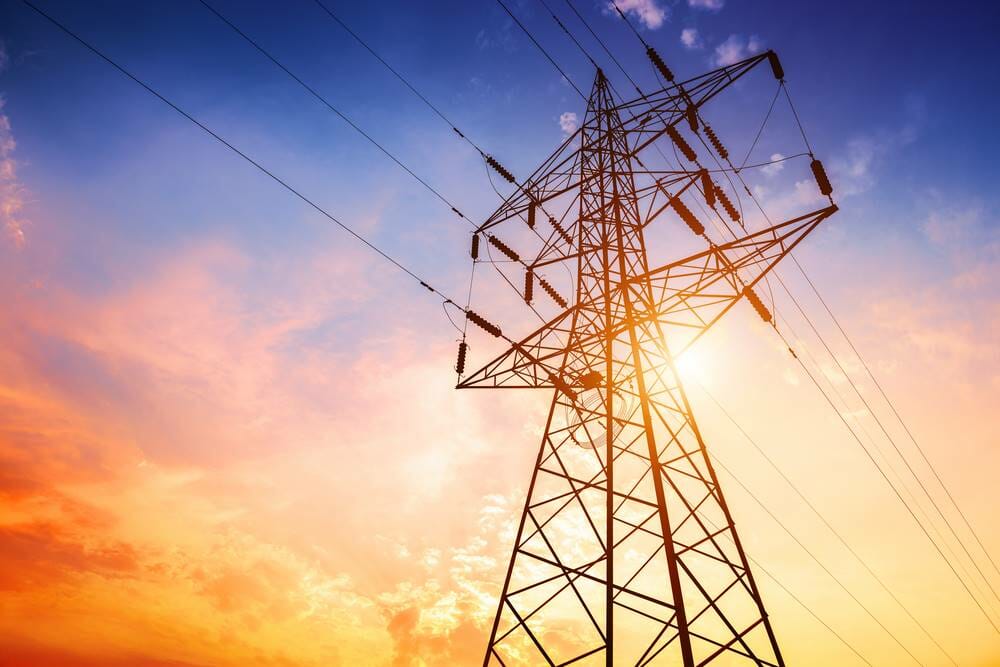
Raising Sustainability: R$1.4 Billion Allocated to an Innovative Solar Plant in Arinos, Promising to Boost Steel Production with Clean Energy.
The world is constantly seeking more sustainable energy sources, and Brazil is no exception. In a recent announcement, Gerdau, an icon in the country’s steel production, and Newave Energia unveiled their ambitious plans regarding this growing demand. Both companies are heavily investing in renewable energy production, aiming for a greener and more sustainable future.
Clean Energy: An Achievable Goal
Located in the heart of Minas Gerais, in Arinos, the future Solar Park represents a total investment of approximately R$1.4 billion. With a remarkable installed generation capacity of 420 MWp, the project also incorporates a power substation. The initiative promises to supply about 7% of Gerdau’s annual energy needs, based on 2022 data. The environmental impact? An impressive expected reduction of up to 22,000 tCO2 annually.
Sustainable Vision: Steel and Sun Together
The collaboration between Gerdau and Newave Energia highlights the former’s commitment to prioritizing sustainability. Juliano Prado, Gerdau’s global vice president and leader of Gerdau Next, emphasized the company’s desire to achieve ambitious carbon emission goals, aiming for a mark of 0.83 t of CO₂e per ton of steel by 2031. And with the Arinos Solar Park operating at full capacity, 30% of the renewable energy generated will be channeled to Gerdau’s steel production in Brazil.
-
Solar and wind energy surpass natural gas for the first time in the world and accelerate energy revolution

-
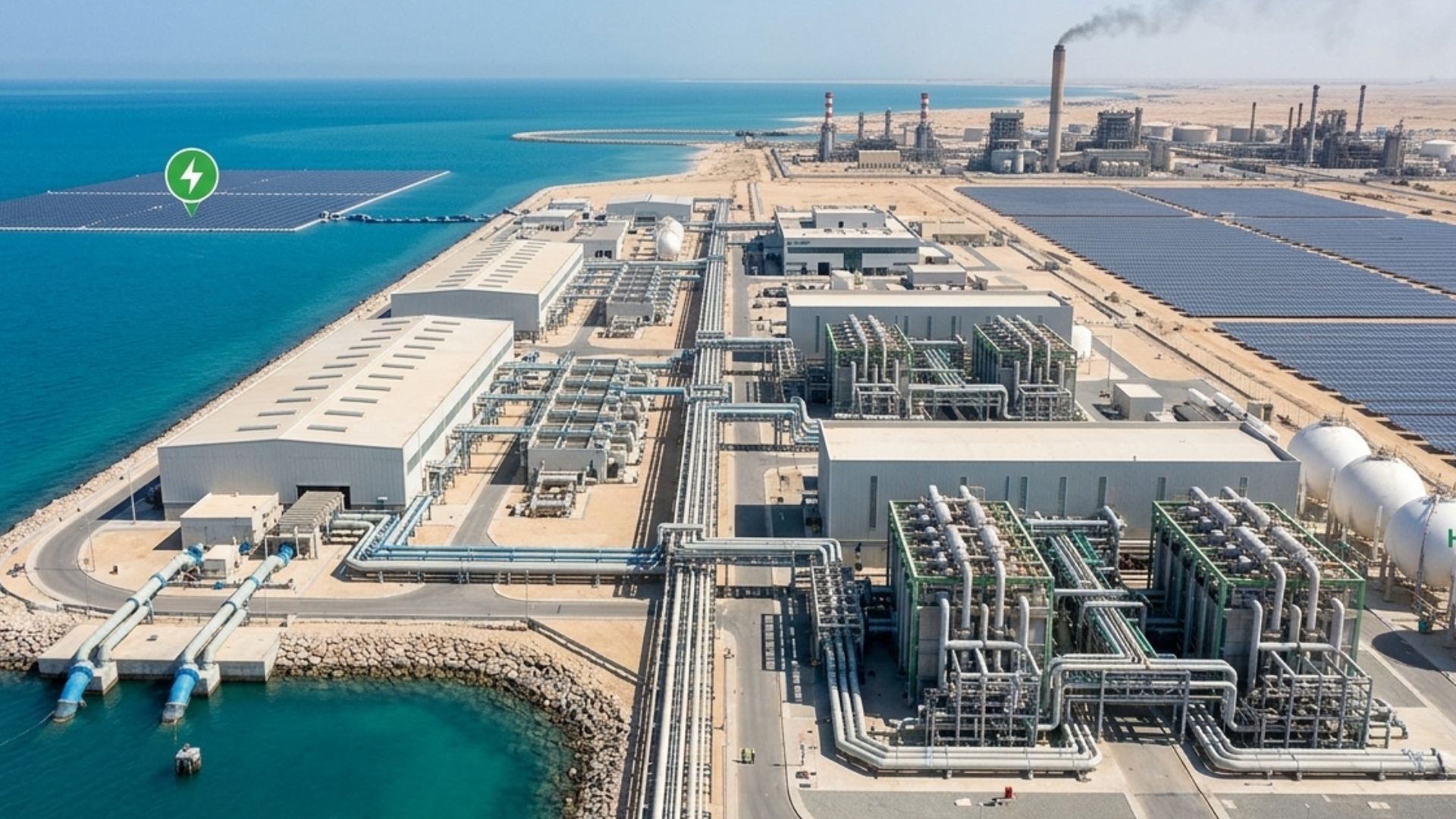
The world has bet on green hydrogen as the fuel of the future, but now faces the side effect: producing 1 kilogram requires about 9 liters of ultrapure water, and the largest projects on the planet are precisely in the driest regions of the Earth, where water is already scarce for people.

-
Africa has about 500,000 cell towers and most still burn diesel to operate, while companies rush to cover antennas with solar energy and avoid signal blackouts.

-
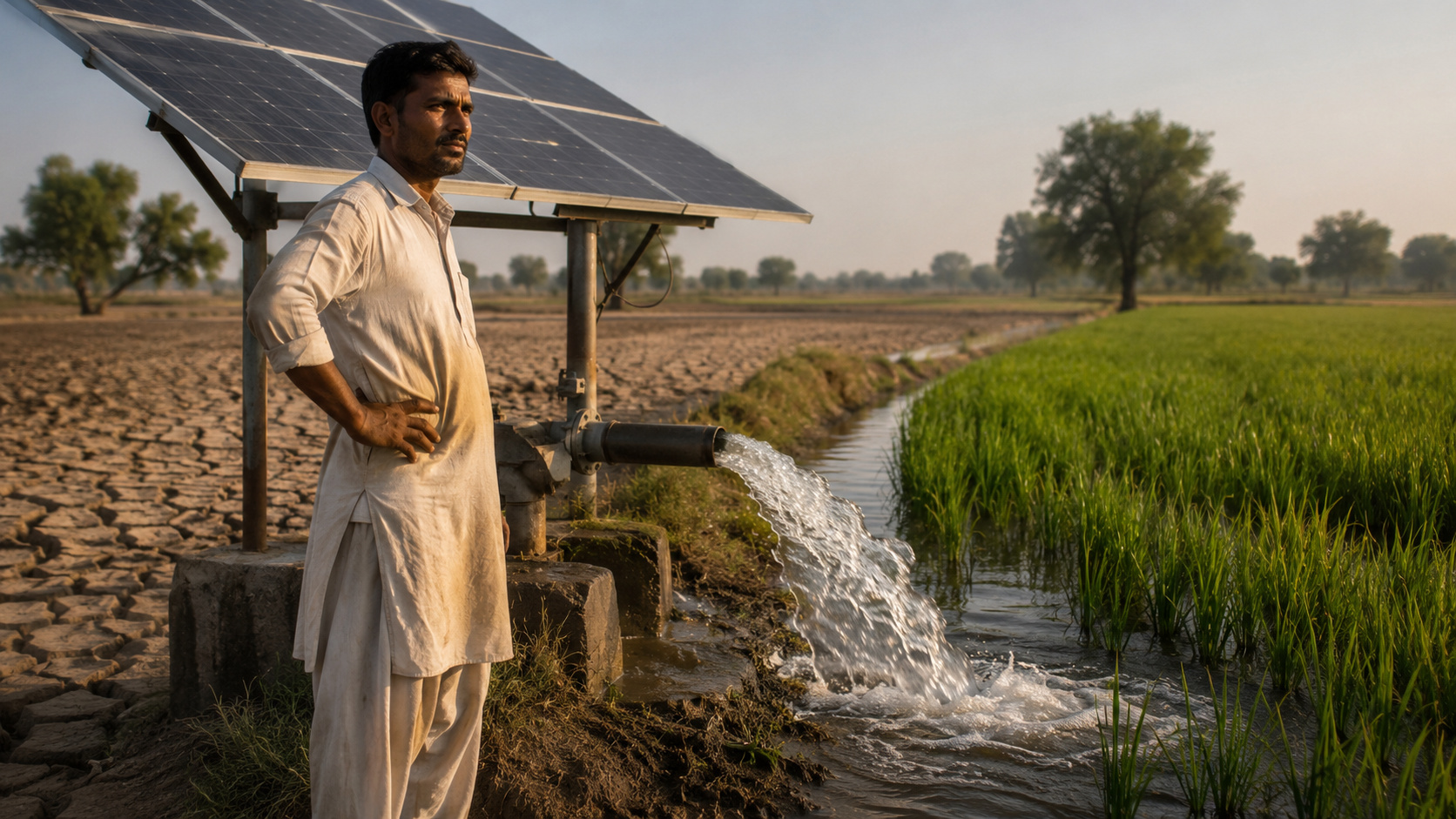
Farmers swapped diesel for solar panels in Pakistan, powered irrigation pumps almost cost-free, expanded rice fields, and now groundwater has become a red alert in the countryside.


Gerdau: A Pioneer in Sustainability and Innovation
With a legacy of 122 years, Gerdau is not only Brazil’s leading steel producer but also a leader in sustainable practices. The company has a solid reputation in the market, operating in 9 countries and employing over 36,000 individuals. Additionally, Gerdau is recognized as the largest recycler in Latin America, converting 11 million tons of scrap into steel products every year.
The company not only has a sustainable approach to its production but also in its forestry operations. It is the largest producer of charcoal in the world, with over 250,000 hectares of forest base in Minas Gerais. With clear goals for 2031, Gerdau seeks to further reduce its carbon emissions, solidifying its commitment to the planet.
Investors looking to be part of this green journey can find Gerdau’s shares listed on the stock exchanges of São Paulo, New York, and Madrid.
Source: Artur Gonçalves Ribeiro.







Be the first to react!