






 Portuguese
  Spanish


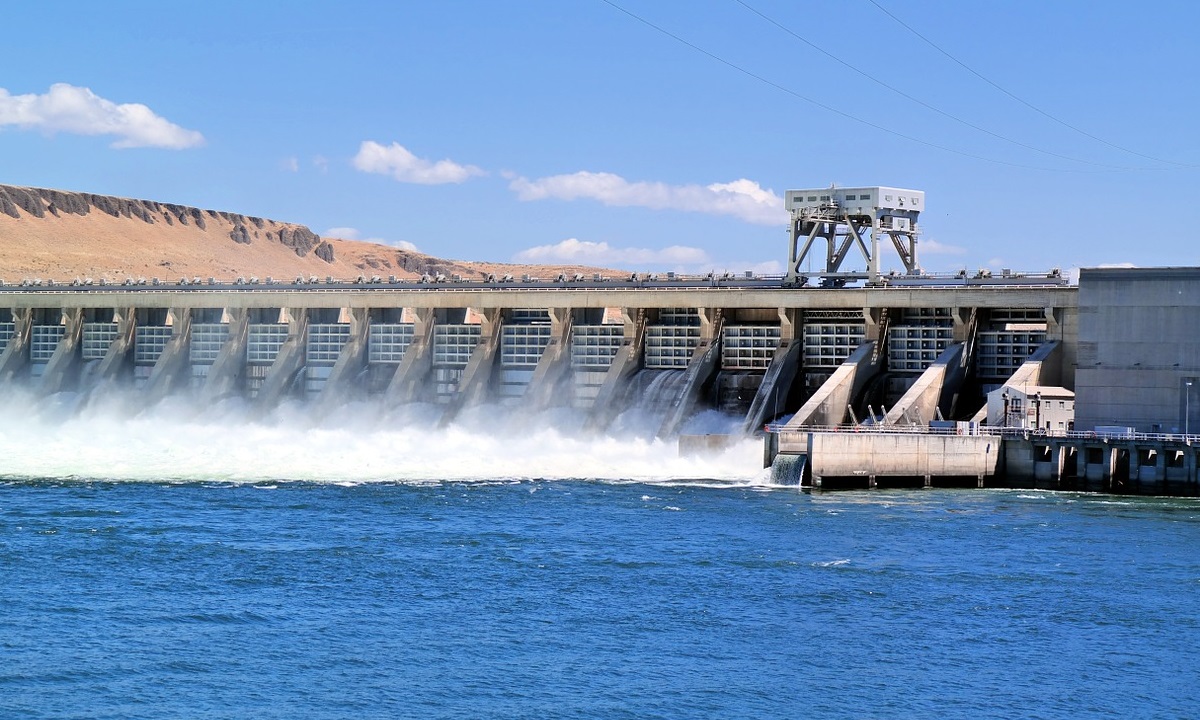

In Addition to Expanding Energy Generation, Investment in Modernizing Hydropower Plants Would Also Contribute, for Example, to Reducing Negative Socio-Environmental Impacts
The Energy Research Company (EPE), the World Economic Forum (WEF), and the Inter-American Development Bank (IDB) have jointly developed a work focused on investment opportunities in sustainable energy in Brazil. This week, the institutions released a document titled “Mobilizing Investments for Clean Energy in Brazil,” summarizing the main discussions held by the agents participating in the initiative.
In this context, one of the key proposals in the document highlights the potential advantages brought about by modernizing Brazil’s hydropower sector, which could increase the country’s energy production capacity by nearly 5 GW.
The study shows that, with several large Brazilian hydropower plants in operation for over 30 years, modernizing the existing infrastructure would bring a series of advantages, such as: increasing energy production (thus reducing the need for new energy sources); enhancing efficiency and availability; decreasing unplanned outages; improving safety and reserve capacity; as well as reducing negative socio-environmental impacts.
-
Green Hydrogen Projects in Northeastern Brazil Stalled for 18 Months Awaiting Government Decree, Delaying Billions in Investments

-
Brazil Concludes Largest Energy Auction in History, Secures 18.97 GW and Mobilizes $12.8 Billion to Ensure Supply Until 2031
-
How Norway Produces More Energy Than It Consumes with Nearly 1,800 Hydropower Plants and Over 1,100 Reservoirs

-
Axia Energia Invests $280 Million in Q1, Increases Investments by 36%, and Turns Loss into $740 Million Profit


Furthermore, according to the document, it is estimated that modernizing hydropower plants would result in a gain of 4.7 GW of capacity for Brazil, as well as a reduction of 57 million tons of carbon dioxide released, thanks to modernization projects that displace natural gas thermal plants.
A Suitable Environment is Necessary for Unlocking the Modernization Potential of Hydropower Plants
The authors of the study argue that in order for this potential to be put into practice, it is essential for policies and market structures to create a conducive environment. One of the proposed incentives for promoting investments in modernization and repowering of hydropower in Brazil involves including hydropower plants in capacity reserve auctions.
Additionally, another suggestion is the possibility of extending the concession period by up to 20 years to compensate for the investment in modernization. In this regard, the study pointed out that a series of discussions should be promoted by EPE so that the proposed modifications are reflected and possibly implemented in future regulatory revisions.
The work also addresses the need to assess the physical risk of climate change (floods, droughts, and extreme rainfall) for all selected hydropower generation plants, in order to communicate climate resilience initiatives nationwide and at the asset level.
The document establishes that a comprehensive analysis of the vulnerability of Brazil’s hydropower infrastructure is suggested to inform national energy planning, guide federal climate resilience initiatives and legislation, and enhance resilience-building efforts at the asset level.
The Study Also Discusses Investments in Other Renewable Energy Sources
The study does not only address hydropower but also analyzes ways to stimulate new investments in other renewable energy sources. Regarding distributed solar generation systems, for example, the authors argue that popularizing best practices at each stage of the financing journey reduces transaction costs for funders while also improving accessibility for developers and commercial or residential buyers.
Finally, the work also proposes creating an accelerator platform for independent power producers (IPPs), so they can find developers, technical, marketing, and financial support to integrate renewable sources and develop hybrid generation models in isolated systems.
According to the document, the creation of the Isolated Systems Accelerator will be pursued by EPE with the aim of obtaining a pilot project by 2023. It is expected that the accelerator will encourage the design of specific credit lines for renewable projects in Isolated Systems.


