






 Portuguese
  Spanish
  3 min of reading


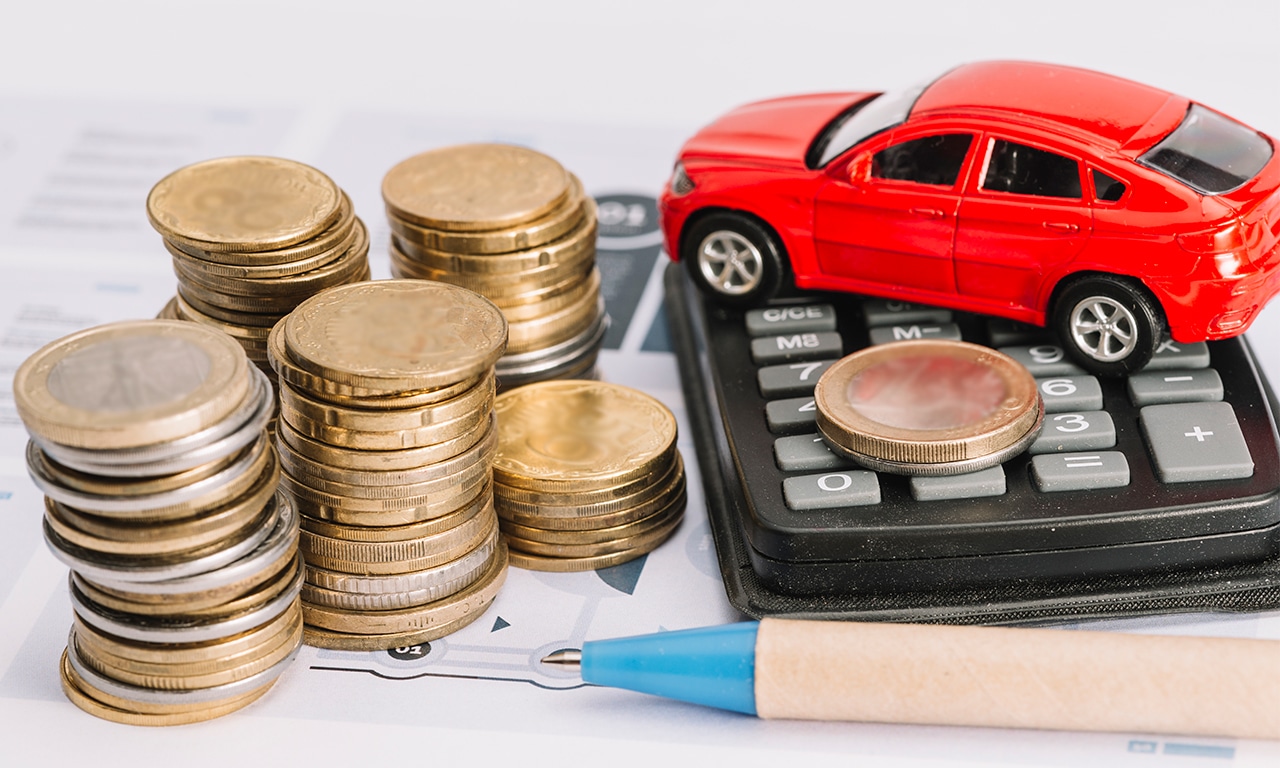
According to The Government, The Reduction of IPI on Cars Is An Attempt to Boost Sales, Which Fell 40% From December to January
According to the new Decree No. 10,979 from the Federal Government signed by President Jair Bolsonaro, since the first day of March, the Industrialized Products Tax (IPI) has been reduced by up to 25% on various items. Regarding cars, the benefit for the sector was 18.5%, however, the difference will not have significant effects on consumers’ pockets.
Read Also:
- Electric cars raise doubts about battery explosion risks. Tesla is involved in fire cases;
- The Government of Rio Grande do Norte presents a proposal for the application of EIA-RIMA to wind farms over 150 MW;
- Ricardo Mussa, CEO of Raízen, says that the reduction of taxes on fuels would help the company.
The decrease in the Industrialized Products Tax on new cars varies according to the size and power of the engine, as shown in the Federal Government’s table known as the Tax Incidence Table on Industrialized Products (TIPI). For this reason, the TIPI number indicated in the table’s code shows the tax rate for each model.
Reduction of Tax on Cars with 1.0 Engine
For cars that have a 1.0 engine, the tax was reduced by the Government from 7% to 5.7%. Thus, the total price of the 1.0 car fell by 1.3% compared to the previous price. On the other hand, manufacturers end up making adjustments that, unfortunately, compromise the visibility of this difference within dealerships.
-
Coal mine purchased for $2 million in Wyoming, the Brook Mine holds rare earth elements and critical minerals estimated at up to $37 billion, in an asset that the US is competing for with China.

-
In the year Brazil won the World Cup, gasoline cost R$ 1.77, the cheapest car was worth R$ 13,000, there were no flex-fuel cars, SUVs were rare, and no Chinese brand sold a single vehicle in the country.
-
New Honda HooRide 125 scooter debuts in China with ADV styling, 17-inch wheels, TFT panel, Smart Key, and fuel consumption of up to 47.17 km/l, aiming to resemble an urban X-ADV with a 125 engine, CVT transmission, and an economical proposal for cities.

-
Volkswagen focuses on ethanol and tests a Saveiro 100% alcohol-powered with a recalibrated engine; the project may ensure tax reduction, targets corporate fleets, and revives technology that lost ground since the arrival of flex-fuel vehicles in 2003.


For a better understanding, check out the schematic explanation made by André Schaun in the original article for the Autoesporte website:
Old IPI: 7% = 0.07
Reduction of IPI: 0.07 – 18.5% = 0.01295 = approximately 1.3%
Current IPI: 7% – 1.3% = 5.7%
Total Price Reduction: 1.3%
In addition to engine size, there are also other elements to be analyzed for the tax reduction, such as the total weight of the car in running order and the energy efficiency in megajoules per kilometer (MJ/km). Thus, the percentage to be reduced may vary even for the same engine model. See in the following table, provided by the Federal Government, the expected results for the average of each division:
IPI Reduction 2022
| Engine Type | Current IPI Rate | Previous IPI Rate | Reduction |
| Displacement up to 1,000 cm3 | 5.7% | 7% | 1.3% |
| Displacement 1,000 cm3 to 2,000 cm3 (flex) | 8.9% | 11% | 1.8% |
| Displacement 1,000 cm3 to 2,000 cm3 (gasoline) | 10.6% | 13% | 2.4% |
| Above 2,000 cm3 (flex) | 14.7% | 18% | 3.3% |
| Above 2,000 cm3 (gasoline) | 20.4% | 25% | 4.6% |
According to the Special Secretariat of the Federal Revenue, this new measure will result in an impact of R$ 19.6 billion this year. The proportional reduction of tax rates enables productivity growth, a lower inter-sectoral tax gap, and greater efficiency in resource use. This small decrease in tax on car prices is an effort to boost sales, which are in constant decline in Brazil.
With this in mind, in January of this year only 116,601 cars were sold, while in the same month last year, the number was 162,531, a difference equivalent to 28.2%. The volume of cars registered in the first month of 2022 compared to December 2021 represents a reduction of about 40%.
Electric Car Sales Hit Historic Record, With Significant Progress from Tesla
The market for electric cars has shown constant growth, and in 2021, it had the best performance in history, with a highlight on the Tesla brand in global sales. Based on research from the International Energy Agency (IEA), Felipe Ribeiro reports, in an article for Canaltech that the presence of zero-emission vehicles was 8.57%, more than double the sales recorded in 2020, which was 4.11%. To read this news in full, click here.


Be the first to react!