






 Portuguese
  Spanish


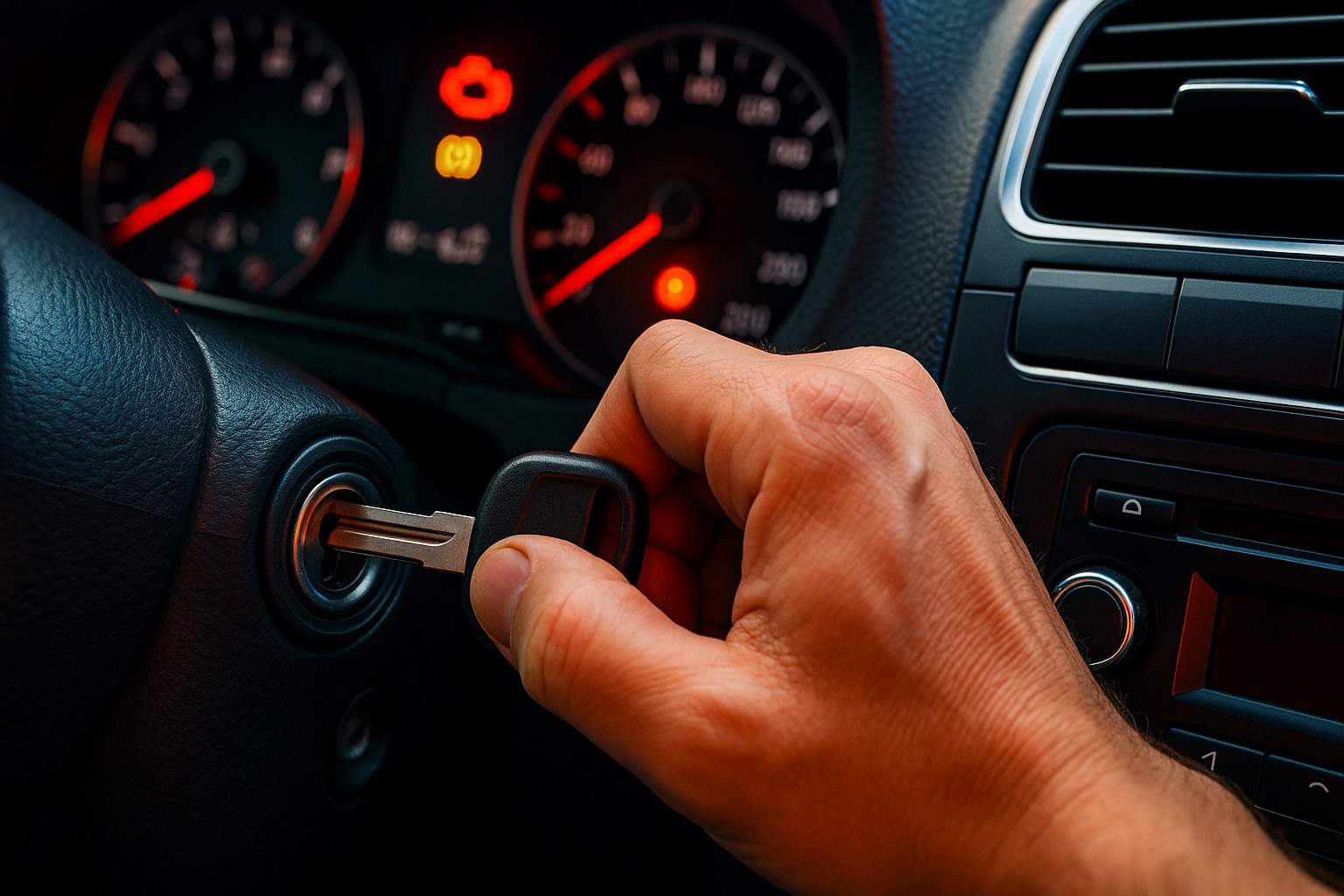


Turning the Key and Driving Away Immediately Seems Harmless, But It Can Damage the Ignition System, Compromise the Battery, and Generate Expensive Warnings on the Dashboard
An automatic gesture, common to thousands of drivers, can be costly over time: turning the key in the ignition and driving away immediately. This seemingly harmless practice harms both the battery and the vehicle’s ignition system, warns the Automotive Tips channel, which teaches good practices to extend the lifespan of the engine.
The mistake happens because, by not waiting a few seconds before starting, the driver prevents the fuel system from being properly pressurized. This causes the ignition to demand more from the battery and take longer to start, reducing its durability and potentially causing failures over time.
Recommendation
The recommendation is simple: insert the key, turn it to the point where the dashboard lights up, and listen for the sound of the fuel pump working.
-
Sales of Brazil’s Cheapest Electric Car Halted Before First Deliveries: E-Motors Suspends Emova Easy Due to Import Tax Increase and Rising Freight Costs

-
Nissan Discontinues Qashqai SUV Amid Cost-Cutting, Chinese Competition, and Product Line Review

-
BYD Patents Revolutionary System Using Computer Vision to Detect Animals Under Cars Before Starting, Preventing Tragedies

-
Study Reveals Why Cars Are More Expensive to Produce and Buy in Brazil Compared to Mexico, Highlighting Taxes, Logistics, and Industrial Costs as Key Factors.




This brief interval allows the fuel to flow through the entire line and be ready for immediate combustion, making the start smoother and more efficient.
Another important tip is to observe the dashboard lights. Before starting the engine, all of them should light up and then turn off. If any remain on, the car is indicating some kind of anomaly, such as oil problems, temperature issues, or blown bulbs. Ignoring these signs can result in mechanical damage and even fines, depending on the type of failure.
Additionally, the driver should take advantage of the engine warming time to adjust properly to the vehicle. Adjusting the seat, mirrors, and fastening the seatbelt while the engine lubricates its internal parts is a smart way to take care of the car and ensure greater longevity for the mechanical set.
The video ends with a straightforward piece of advice: small actions at the start make a big difference in the vehicle’s durability. Taking care of these details means saving money and avoiding headaches in the future.


