






 Portuguese
  Spanish


The government of Japan is preparing a new phase of nuclear energy revival, with the replacement of old reactors and the expansion of the role of atomic plants in the electrical grid, in light of the expected increase in energy consumption by data centers, artificial intelligence, and industrial activities.
The proposal from the Ministry of Economy, Trade, and Industry plans to rebuild two to five reactors by the 2040s and increase this number to up to 14 units by the 2050s, according to information released by NHK and reported by Reuters.
The measure represents a shift in Japanese energy policy, which spent more than a decade with restrictions on the nuclear sector after the Fukushima disaster in 2011, when all 54 reactors then in operation were shut down.
-
Twin Earthquakes of Magnitude 7.2 and 7.5 Strike Venezuela, Leaving Over 1,400 Dead and Affecting Millions, Potential Losses Estimated at $6.7 Billion

-
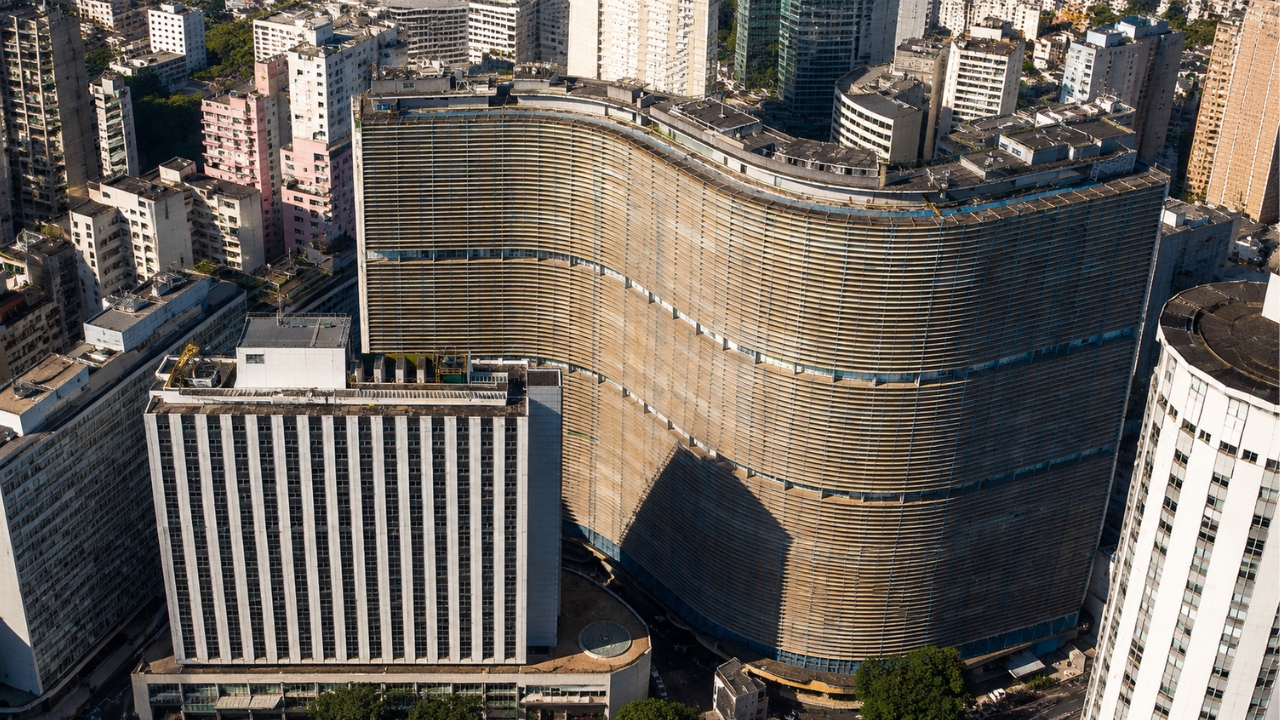
Latin America’s Largest Residential Complex Located in São Paulo Boasts 1,160 Apartments, 72 Shops, 22 Elevators, and 104 Staff Members

-
Rare 1747 Lutheran Bible from Germany, Preserved in Southern Brazil, Showcases Unique Engravings and Handcrafted Techniques
-
Before Japan Became a Football Powerhouse, Zico Transformed the Amateur League, Boosted the J.League, and Was Honored with a Statue at Kashima Antlers



Japan seeks to reduce energy import costs
The nuclear revival occurs amid the government’s concern with supply security and the burden of fossil fuel imports, especially natural gas, oil, and coal, which still account for a significant part of Japanese electricity generation.
Without large domestic fossil fuel reserves, the country relies on external purchases to supply a significant part of its energy matrix, a condition that exposes companies and consumers to price fluctuations and risks linked to the international market.
The energy plan approved by the Japanese government in February 2025 projects that nuclear energy will account for about 20% of electricity generation in the fiscal year 2040, within a matrix that also foresees the advancement of renewable sources.
In the fiscal year 2024, nuclear participation was around 9% of the electricity generated in the country, according to data cited by the United States Energy Information Administration, a percentage still far from the target set for 2040.
Old reactors pressure the energy strategy
After Fukushima, Japan tightened safety rules and created a more rigorous process to authorize the return of plants, which prolonged the reactivation of units and increased the need for technical and regulatory evaluations.
Among the 33 reactors considered operable, 15 have already been restarted since the general shutdown ordered after the 2011 accident, while other units remain halted or depend on authorizations to resume electricity production.
Some of the Japanese reactors are approaching the end of their regulatory lifespan, estimated at up to 60 years, a scenario that could reduce the available nuclear capacity even if new restart authorizations are granted in the coming years.
With more defined replacement targets, the Ministry of Economy, Trade and Industry seeks to enhance predictability for electric companies, which need to plan long-term investments in a high-cost sector with strong regulatory demands.
Artificial intelligence increases pressure on the grid
The expansion of data centers focused on artificial intelligence has entered the Japanese energy debate because these structures require continuous supply, large electrical capacity, and operational stability, especially during periods of high network demand.
Japan’s 7th Strategic Energy Plan points to the growth of data centers, the electrification of the economy, and the advancement of digital sectors as factors associated with the projected increase in electricity consumption by 2040.
According to official projections, Japanese electricity generation could reach something between 1.1 trillion and 1.2 trillion kWh in the fiscal year 2040, in a scenario of greater industrial and technological demand.
In this energy framework, the government classifies nuclear energy as a source capable of providing large-scale electricity with low direct carbon emissions, while also planning to expand renewables and reduce thermal generation.
Nuclear goal coexists with public resistance
The reactor reconstruction policy occurs in a sector still marked by social and political questioning, especially because of the Fukushima disaster and debates about nuclear safety in areas subject to natural risks.
Besides the memory of the accident, authorities and companies need to meet regulatory requirements, seismic risk assessments, negotiations with local governments, and costs of modernizing or replacing facilities built decades ago.
Tokyo’s recent guidance aims to maximize the use of reactors deemed safe by the competent authorities, in contrast to the previous directive, which indicated a reduction in nuclear dependence in the medium and long term.
The strategy also includes strengthening renewables, whose projected share for 2040 is between 40% and 50% of the energy matrix, while thermal generation is expected to fall to a range between 30% and 40%.
Nuclear reconstruction depends on formal approval
The proposal for the reconstruction of reactors was prepared for discussion at a meeting on nuclear policy and is expected to undergo formal adoption at a ministerial meeting, according to NHK, cited by Reuters.
According to the disclosed numbers, the additional capacity associated with the replacement of old units could reach about 16 gigawatts by the 2050s, if the guideline progresses to approved and executed projects.
Rebuilding reactors involves replacing facilities nearing their operational limit with newer units, a process different from the reactivation of existing plants and subject to regulatory steps, licensing, site definition, and financial planning.
In practice, Japan’s energy policy encompasses three fronts: expanding supply for a more digitalized economy, reducing dependence on imported fuels, and restoring part of nuclear generation under current safety rules.
The final decision on each project will still depend on regulatory approvals, technical evaluation, the position of local communities, and the ability of energy companies to finance works that usually extend over several years.


