Portuguese
  Spanish


In Kamikatsu, Japan, a zero waste center opened in May 2020 shows how old windows and reused materials can become sustainable construction, environmental education, and an urban symbol in a small town
A Japanese town with only 1,300 residents built a public building with donated windows, created a zero waste center in the shape of a question mark, and turned waste disposal into a postcard.
The information was released by Kamikatsu Zero Waste Center WHY, the official page of the Japanese waste center. The space opened in May 2020 in Kamikatsu, a small mountainous town in Japan, and was built with fittings and discarded materials donated by residents.
The building is not a curious house made of trash. It is a public waste management center, created to separate materials, encourage reuse, and show visitors why so much is still thrown away unnecessarily.
-
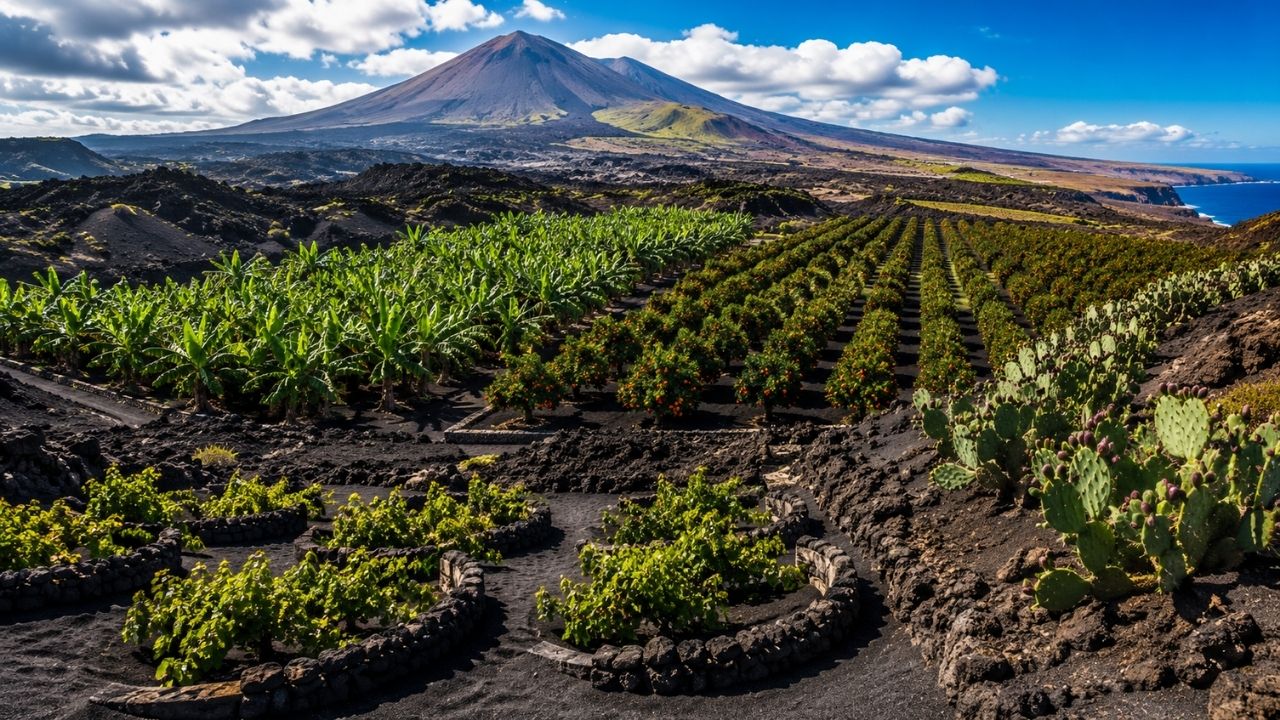
Volcanic Soils from Destructive Eruptions Turn into Million-Dollar Crops: Ashes Nourish Grapes in Lanzarote, Bananas in the Canary Islands, Blood Oranges on Mount Etna, and Cacti in Mexico, Showcasing How Lava-Formed Lands Sustain Rare Harvests in Seemingly Barren Regions

-
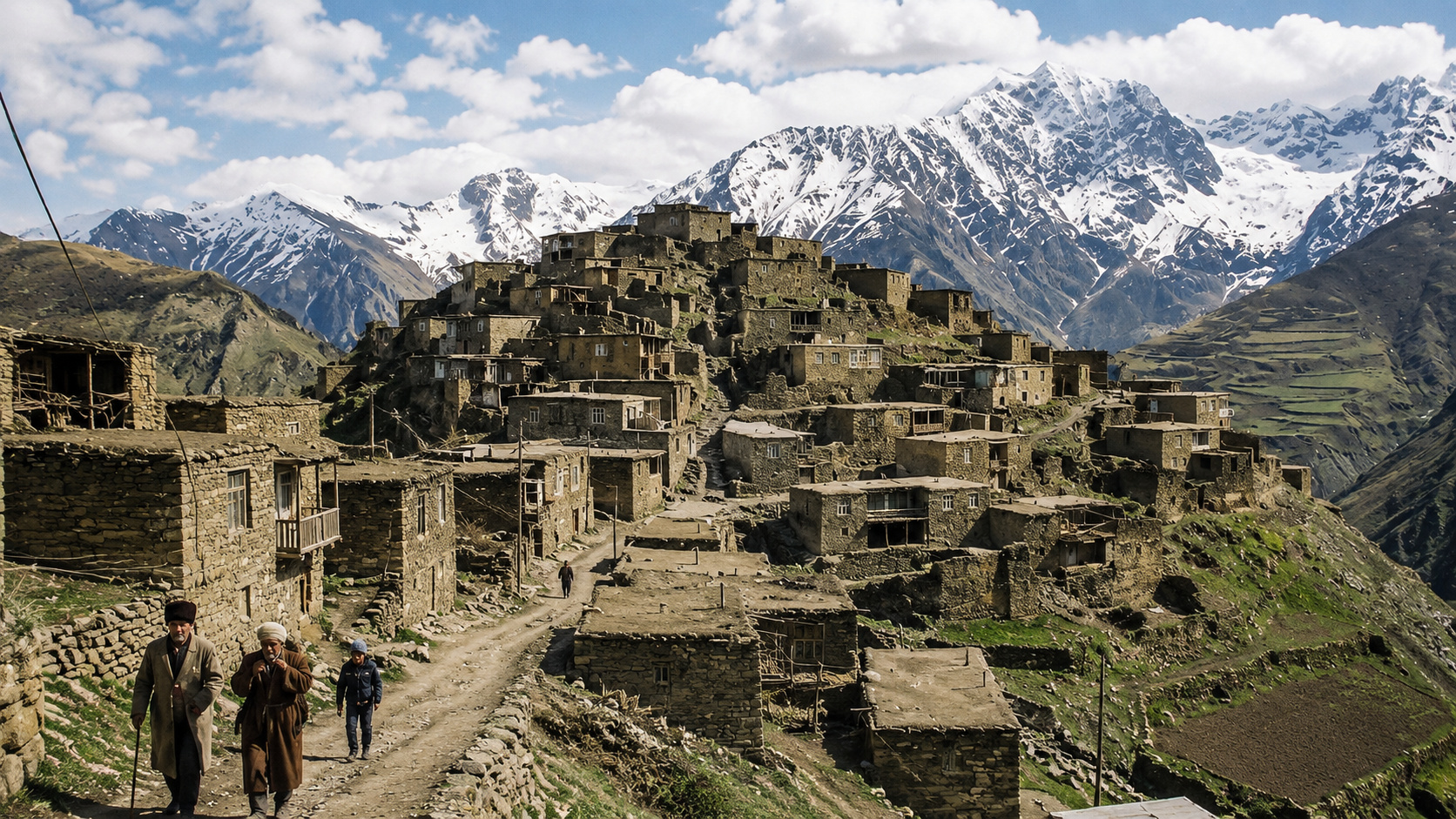
In the Caucasus Mountains, a Community Preserves a Language So Rare Few Outsiders Can Understand It

-
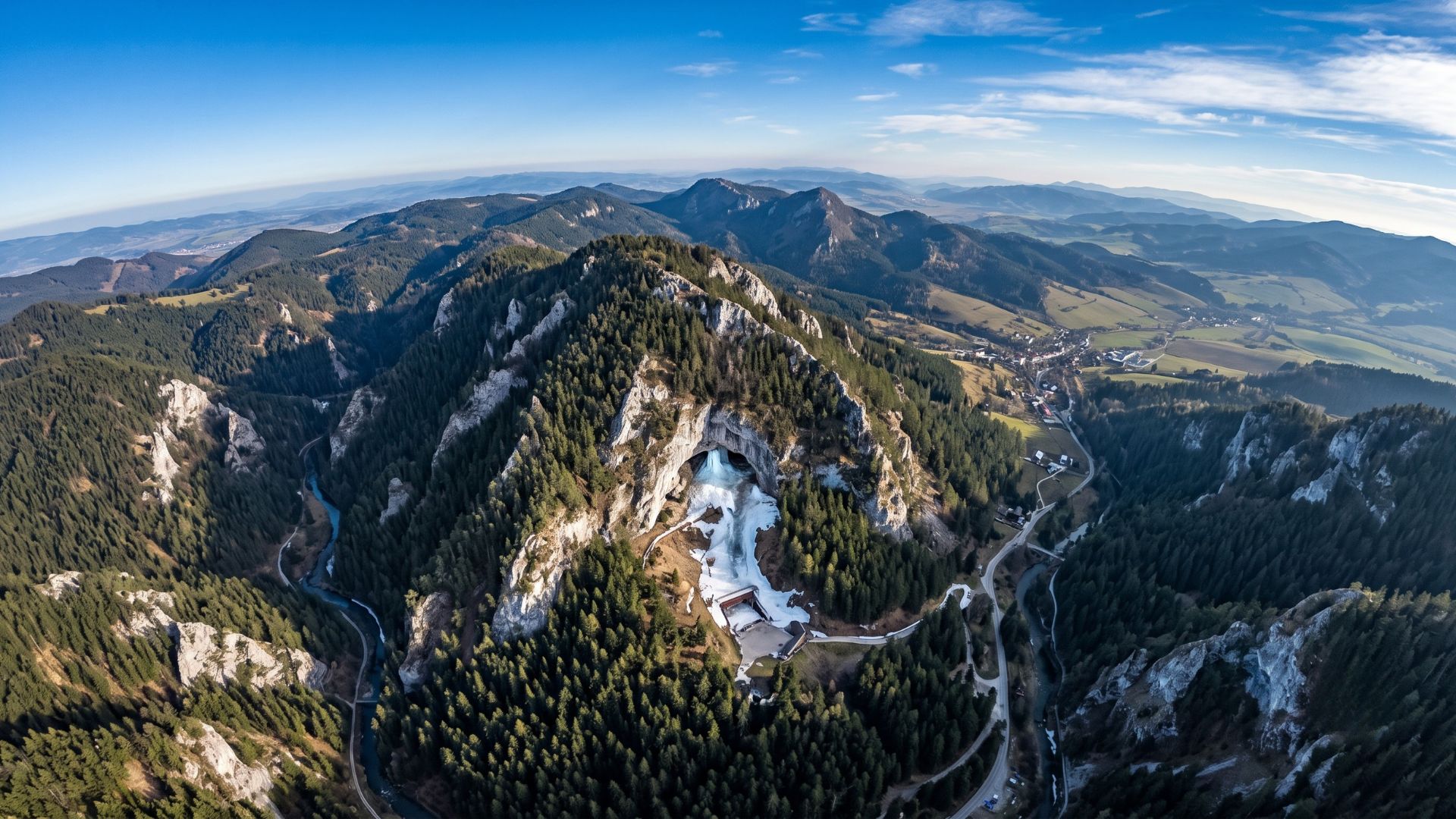
Slovakia’s Ice Cave Holds Over 110,000 m³ of Frozen Wonders, Boasts Walls Up to 27 Meters Thick, and Was Among the First Electrified Caves Globally

-
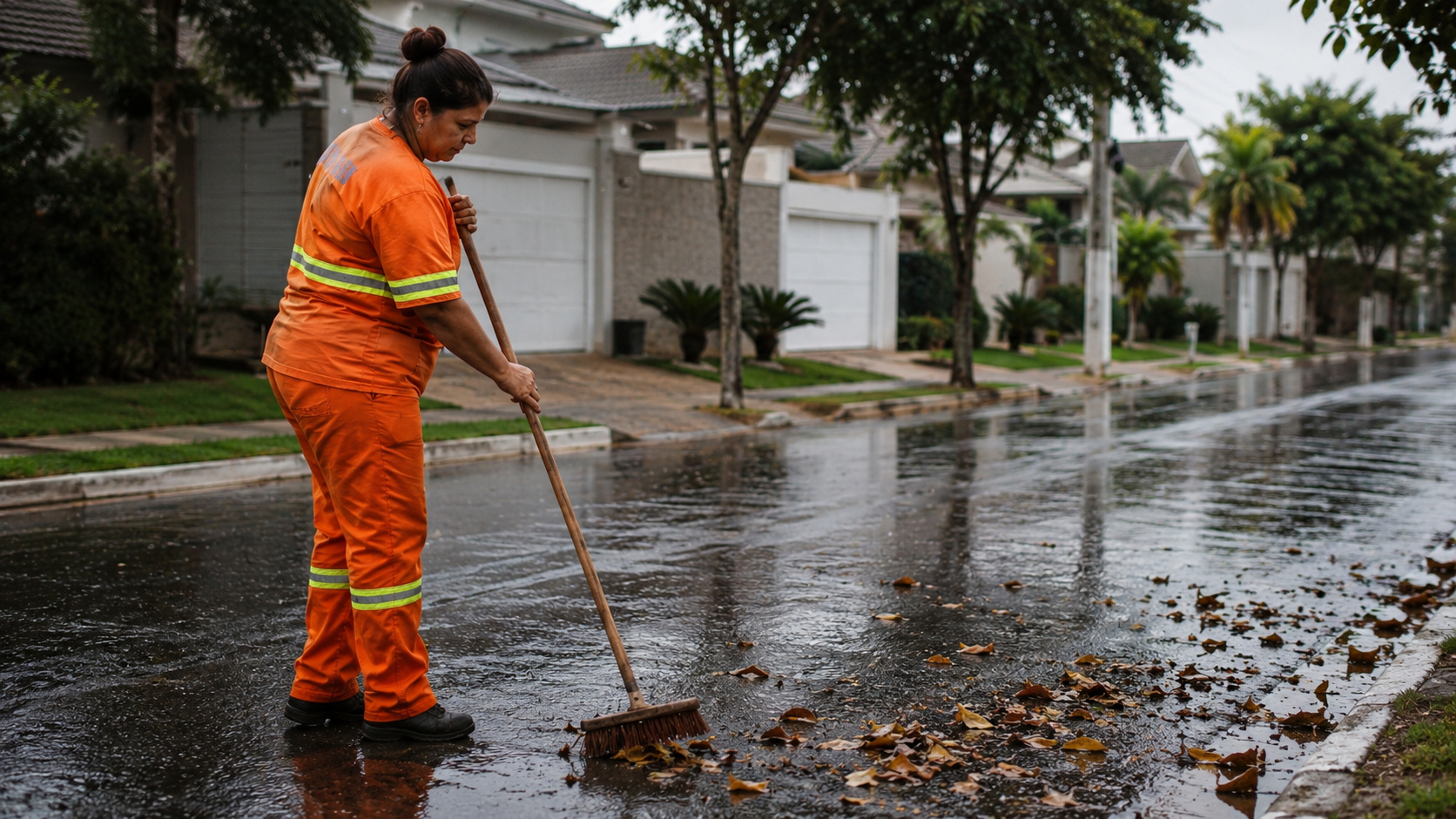
Street Cleaner Accidentally Receives $200,000 Transfer, Returns Unexpected Fortune to Rightful Owner
The small Japanese town that turned waste into a public issue
Kamikatsu is located in a mountainous region of Japan and is home to about 1,300 residents. Instead of treating waste only as something to be taken away, the town placed disposal at the center of urban life.
The center was named WHY, an English word meaning why. The name matches the building’s proposal, which uses its own architecture to provoke a simple question: why do we throw so much away.
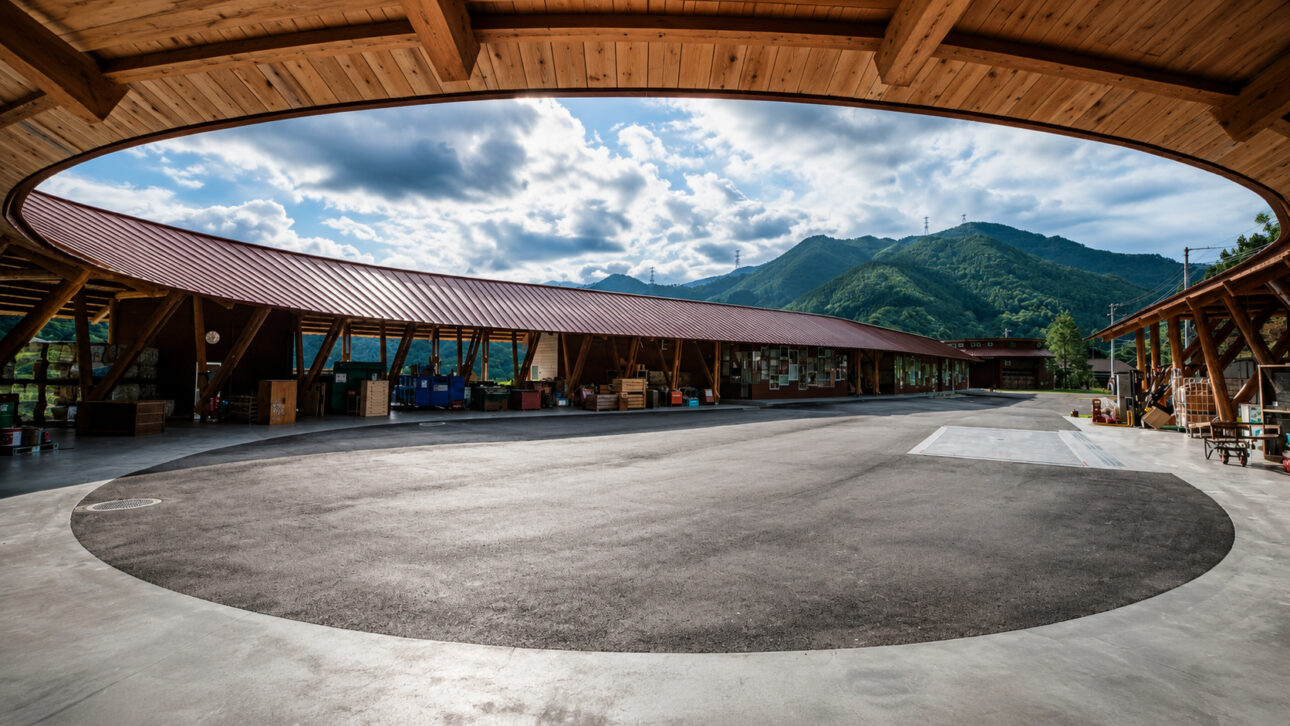
Seen from above, the complex is shaped like a question mark. This makes the construction easy to understand even for those unfamiliar with architecture, as the design already explains part of the environmental message.
Windows donated by residents became the most striking part of the construction
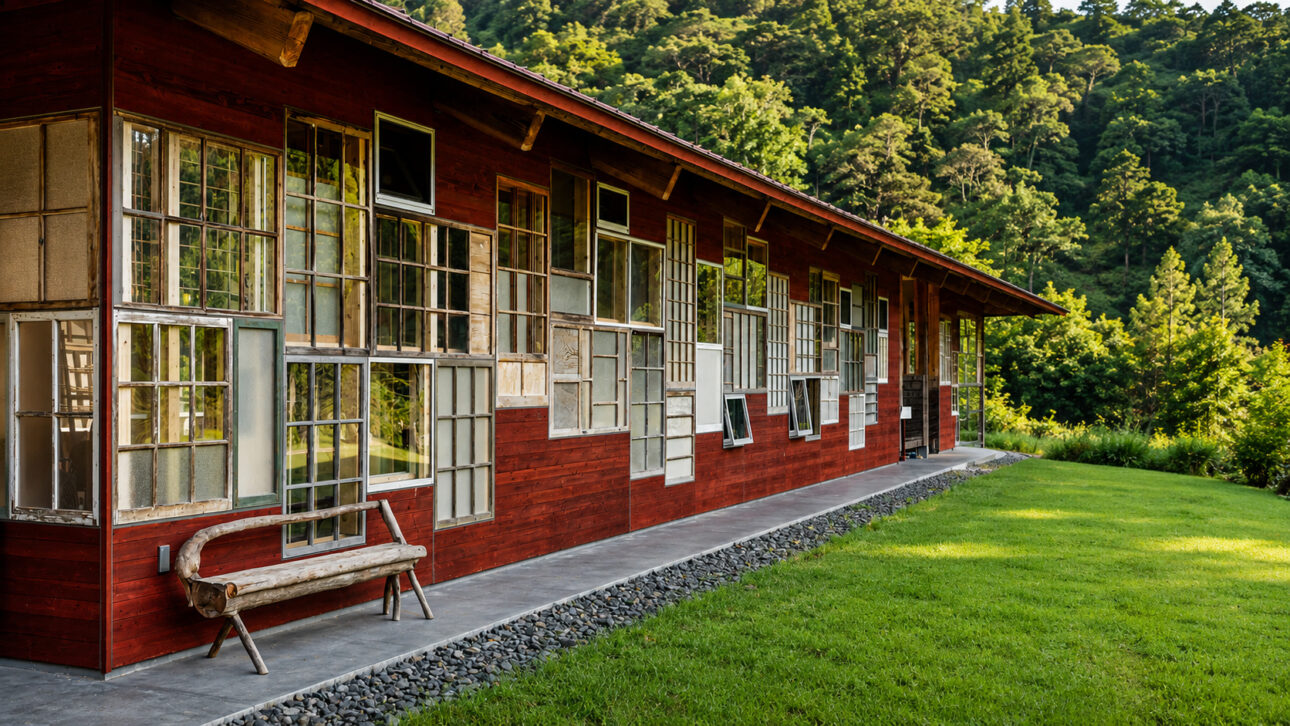
The facade is one of the strongest points of the zero waste center. It was made with windows donated by the residents themselves, assembled as a large mosaic of old pieces.
These windows ceased to be construction leftovers or household waste. In the building, they gained a new function and started to form a visually striking front, full of different sizes, shapes, and stories.
The result shows a simple idea: reusing is not just about separating waste. It can also mean using materials that are still useful in new constructions, reducing waste and giving new life to common pieces.
Zero waste center is not a home, it’s a public service with environmental education
The WHY Zero Waste Center functions as a public facility. This means it was not created as housing, but as a collective use space related to disposal, learning, and reuse.
At the site, residents bring household waste for separation. Visitors also find areas dedicated to socializing and environmental education, with explanations about consumption choices and material circulation.
Kamikatsu Zero Waste Center WHY, official page of the Japanese waste center, detailed that the complex was built with discarded materials and donations from residents. The same source records its opening in May 2020.
The question mark shape helps explain the building’s concept
The question mark shape is not a random detail. It reinforces the center’s proposal, which is to make residents and visitors think before discarding objects that may still be useful.
This choice transforms a public construction into a direct message. The question appears in the name, in the design seen from above, and in the function of the space, creating a connection between architecture, zero waste, and community life.
In many cities, windows, doors, furniture, and renovation leftovers end up discarded without a clear destination. In Kamikatsu, part of this material became a public facade and environmental symbol.
Reuse shows that sustainable construction can also start with common pieces
Sustainable construction often seems distant, expensive, or full of difficult technology. The case of Kamikatsu shows another path, simpler to understand: reusing existing materials.
Old windows, fittings, and leftovers donated by residents helped form a building with its own identity. The strength of the project lies precisely in transforming common objects into a visible part of a public structure.
The architectural project is linked to Hiroshi Nakamura & NAP Architectural Design Office, the firm responsible for the work. The solution gave the center a strong image without hiding its main function: dealing with waste and provoking reflection.
What Brazilian cities can observe in this Japanese model
The example of Kamikatsu does not mean that every city can copy the model in the same way. Each municipality has its own size, budget, culture, and collection system.
Even so, the Japanese experience leaves a clear lesson. When disposal becomes a public issue, the population better understands the value of reuse and starts to see waste as part of the urban routine, not as an invisible problem.
The facade of donated windows helps communicate this idea without complicated explanation. It shows that reused materials can gain value, especially when they enter public spaces related to education and the community.
The public building in Kamikatsu transformed disposal into image, question, and service. In a city of 1,300 residents, the zero-waste center showed that waste can become part of the architecture and local identity.
More than a curious facade, the project shows how community participation, waste separation, and sustainable construction can go hand in hand when the city decides to look at what it usually throws away.
Do you think Brazilian cities should transform construction leftovers and discarded materials into useful, beautiful, and educational public buildings? Share your opinion and spread this idea.