Portuguese
  Spanish


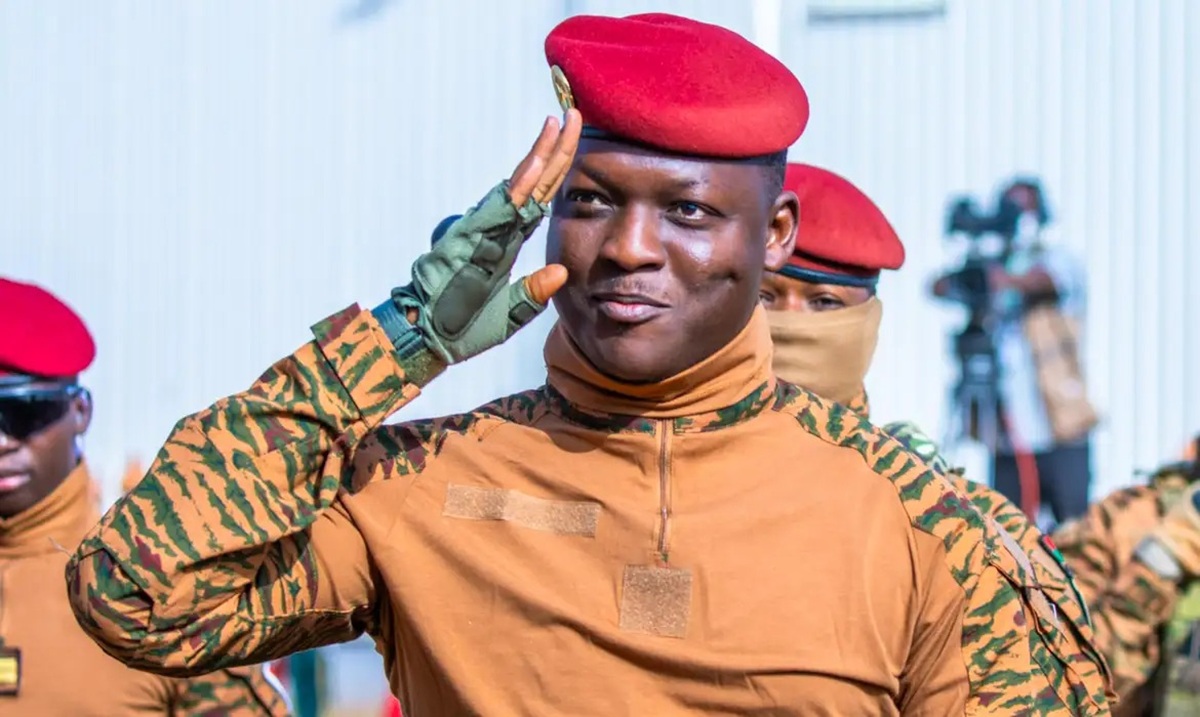

Decree Approved by the Council of Ministers Dissolves All Political Parties, Repeals Funding Rules and the Status of the Opposition Leader, Transfers Party Assets to the State and Deepens Institutional Control of the Military Junta in the Country After the September 2022 Coup
The military government of Burkina Faso approved, on Thursday, a decree that dissolves all political parties and party formations in the country, a measure that expands institutional control after the September 2022 coup and redefines the formal operation of the national political system.
The decision was made at a meeting of the Council of Ministers and determines the submission to the transitional council of a bill that repeals the statutes of the parties, the rules for party funding, and the status of the opposition leader. All assets of the dissolved organizations are to be transferred to the State.
Reinforcement of Political Control After the Coup
According to the minutes of the meeting, the dissolution is part of a series of measures adopted since the suspension of political activities following the military coup in September 2022.
-
U.S. Establishes Permanent Embassy in Jerusalem, Reigniting International Debate Over Israel’s Capital

-
The world has nearly 12,000 nuclear warheads, with the majority held by the United States and Russia; see the figures for China, France, and the United Kingdom.

-
Venezuela Faces UN Alert for Hunger, Disease, and Service Collapse After Earthquakes Cause Nearly 2,000 Deaths and $6.7 Billion in Damages

-
Brazil Deploys Navy Field Hospital with ICU, Orthopedics, Pediatrics to Earthquake-Stricken Area in Venezuela, Offering 30 Beds and 150 Daily Consultations


The initiative represents the latest step by the junta to centralize institutional decisions under military administration.
The Interior Minister, Emile Zerbo, stated that the measure is part of a broader effort to “rebuild the State,” after what he described as abuses and dysfunctions in the multiparty system. For the official, the multiplication of parties had deepened internal divisions.
Before the coup, the country had more than 100 registered political parties. Of these, 15 were represented in Parliament after the general elections held in 2020, making up the legislative structure then in force.
Institutional Impact and Activists’ Criticism
Since the military took power, activists have warned of restrictions on civic freedoms and the functioning of the opposition. The military leadership postponed elections intended to restore civilian government and dissolved the electoral commission, concentrating powers under the transitional authority.
These decisions consolidate a new institutional arrangement in the country, where political parties cease to operate formally, while electoral mechanisms remain suspended, redefining the Burkinabé political landscape under military management, even though measures described as temporary by the junta are in place.
This article was prepared based on information released by DW.