






 Portuguese
  Spanish


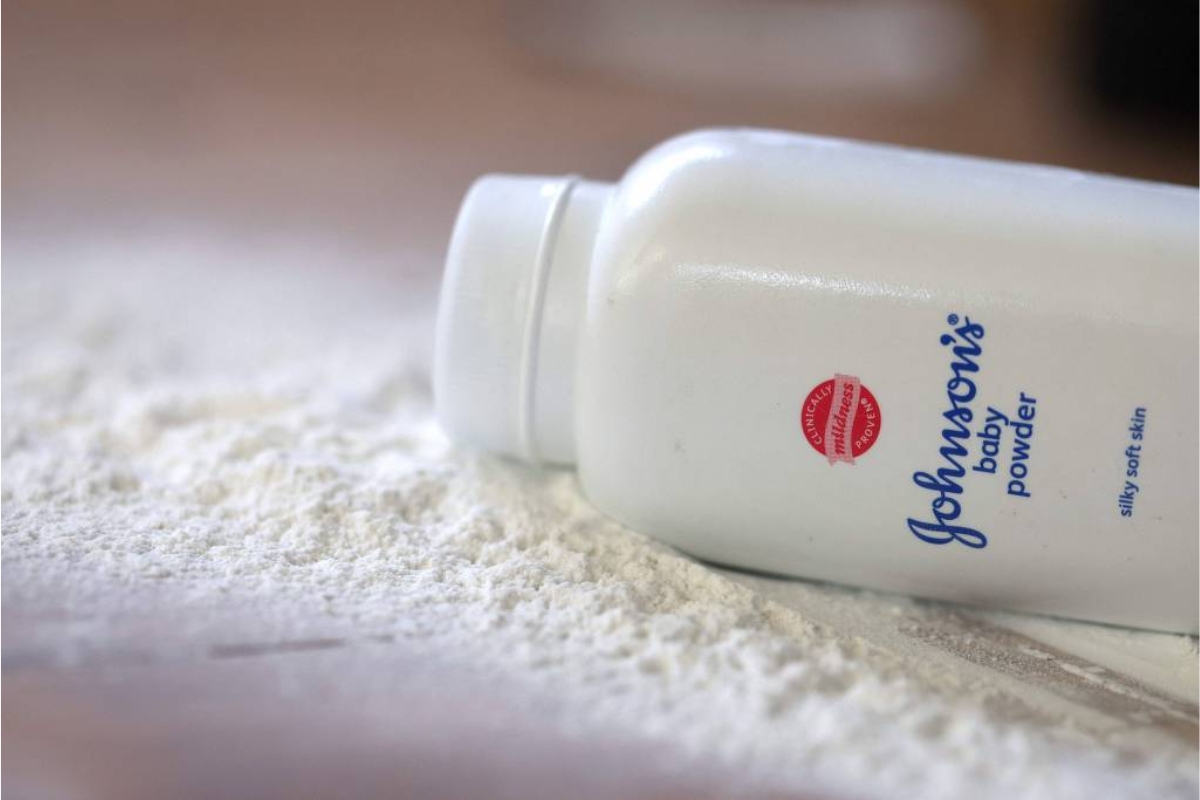


Baltimore Ruling Sets Damages of US$ 1.56 Billion Against Johnson and Johnson and Rekindles Legal Battle Over Talc, Asbestos, and Corporate Liability
Johnson and Johnson was ordered to pay US$ 1.6 billion to a woman from Maryland who linked the use of talcum powder to mesothelioma, a type of cancer associated with asbestos.
The verdict was reached in a state court in Baltimore on the night of Monday (22), after the jurors concluded that the company failed to warn the consumer about the alleged contamination of the product.
The company stated that it will appeal, emphasized that the talc does not cause the disease, and denied the presence of asbestos. The case is part of a scenario with more than 70,000 lawsuits and a new round of trials in the common courts.
-
Bruno Guimarães, 28, Misses Crucial Penalty Against Norway in World Cup After Replacing Vinicius Jr.

-
Inspired by a school lesson on Africa’s water crisis, a young boy raised money through chores to fund a well that transformed a Ugandan community.

-
Brazilian Construction Worker Moves to France, Earns Up to €2,500 Monthly with Home Renovations, Gains Social Media Attention

-
US Navy Sinks USS Oriskany with 230 kg of C-4, Creating World’s Largest Artificial Reef in 37 Minutes





What Happened and Why It Caught Attention
The jury found that Johnson and Johnson, two subsidiaries, and Kenvue were responsible for not warning Cherie Craft about the talc contamination with asbestos.
The damages were set at approximately US$ 1.56 billion, noted as the largest individual verdict of its kind in 15 years of legal battles involving talc.
The decision comes after a series of defeats in similar cases, amid the company’s failed attempt to use bankruptcy courts to force a settlement that involved more than 70,000 lawsuits.
Who Is the Victim and What Was the Central Allegation
The attorneys for Cherie Craft, now 54 years old, stated that she used mineral-based baby powders from the company for over 40 years.
The diagnosis was mesothelioma, a disease often associated with exposure to asbestos, a substance noted by researchers as linked to this type of cancer.
Talc and asbestos are similar minerals and can appear together in mining, which has made the discussion about contamination a central point in various trials.
How the Ruling Worked and What Amounts Were Set
The jurors awarded US$ 60 million for damages and losses suffered by the plaintiff.
In addition, punitive damages of US$ 1 billion were imposed against Johnson and Johnson and US$ 500 million against Pecos River Talc LLC, a subsidiary created in attempts to resort to the bankruptcy system.
The jury concluded that there was fraudulent misrepresentation or concealment of risks and the use of illegal means in marketing, the basis for applying punitive damages.
The Role of Kenvue and Who Is Footing the Bill
Executives from Johnson and Johnson stated that the parent company is responsible for covering the entire amount of the damages.
The justification presented was a commitment to indemnification that covers all liabilities related to talc involving Kenvue, a company that separated from Johnson and Johnson in 2023.
Kenvue representatives did not immediately respond to a request for comment sent by email after business hours.
What Could Happen Going Forward
Johnson and Johnson indicated that it will immediately appeal and characterized the verdict as outrageous and clearly unconstitutional, citing serious errors from the lower court and alleging contamination of the process by improper statements and allegations.
On the plaintiff’s side, the defense stated that there was evidence of concealment for decades of contamination of the talc with asbestos, affecting regulators, doctors, and consumers.
Even with appeals, the ruling increases pressure on the company’s legal strategy and keeps the issue alive in the courts.
Why the Issue Remains High Profile and What Changed in the Product
The company has already spent more than US$ 3 billion in settlements to resolve asbestos-related lawsuits concerning baby talc but still faces more than 70,000 lawsuits related to mesothelioma and ovarian cancer.
Many lawsuits have been consolidated before a federal judge in New Jersey during the pre-discovery phase.
In 2022, Johnson and Johnson removed the mineral-based talc from the global market and replaced it with a corn starch version.





