






 Portuguese
  Spanish




Decision Recognizes Severity of Accident in Macaé, Imposes Compensation, and Ensures Stability for Injured Employee in High-Risk Activity
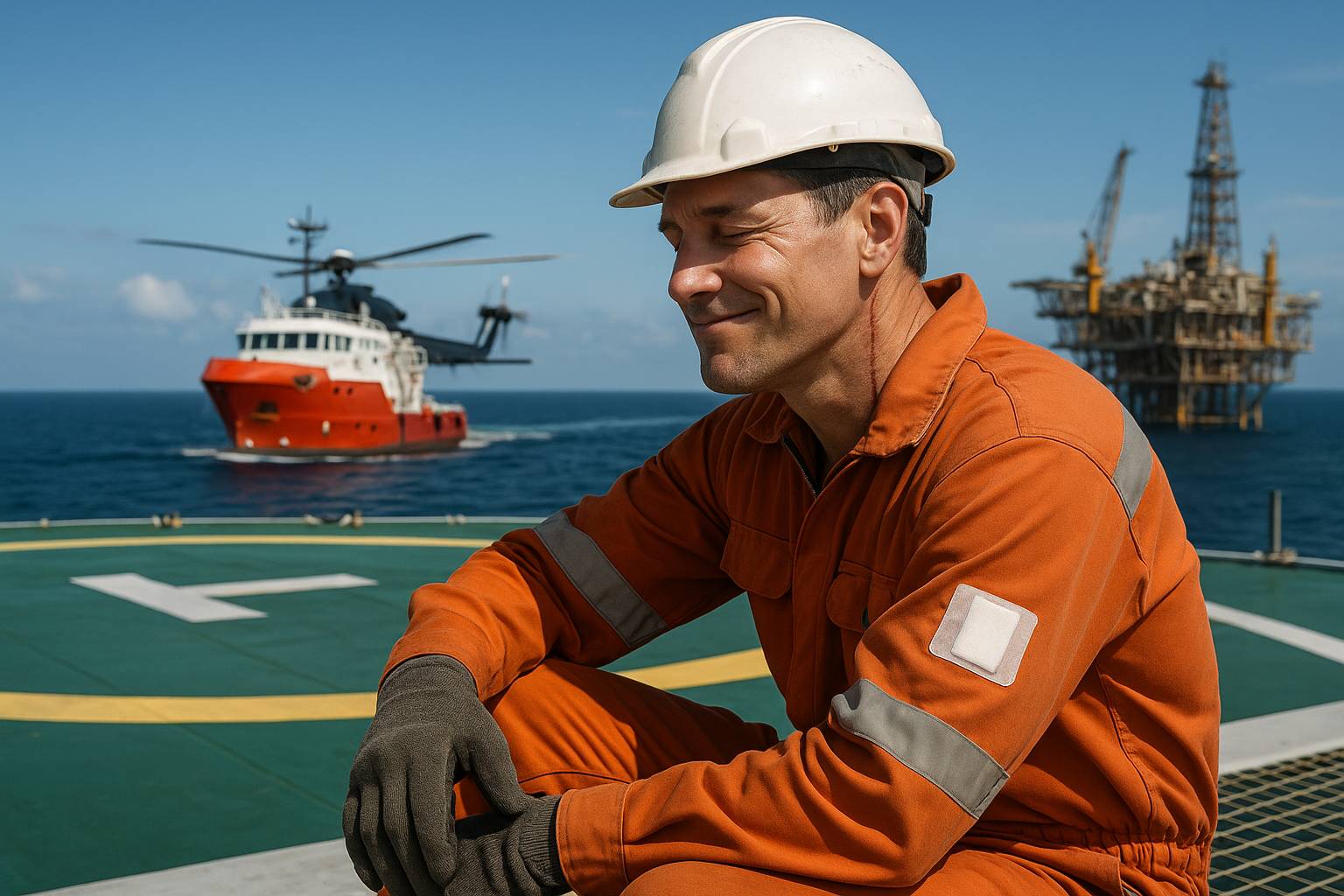
The Labor Court ordered Subsea7 do Brasil Serviços Ltda. to compensate and reinstate an offshore worker who suffered a serious accident during helicopter landing in Macaé. The case, analyzed by the 17th Region of the TRT, highlights the high risk of offshore operations and reinforces the rights of those working onboard. The information came from Caio Augusto, from Araújo Advogados Associados.
Serious Accident During Offshore Operation
The worker, an offshore warehouseman, was violently thrown by strong winds during disembarkation, colliding with a metal pin on the aircraft’s door. The impact resulted in a deep puncture and permanent spinal cord injuries, requiring multiple surgeries and the placement of rods and metal screws.
Due to the severity of the aftermath, the employee became partially and permanently unable to perform his original role. After treatment, he was rehabilitated by the INSS as a safety technician but had his stability violated with his dismissal without hiring a replacement — contrary to art. 93, §1º, of Law 8.213/91.
-
Dismissing a retired worker or one eligible for retirement constitutes ageism and creates a duty to compensate: a unanimous decision by the TRT mandates reinstatement to employment, payment of back wages, and upholds compensation of R$ 15,000 for discrimination.

-
Work less and produce more? Nobel Prize in Economics explains why shorter workdays can increase productivity

-
Unions are growing again in Brazil after more than a decade, but they face an urgent challenge to win back digital workers and maintain relevance.
-
From the typewriter to the home office: how work has changed and why new generations think differently



Compensation and Reinstatement: Rights Secured for the Worker
The TRT’s decision established a series of compensations and fundamental guarantees for the employee:
- Compensation of 30% of the monthly salary from the date of the accident until the average life expectancy of a Brazilian (75 years).
- Compensation for moral damages of R$ 40,000.00 due to partial and permanent loss of labor capacity.
- Immediate reinstatement to the company’s workforce, with restoration of salary and health plan.
- Recognition of objective responsibility of Subsea7, considering the high risk of onboard activities and offshore air transport.
High Risk of Offshore Work and Company Responsibility
The judgment emphasized that companies in the oil sector, such as Subsea7, must assume objective responsibility given the inherent risk of onboard operations and frequent air transportation. The ruling reinforces that the employer is obliged to ensure the safety of employees, especially in recognized dangerous activities.
Main Points of the Decision:
- Serious accident during helicopter disembarkation activity.
- Permanently injuries, multiple surgeries, and rehabilitation by the INSS.
- Stability of the rehabilitated person violated by the company.
- Objective responsibility recognized: duty to compensate.
Impact on the Offshore Sector and Onboard Workers
The conviction of Subsea7 serves as a warning to all companies operating in the offshore segment: the Labor Court has strengthened the protection of those facing extreme risks daily. Employees who suffered accidents or were unjustly dismissed can claim stability, compensation, and reinstatement.
If you work onboard or have faced risky situations, know that there is legal support to ensure your rights, including in cases of accidents during air transport.
And you, do you think that companies in the offshore sector provide adequate safety for their employees? Have you experienced an accident or know someone who has gone through a similar situation? Share your experience in the comments and join the discussion!


É por essas e outras que o Brasil é um país atrasado.
O único erro da empresa foi demitir antes do fim da estabilidade.
O cara foi reintegrado para uma função a qual ele não está mais hábil a fazer devido as lesões, os salários desses pessoas são altos justamente por isso, o risco é grande e o salário também.
No mínimo 30% a mais pelo risco, o VENTO jogou ele contra a aeronave, não foi negligência ou erro humano.
Porque a empresa vai manter um funcionário que não está habilitado a realizar suas funções?
Ele tem que procurar outra vaga ou emprego em outra empresa que ele possa exercer.
Eu já passei por isso, não quiseram abrir a CAT, tive o ligamento rompido do ombro e fui mandado embora como um copo descartável, coloquei a empresa na justiça não para receber dinheiro, e sim retornar a minha atividade, tentei! mas a justiça como sempre a favor do elo mais forte, fiquei fora, frustrante.
Eu já passei por isso, não quiseram abrir a CAT, tive o ligamento rompido do ombro e fui mandado embora como um copo descartável, coloquei a empresa na justiça não para receber dinheiro, e sim retornar a minha atividade, tentei! mas a justiça como sempre a favor do elo mais forte, fiquei fora, frustrante.