Portuguese
  Spanish


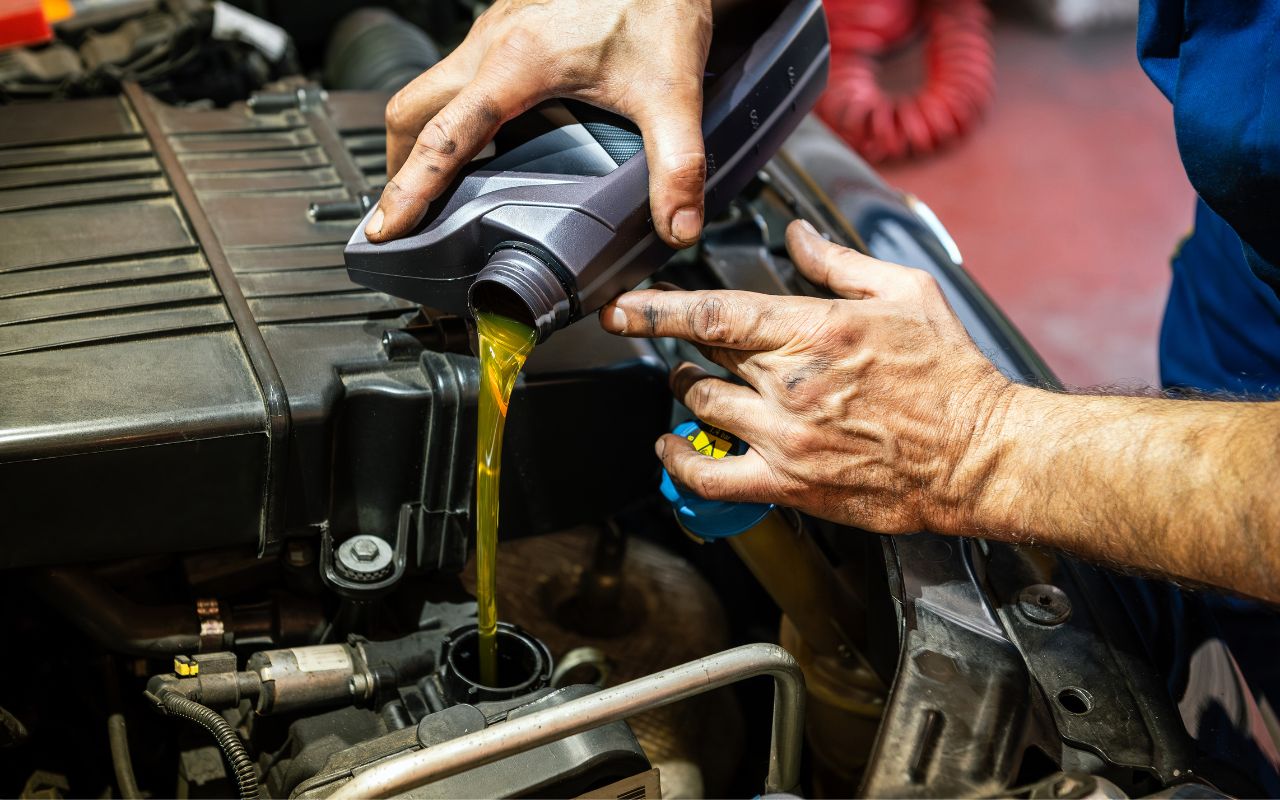

The car oil in Japanese fashion bets on early changes to reduce wear, improve performance and increase engine lifespan.
Keeping the engine in good condition for many years may depend on a simple decision: not waiting until the limit to change the oil of the car. This is the basis of the so-called Japanese fashion, a maintenance practice that prioritizes prevention.
Popular in Japan, the strategy consists of performing more frequent changes of the lubricant to prevent it from losing its properties.
According to information from Revista Oeste, the concept has been attracting attention for showing that early care can reduce mechanical failures and prolong the vehicle’s lifespan.
-
Kia K4 Launches in Portugal with 7-Year Warranty, Targets Volkswagen Golf with 1.0 Turbo Engine, Unavailable in Brazil

-
Uber Women Expands Across Brazil: Female Riders Can Now Choose Women Drivers, Schedule Rides, and Set Automatic Preferences

-
Brazil Plans to Launch Ethanol-Fueled Hybrid Cars in 2026 as an Alternative to Fully Electric Vehicles

-
Hyundai HB20S 2026 Surpasses Onix with Turbo Engine, Fuel Efficiency of 15.2 km/l, and Over 750 km Range, Leading Compact Sedan Sales in Brazil with 5,205 Units Sold.



Daily use influences the wear of car oil
Even before talking about intervals, it is important to understand how use affects the car oil. In urban routes, the engine continues to run even when the car is stopped.
Situations like traffic jams, traffic lights, and short trips cause the oil to heat up and circulate constantly.
This accelerates its degradation, even without a significant increase in mileage. Therefore, drivers who face this type of routine need to pay extra attention to maintenance.
In light of this scenario, Japanese fashion proposes a change in behavior. Instead of waiting for wear to advance, the oil change of the car is done before it loses efficiency.
This preventive approach keeps the engine always protected, reducing friction between the parts. As a result, the operation becomes smoother and more reliable. Thus, the lubricant acts more efficiently throughout the time.
Shorter intervals are highlighted in Japanese fashion
In Japan, it is common for the car oil change to occur around 5,000 kilometers. This shorter interval reflects a culture of constant care for the vehicle.
Although not everyone needs to follow this standard exactly, the logic behind the practice is clear. Preventing the oil from aging too much is essential to preserve the engine. Therefore, reducing the time between changes can be a safer strategy.
With the evolution of technology, engines have become more efficient, but also more sensitive. Models with turbo or hybrid systems require high-quality lubrication.

In these cases, the car oil needs to always be in good condition to avoid internal damage. Otherwise, the risk of residue buildup increases. Additionally, vehicles that operate under greater load tend to require more frequent maintenance.
Despite the Japanese reference, the ideal interval varies according to the type of use. For many vehicles, the range between 10,000 and 15,000 kilometers is still considered adequate.
However, severe conditions may require early changes. Intense heat, heavy traffic, and short trips are factors that accelerate wear. Thus, adapting maintenance to the vehicle’s reality is essential.
Early oil change reduces costs
One of the main benefits of Japanese fashion is long-term savings. By changing the car oil before advanced wear, the driver avoids bigger problems.
This reduces the need for expensive repairs and increases the vehicle’s reliability. Additionally, the engine tends to maintain its performance for a longer time. Thus, preventive maintenance proves to be a smart investment.
More than a specific interval, Japanese fashion represents a philosophy of constant care. The focus is on preventing problems before they arise.
In this context, car oil becomes a key element to ensure engine durability. Small changes in the maintenance routine can yield significant results.
Therefore, adopting this practice can be the differentiator for those seeking more safety, savings, and longevity in the vehicle.
Source: Revista Oeste